Australia Frozen Meat Processor: Accurate Costing for Whole-Chicken Cutting
How a Melbourne frozen-meat processor used ERP barcode, BOM disassembly and batch control to cut receiving time and cost every chicken part precisely.
Why Frozen Meat Processing Demands Precise Cost Control
Frozen meat processing sits at the intersection of tight expiry windows, tricky cost allocation, and hard-to-trace inventory. Businesses that buy whole animals and cut them into value-added parts face a special problem: a single purchase turns into many sellable SKUs, each with its own true cost. Without digital discipline, margins become a mystery and recalls or expiry events turn into emergencies.
Company Profile: A Melbourne Frozen-Meat Processor
This case looks at a frozen-meat processing company based in Melbourne, Australia. It specializes in meat and frozen products, buying whole dressed chickens, wings, legs, breast, pork, and beef from suppliers. Running an assemble-to-order model, it receives whole chickens as raw material and cuts them into parts based on each customer order, then packs, labels, and delivers the finished items.
- Located in Melbourne, serving local and export customers
- Buys whole dressed chickens, wings, legs, breast, pork, and beef
- Assemble-to-order: splits whole chickens per customer order
- Packs, labels, and delivers finished portions to buyers
Core Challenges Before Implementation
Slow, laggy purchase receiving
The business had no scan-to-receive capability, so purchase data could not sync to the system in real time. Warehouse staff keyed large volumes of receiving information by hand, which was slow and prone to error. With many batches and specifications of meat arriving, manual work pushed data lags that undermined production scheduling and inventory accuracy.
Whole-chicken cutting costs were a black box
Splitting a whole chicken into wings, legs, and breast for sale sounds simple, but the company lacked a systematic way to spread the original cost across the parts. Finance recalculated weight ratios and allocations by hand after every cut, a heavy and error-prone task. Without the real cost of each part, pricing and profit analysis had no solid ground to stand on.
Opaque stock put order fulfillment at risk
Inventory was not linked to the order system, so no one could see live stock and available quantities. Salespeople judged availability from memory, which led to overselling or piling up dead stock. On urgent orders they could not confirm availability quickly, hurting customer satisfaction and the order fulfillment rate.
How the System Solved It
The company deployed a platform whose batch management and assembly-disassembly features build one connected frozen-meat management system, from receiving through cutting to traceable delivery.
Barcode management speeds up receiving
The barcode feature automatically generates labels carrying the product code, batch number, production date, and weight, giving each item a unique identity for full traceability. PDA scan-to-receive reads the information on arrival and syncs it to the system instantly, slashing manual entry. The system also supports common formats such as EAN-13 and Code 128, so it fits different supplier and customer label requirements.
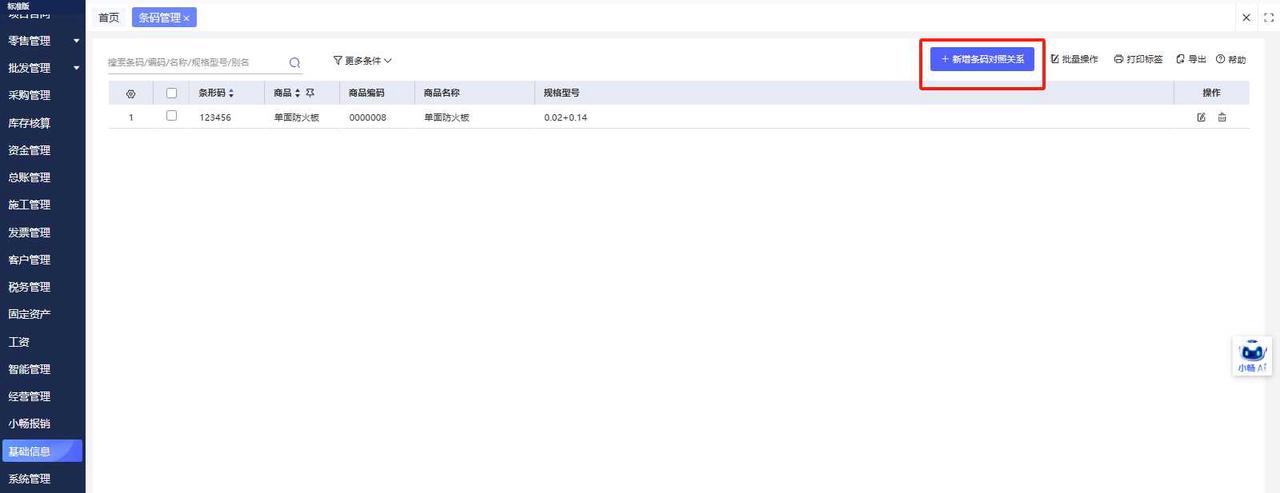
Assembly and disassembly for accurate costing
A bill of materials sets the standard cutting ratio for a whole chicken, defining the theoretical yield and cost split of each part. The disassembly order then breaks the dressed chicken into parts automatically, with the system allocating cost by BOM and still allowing manual adjustment of actual yield. Moving-average costing is enabled and calculated per batch, so the cost of every part stays correct.
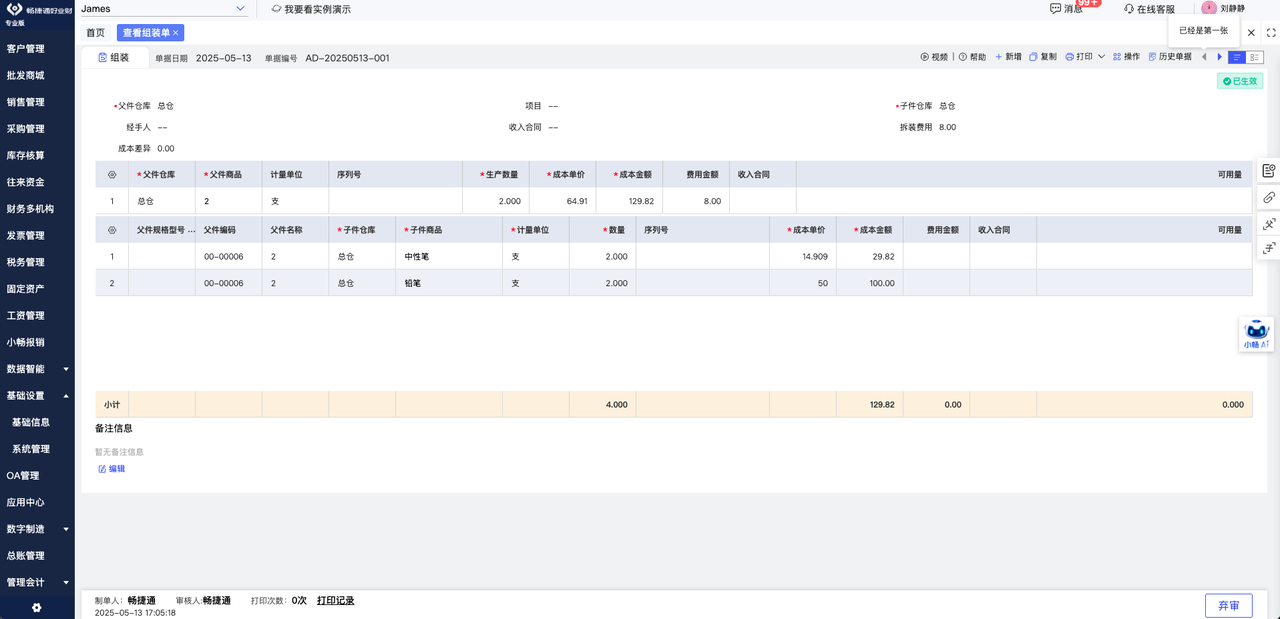
Batch control and full traceability
Batch and shelf-life management records every batch's inbound, outbound, and on-hand details, building a complete traceability chain. First-in-first-out outbound keeps near-expiry product moving first, lowering loss from spoilage. The batch ledger lets staff trace any batch's flow and status fast, which is vital for quality investigations and recall management.
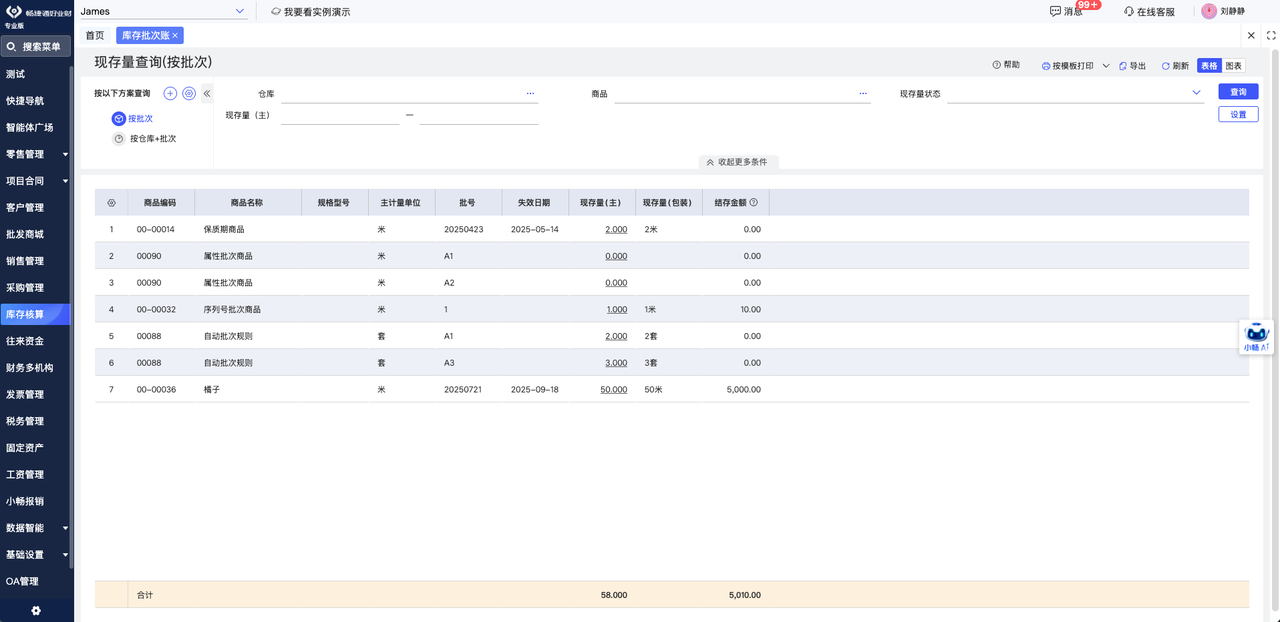
Localized setup for a cross-border team
Because the team works across China and Australia, the system supports Chinese and English interface switching so local staff operate without language friction. Users can change the interface language whenever needed, keeping the two-site team aligned and productive.
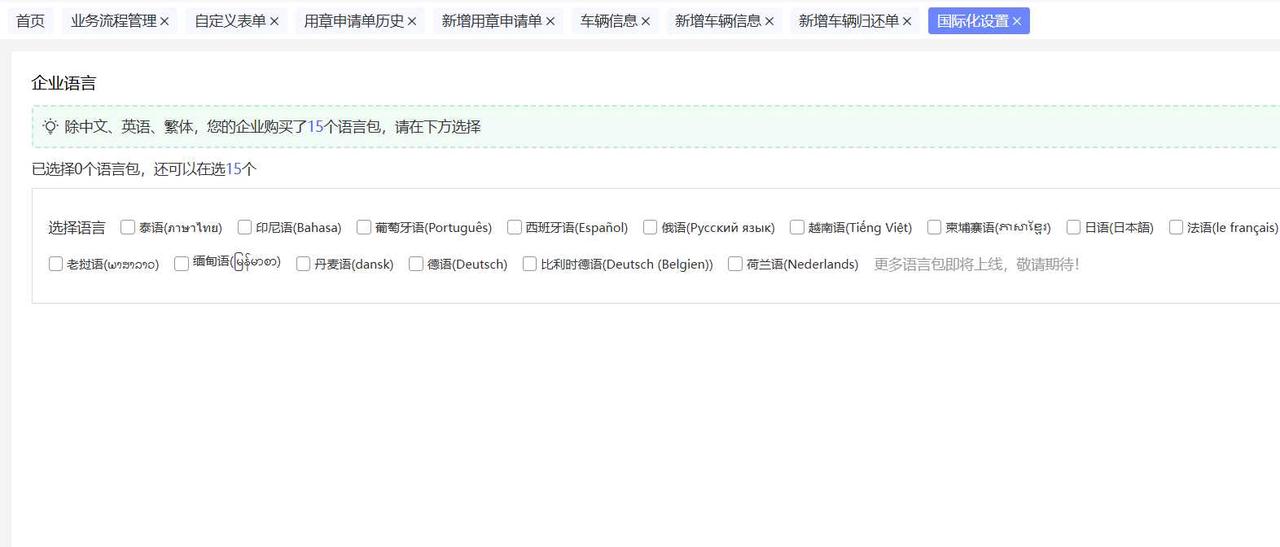
Measurable Results
Faster, cleaner receiving
Scan-to-receive with PDA devices syncs purchasing data in real time and removes most manual entry. Automatic barcode recognition prevents keying errors and lifts data accuracy, giving production scheduling and inventory control a trustworthy foundation.
Accurate costing, smarter pricing
Bills of materials and disassembly orders automate whole-chicken cost allocation and track each part's stock and cost precisely. The system spreads cost by ratio and removes manual calculation error, giving pricing and profit analysis a true basis and helping the business fine-tune its cost strategy.
Transparent stock, higher fulfillment
Linking purchasing, inventory, and sales gives live visibility of stock and available quantity. Sales can check inventory anytime, avoiding both overselling and stockouts, which raises the order fulfillment rate and customer satisfaction and sets the stage for deeper order-system integration.
Conclusion
Implementing the platform let the company move past rough cost estimates and blind inventory. It now runs on a precise, efficient, and transparent operating foundation that strengthens its competitiveness in the demanding frozen-meat market and supports sustainable growth.
Related reading
Solving Apparel Wholesale Pain Points with Online Selection and Smart Warehousing
An apparel wholesaler cut order-entry time, reduced churn, and tamed multi-warehouse picking with a cloud ERP. Online selection and attribute cataloging streamlined the flow.
Read guide →Customer Case StudyHow a Beijing IC Company Achieved Finance–Operations Integration for Precision Management
A Beijing integrated-circuit maker unified purchasing, outsourcing, kit sales, and accounting in one ERP, automating cost allocation and cutting month-end close effort.
Read guide →Customer Case StudyHow a Changchun Distributor Unified Wholesale and Retail on One ERP
A Changchun food distributor merged wholesale, retail, and field sales on one cloud ERP with an online mall. Coverage grew to seven districts and sales rose 10 percent.
Read guide →