How a Beijing IC Company Achieved Finance–Operations Integration for Precision Management
A Beijing integrated-circuit maker unified purchasing, outsourcing, kit sales, and accounting in one ERP, automating cost allocation and cutting month-end close effort.
Why IC Manufacturers Need Finance–Operations Integration
High-tech manufacturing of integrated circuits faces a tangled supply chain, hard-to-control outsourcing costs, and constant inventory-turnover pressure. When operations and finance run on separate systems, costs get estimated instead of measured and month-end becomes a fire drill. This case shows how a Beijing electronics company closed that gap with a unified, project-aware ERP.
Company Snapshot
The business is a Beijing technology company that develops and manufactures integrated circuits, circuit boards, and electronic device kits. Its model mixes purchasing, in-house assembly, outsourcing, and sales: some products are traded directly, while others are assembled internally or sent out for processing and then sold as a standard hardware-plus-software offering. That blend made consistent cost and inventory control essential.
Core Challenges Before the Upgrade
1. Outsourcing Costs Were Hard to Allocate Accurately
Certain materials were shipped to subcontractors for circuit-board processing and returned for software burning. Deciding how to assign the processing fee to semi-finished cost, and how to split material cost against that fee, was a persistent accounting headache. Manual methods produced allocation errors that then distorted product pricing and profit analysis.
2. Kit Sales Were Prone to Shipping Errors
Deals were quoted and signed as kits, but fulfillment required shipping each component line by line. Hand-managed dispatch frequently led to missing items, wrong items, or quantity mismatches, which hurt customer satisfaction and added complexity to inventory control.
3. Operations and Finance Were Disconnected
Procurement, sales, and inventory data sat apart from financial accounting, so staff typed vouchers by hand from paper and electronic documents. Month-end reconciliation was enormous, and with no system backing receivables and payables, cash risk could not be spotted or controlled in time.
The Solution Built on HaoYeCai
To address these pain points, the company adopted HaoYeCai (a project-finance ERP suite by Chanjet) and used its outsourcing management and finance-operations integration to stand up a standardized digital management system.
Outsourcing Virtual Warehouse Plus Automatic Cost Collection
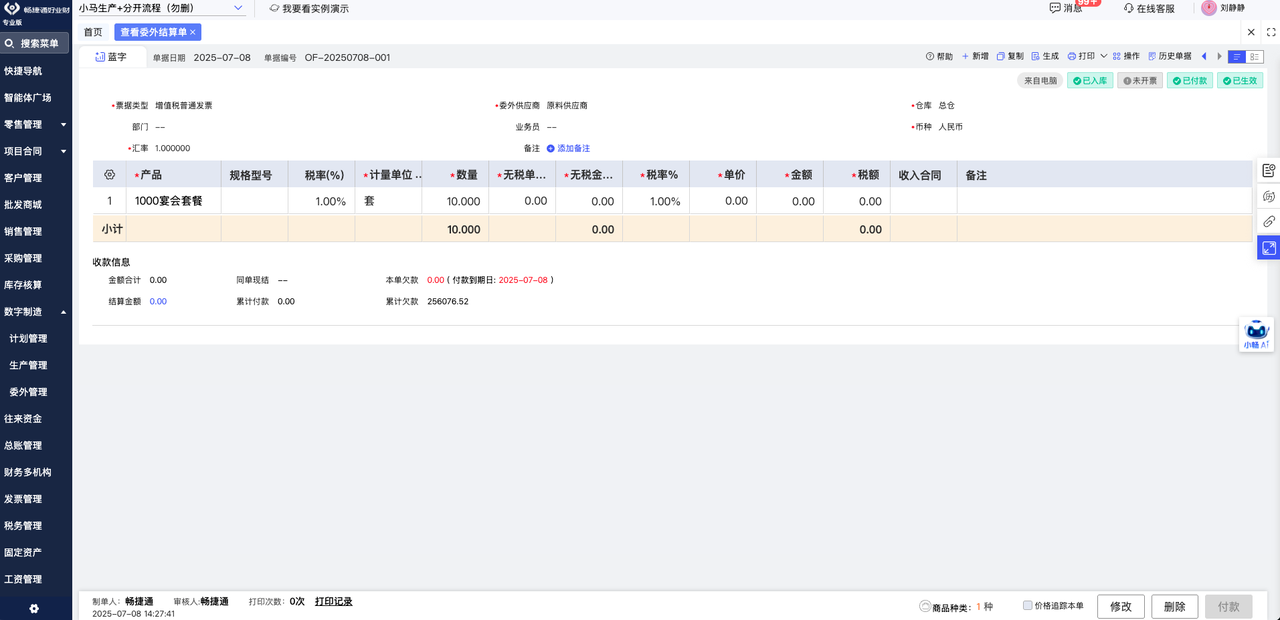
A transfer order moves materials into an outsourcing virtual warehouse, so the firm always knows what inventory sits at each subcontractor and avoids both pile-ups and shortages. An outsourcing settlement sheet is generated automatically from the outsourcing work order, recording processing fees and forming the basis for accounts payable with reliable, auditable data. During assembly, an assembly order automatically rolls the virtual-warehouse materials and processing fees into semi-finished cost using the moving-average method, keeping cost data accurate and traceable.
Purchase Requisitions and Inventory Alerts
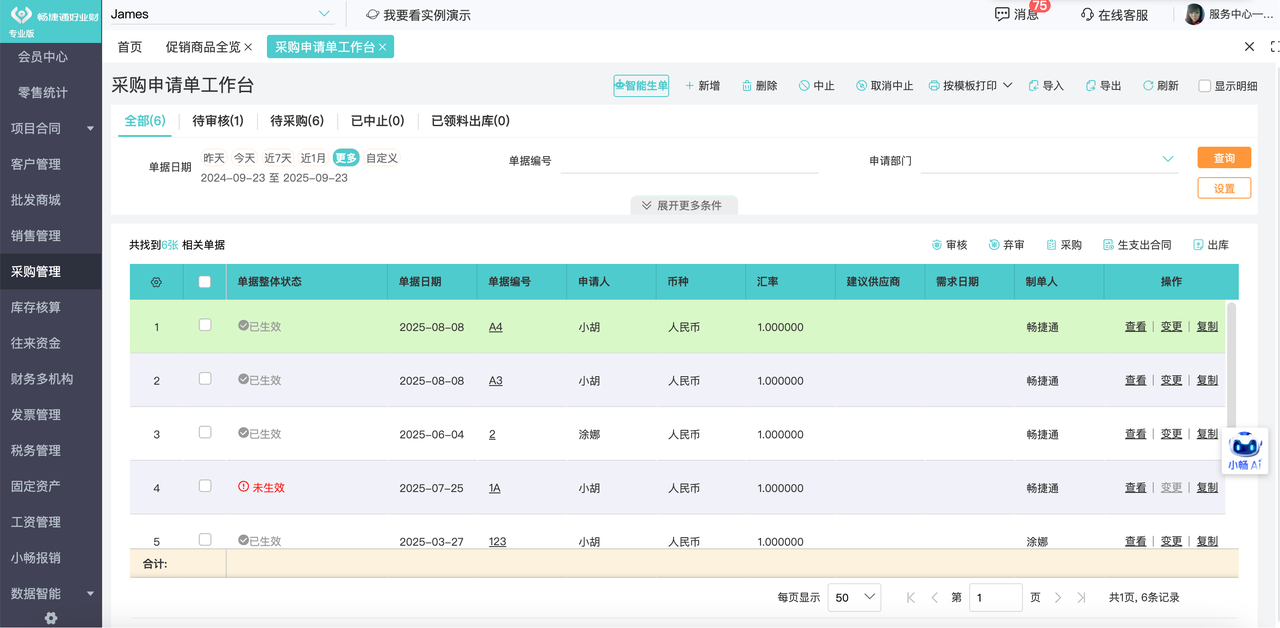
Departments raise needs through purchase requisitions that carry an approval flow, keeping buying orderly and, by linking to stock levels, preventing duplicate orders. Inventory alerts notify buyers automatically when stock drops below safety levels, so production never runs dry while the company avoids tying up cash in excess purchasing.
Kit Sales With Statistical Analysis
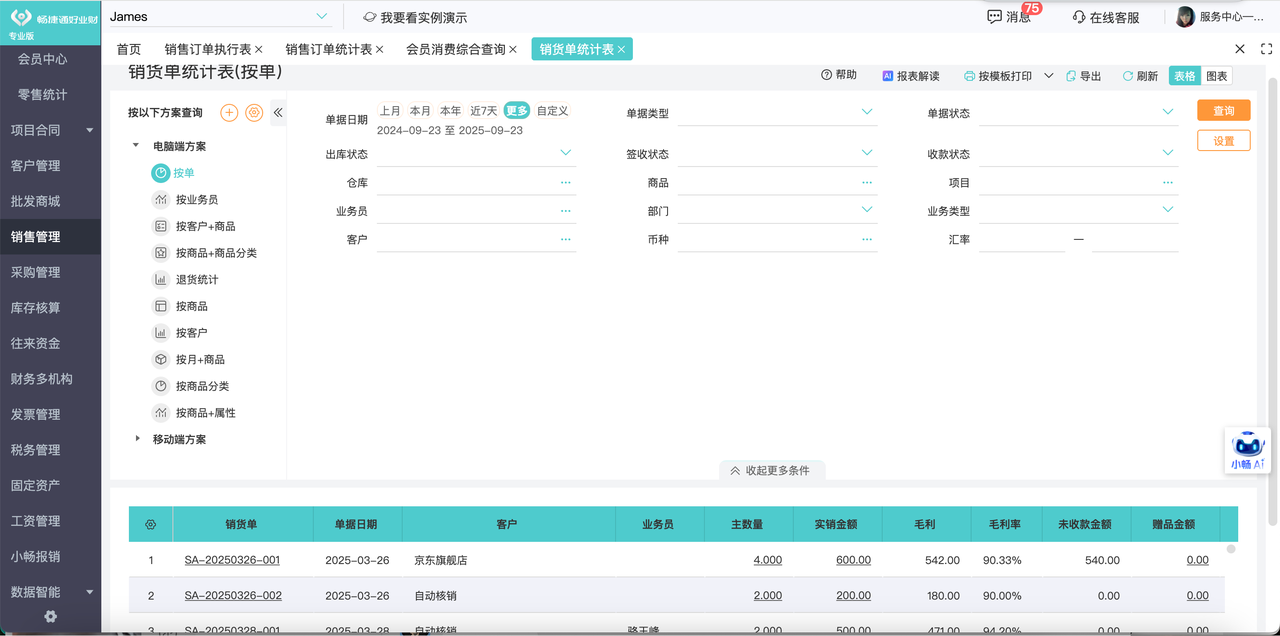
Kit sales management lets the company sign orders as kits while the system auto-generates the line-item shipment list, making dispatch accurate and error-free. A sales statistics table adds multi-dimensional analysis by product, customer, and salesperson, automatically calculating sales value and gross margin so management sees true profitability.
Finance–Operations Integration for Smarter Management
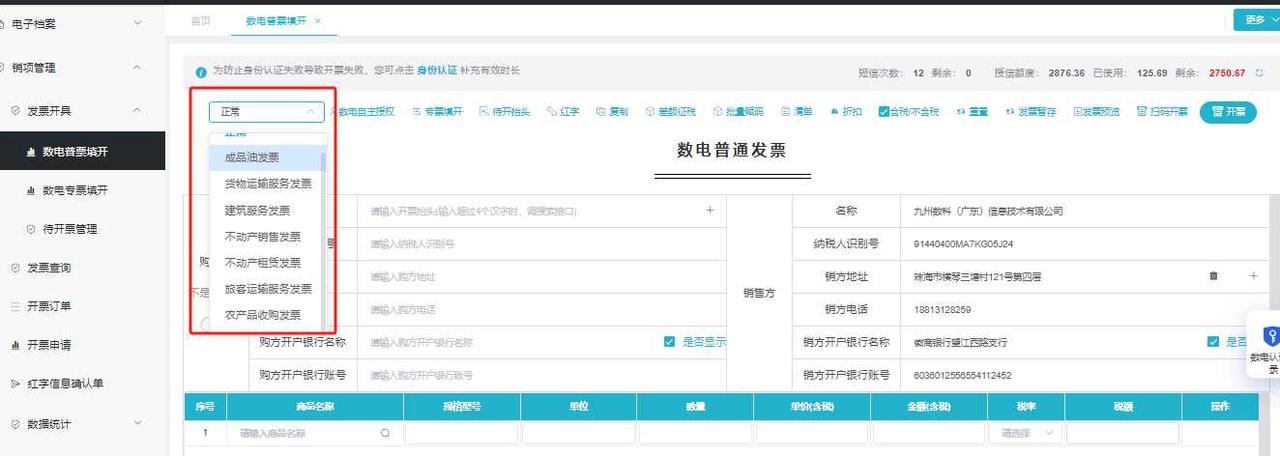
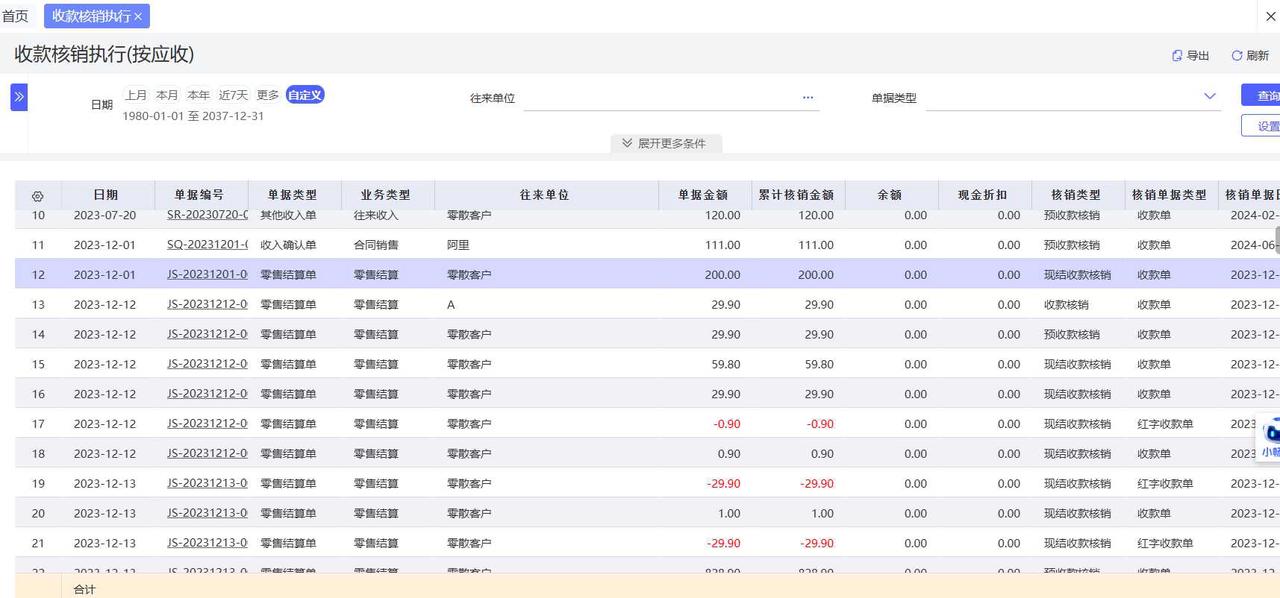
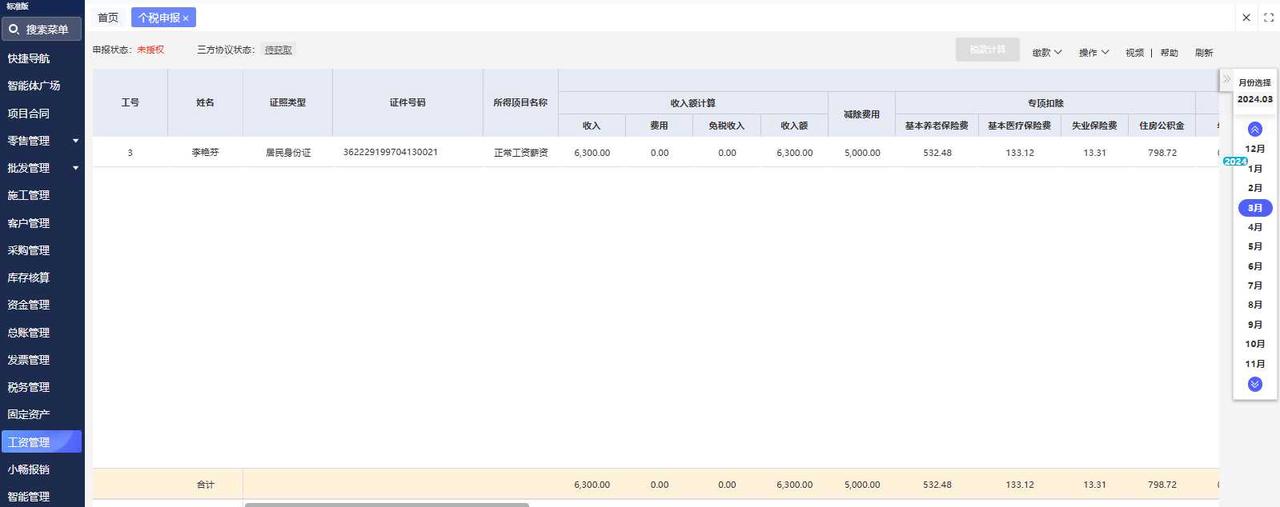
Invoicing can be generated straight from an order and supports special VAT invoices, ordinary invoices, and fully digital e-invoices, removing the errors of manual billing. Receipt write-off matches collections precisely to accounts receivable, automatically attributing payments and reducing the receivable, so write-off mistakes disappear. Individual income tax filing is produced as a withholding report and submitted online to the tax authority directly, eliminating manual filing work.
Measurable Business Value
Transparent Outsourcing Cost Means Accurate Profit
With the virtual warehouse and automatic cost collection, the company sees outsourced material consumption and processing fees in real time, shifting costing from manual estimates to precise system calculation. That accuracy underpins better pricing and profit analysis and helps the firm tighten cost control.
Standardized Kit Sales Cut Dispatch Errors
Kit sales management turns complicated fulfillment into a simple, accurate step, with the system building the line-item shipment list and preventing the missing and wrong dispatches of the past. Combined with the sales statistics table, management can read product performance and profitability clearly to guide decisions.
Integration Lifted Management Efficiency
Business documents now generate accounting vouchers automatically, freeing finance from heavy manual entry and noticeably shortening the month-end close. Automated receivables and payables control makes cash-risk management timely and lifts overall cash-flow discipline.
Conclusion
By implementing HaoYeCai, the company solved its outsourced-costing problem and built an efficient, precise, and intelligent finance-operations platform. That foundation strengthens its core competitiveness and supports sustainable growth in a fiercely competitive integrated-circuit market.
Related reading
Solving Apparel Wholesale Pain Points with Online Selection and Smart Warehousing
An apparel wholesaler cut order-entry time, reduced churn, and tamed multi-warehouse picking with a cloud ERP. Online selection and attribute cataloging streamlined the flow.
Read guide →Customer Case StudyAustralia Frozen Meat Processor: Accurate Costing for Whole-Chicken Cutting
How a Melbourne frozen-meat processor used ERP barcode, BOM disassembly and batch control to cut receiving time and cost every chicken part precisely.
Read guide →Customer Case StudyHow a Changchun Distributor Unified Wholesale and Retail on One ERP
A Changchun food distributor merged wholesale, retail, and field sales on one cloud ERP with an online mall. Coverage grew to seven districts and sales rose 10 percent.
Read guide →