Construction Firm Replaces Paper Approvals with Online Workflows and Live Reports
A construction firm replaced paper approvals with online workflows and unified business-finance data, cutting reconciliation effort and giving owners live project reports.
Company Profile / Background
A construction company ran its finance on traditional accounting software with project auxiliary accounting, while the business side kept its records by hand on spreadsheets and loose paper. The two worlds barely touched, and nothing flowed automatically between them. For the accountant, that meant re-keying paper and manual entries into the ledger every period, a slow and error-prone chore. For the owner, it meant waiting days to learn how a project was actually doing, often after the moment to act had passed. The business needed to close that gap without adding headcount, because hiring another bookkeeper would only have created another silo.
Core Challenges
Approvals stuck in paper
Expense and payment requests moved on paper forms through many steps. When a leader was off-site, signatures stalled, approvals lagged, and in the worst case a project milestone slipped because money could not be released on time.
Business and finance could not reconcile
Business data and financial data were not connected, and business feedback arrived late, so reconciliation was slow and error-prone. The accountant spent energy matching two versions of the truth instead of analyzing one.
Heavy manual voucher work
From handwritten business documents the team prepared vouchers and posted subsidiary ledgers by hand, entry after entry. The volume of posting and statistical work was large and repetitive, leaving little time for control and almost none for the judgment calls that actually protect margin.
Project data always lagging
Owners wanted income, expense and profit by project on demand, but that information only emerged after the accountant compiled it, so decisions were based on stale numbers.
How the System Solved It
The firm adopted the HaoYeCai cloud ERP suite (the ERP product by Chanjet) as a single place where business activity and accounting meet. Once documents, approvals, and postings share one platform, the four problems above start to dissolve on their own.
Standardized online approval flows
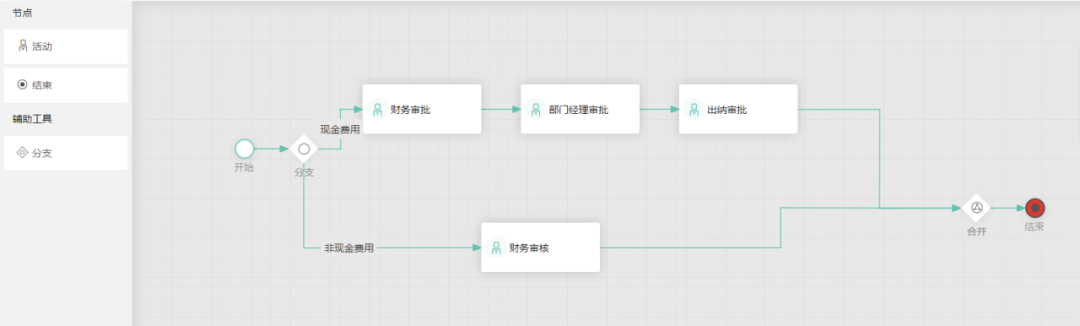
Inside the platform, the company sets standardized approval flows by business type, involved department and amount. Each request routes to the right people in the right order, and anyone can approve from a phone. With a normalized, rule-based flow, approvals happen online, raising approval efficiency and removing the off-site bottleneck that once delayed payments.


One data stream for business and finance
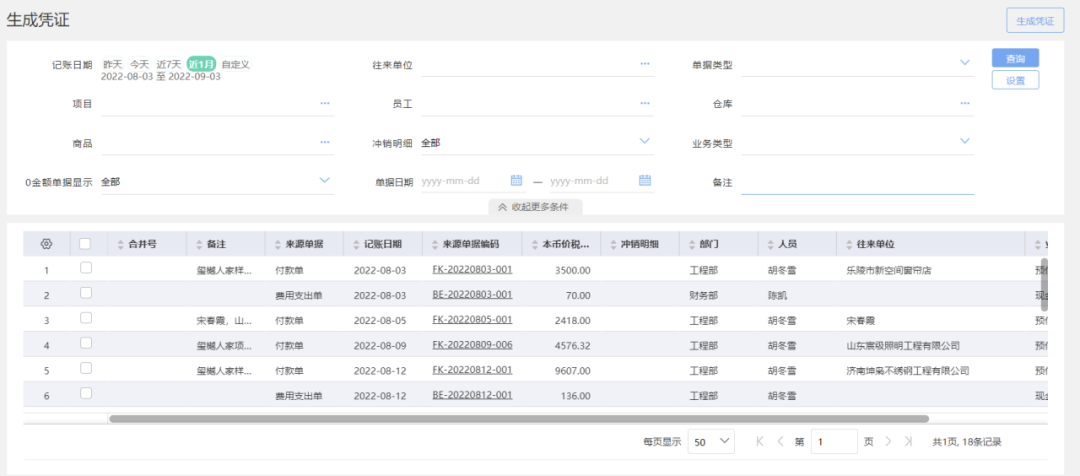
Because business documents now feed finance directly as they are created, the two sides share one source of truth instead of two conflicting ledgers. Reconciliation that used to be a manual matching exercise becomes a natural by-product of the workflow, and disagreements are resolved at the point of entry rather than at month end.
Vouchers generated, not typed
Approved business documents convert into accounting entries automatically, eliminating the manual preparation of vouchers and subsidiary ledgers. The accountant is freed from repetitive posting and can spend the saved hours on analysis, budget control, and the questions owners actually ask.

Measurable Results
Approvals no longer block the field
Online, rule-based approvals remove the off-site signature bottleneck, so a manager traveling between sites can still clear a payment in seconds. Payments release on schedule and projects are far less likely to stall for administrative reasons, which protects both the timeline and the firm's standing with subcontractors.
Reconciliation and reporting in real time
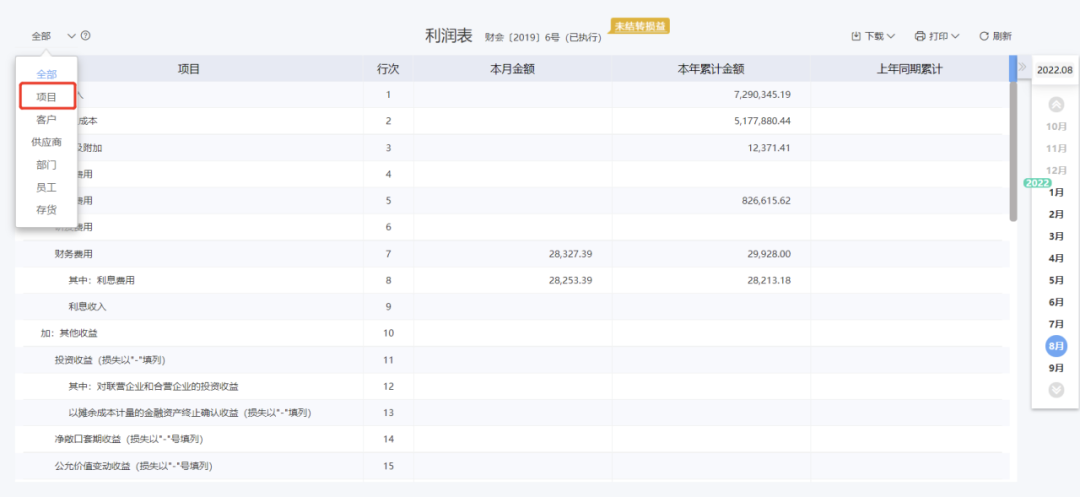
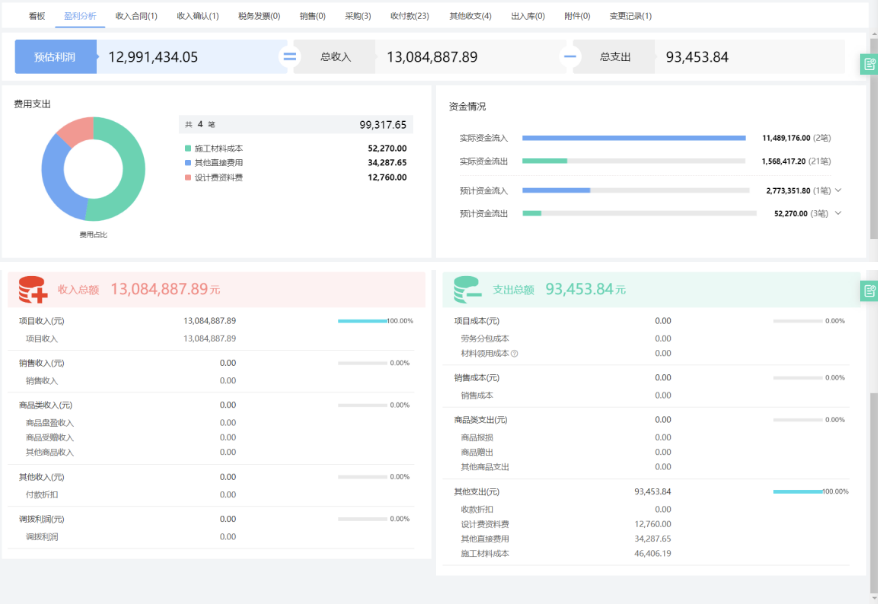
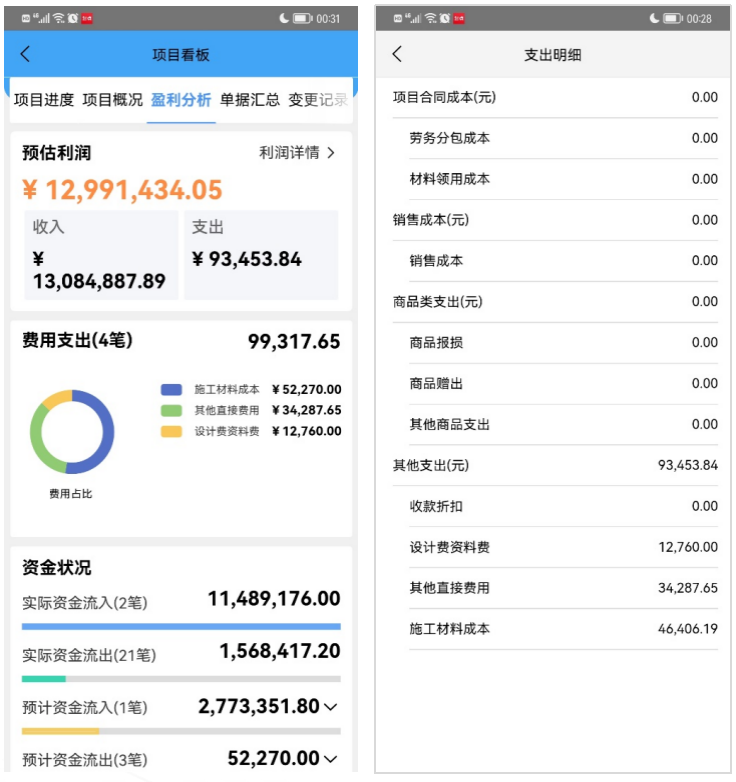
With business and finance on one stream, reconciliation effort drops sharply and the risk of mismatched figures falls with it. Owners see project income, expense and profit on demand rather than after a compilation cycle, so a question asked in a meeting can be answered on the spot.
An accountant who finally adds value
With posting automated, the accountant moved from data entry to oversight. Instead of chasing paper, the team now reviews exceptions, watches project margins, and flags issues early, which is the kind of work the role was meant for.
Conclusion
This construction firm's fix was not a bigger accounting team but a connected workflow. By moving approvals online and unifying business-finance data, the ERP suite gave the accountant relief from manual posting and gave owners the live project view they always wanted. The change is modest in description yet large in effect: fewer late payments, fewer reconciliation fights, and faster, better-grounded decisions. For a firm where every delayed payment ripples into the next job, that steadiness is itself a competitive advantage.
Related reading
Solving Apparel Wholesale Pain Points with Online Selection and Smart Warehousing
An apparel wholesaler cut order-entry time, reduced churn, and tamed multi-warehouse picking with a cloud ERP. Online selection and attribute cataloging streamlined the flow.
Read guide →Customer Case StudyAustralia Frozen Meat Processor: Accurate Costing for Whole-Chicken Cutting
How a Melbourne frozen-meat processor used ERP barcode, BOM disassembly and batch control to cut receiving time and cost every chicken part precisely.
Read guide →Customer Case StudyHow a Beijing IC Company Achieved Finance–Operations Integration for Precision Management
A Beijing integrated-circuit maker unified purchasing, outsourcing, kit sales, and accounting in one ERP, automating cost allocation and cutting month-end close effort.
Read guide →