Cross Border Wig Trader Syncs Domestic and Overseas Data in One ERP
A US-based wig trader with a China buying office fought data drift and complex attributes. One ERP suite now syncs stock, enforces dual approval, and handles dual-currency costing.
Company Profile / Background
This case study covers a cross-border wig trader whose entity sits in the United States with a procurement office in China. Its products include wefts, hair pieces, and full wigs with complex attributes spanning nine dimensions such as length, color, curl, material, tag, size, and craft. Orders taken in the US pass to China for purchasing, goods ship to the US warehouse, and the US side sells and collects. Running procurement from China for a US-facing business meant any data gap surfaced as a customer or supplier problem within days.
With five to ten users and a two-country operation, the business lives on timely, shared data. Before the change, Excel and manual entry left the teams out of sync.
Core Challenges
Manual Procurement Risked Wrong Figures
Domestic purchasing ran entirely on Excel with no review step, so a single person could mistype 100 as 1000. Leadership feared payables errors would damage supplier relationships and the firm's reputation.
Complex Attributes Defied Manual Tracking
Nine attribute dimensions made manual control error-prone. The same product varied widely in price by supplier, needing separate price lists, and Chinese-English name mapping was hard, slowing the China team's reading of US order codes.
Domestic and Overseas Data Never Synced
Without real-time sync, management could not see stock or balances promptly. The US sales team lacked visibility into China buying progress and inventory, hurting delivery promises, while finance struggled to track payables and cash needs.
How the System Solved It
The team targeted five connected capabilities: linked vouchers, attribute-level stock, approval control, payables insight, and dual-currency handling. Each is described below.
Integrated Vouchers Linked Operations and Finance
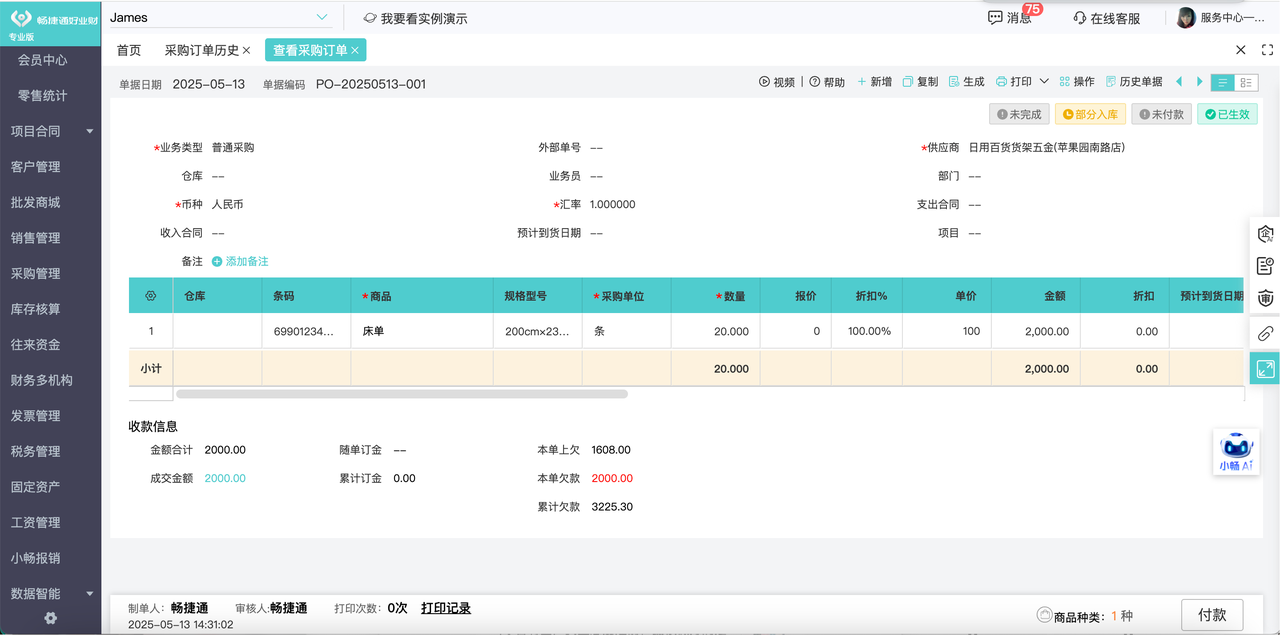
After a US sales order arrived, the China team raised a standard purchase order covering item, quantity, price, terms, and delivery. The system stored different purchase prices per supplier and auto-pulled history, preventing entry mistakes and speeding buying. The China buying desk stopped re-keying orders that the US team had already written.
Multi-Attribute Inventory Gave Precise Control
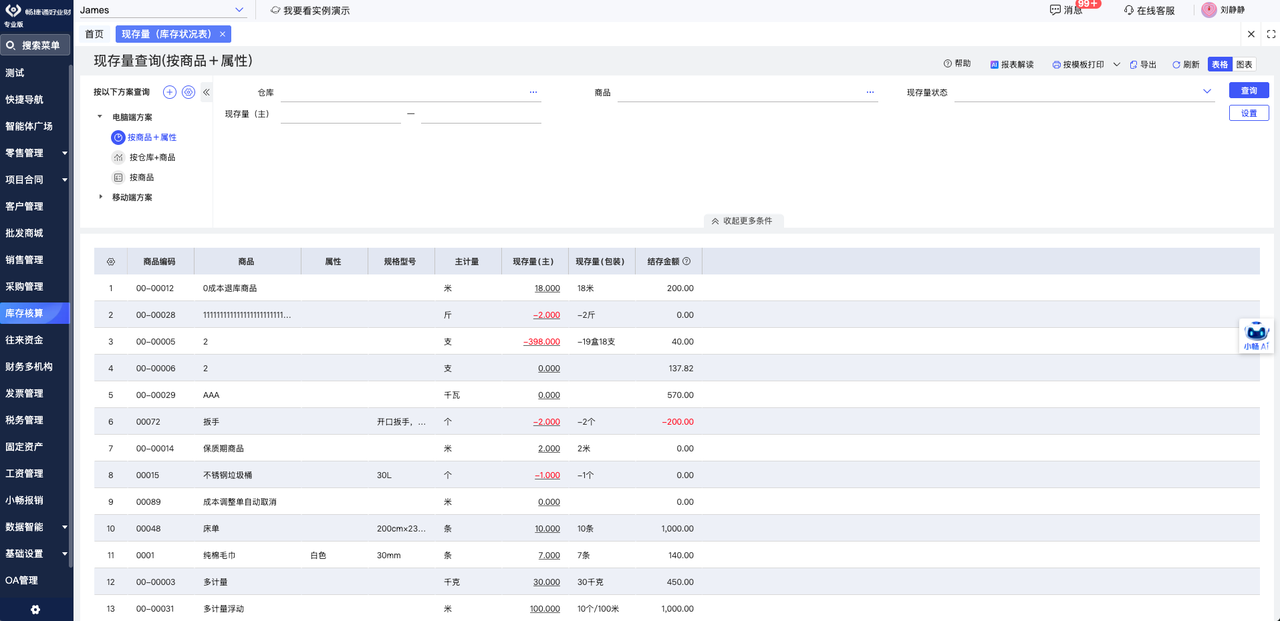
A stock-by-item-and-attribute view managed all nine dimensions at attribute level for fine query and analysis. Product aliases mapped Chinese and English names so the China team read US codes fast. Flexible status filters showed specific attribute stock to avoid stockouts or pile-ups. Attribute-level views replaced the old habit of guessing which box held which variant.
Dual Approval Guarded Data Accuracy
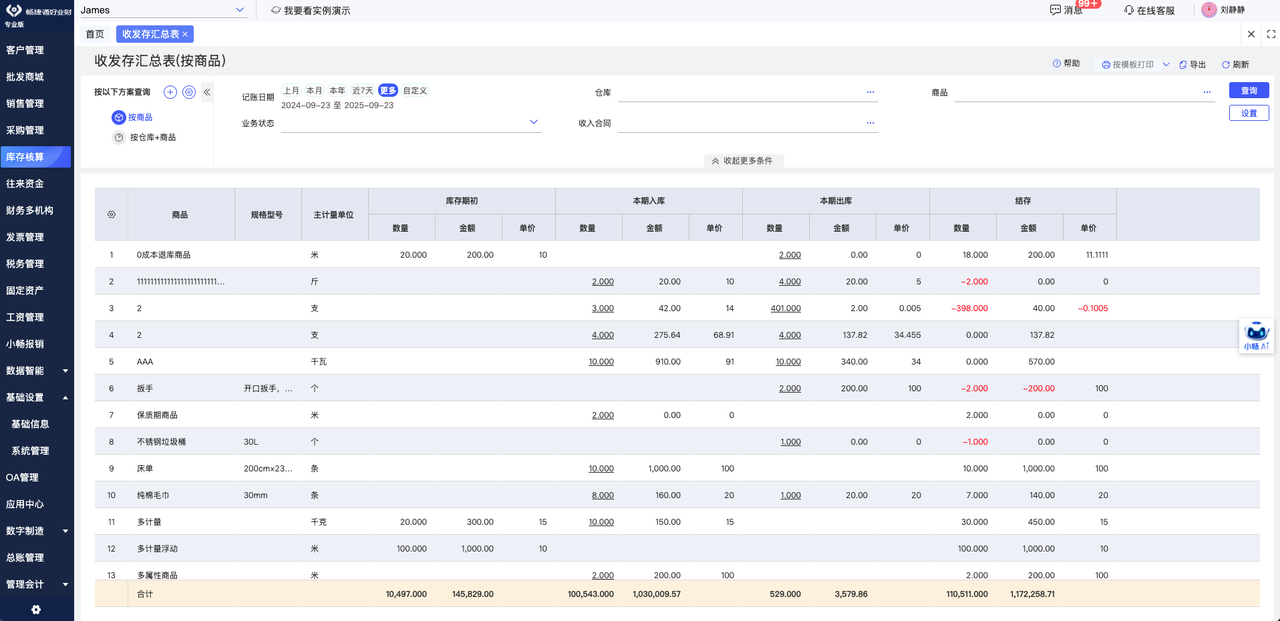
Inbound approval routed purchases through finance review for two-person verification, removing single-entry risk. A receipt-issue-stock summary monitored inbound and outbound in the period to keep movements consistent and surface anomalies. A second pair of eyes on every inbound removed the fear of a silent tenfold mistake.
Payables Management Optimized Cash
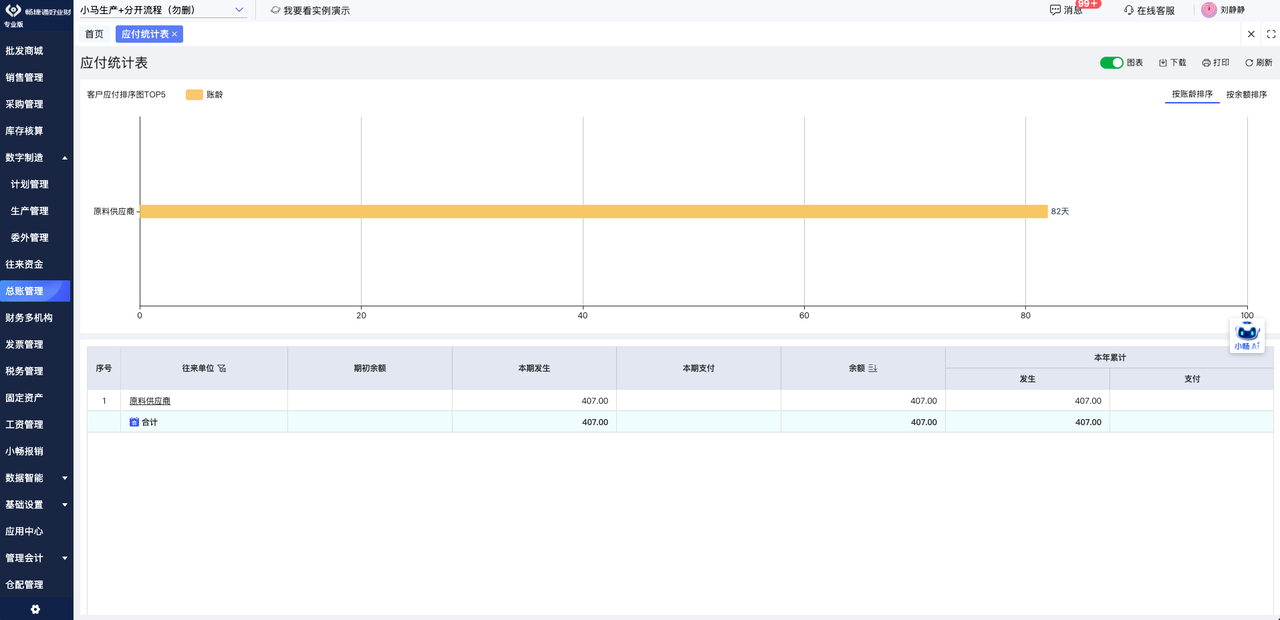
Approved inbound auto-computed payables, cutting manual error. A payable summary showed all suppliers' dynamics, including new payables, paid amounts, and balances, while a visual aging chart flagged abnormal supplier tenure to tune payment plans. Suppliers could no longer slip past an unnoticed overdue balance.
Dual Currency Supported Cross-Border Work
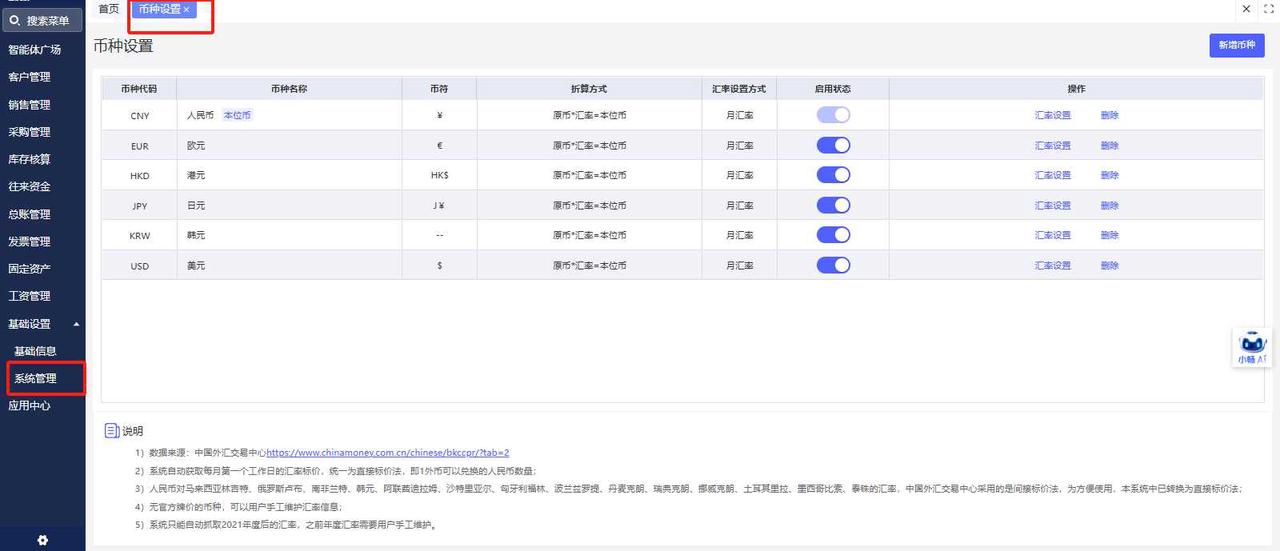
Currency settings enabled RMB and USD accounting, with buying in RMB and costing in USD as the base currency. Automatic exchange-rate updates kept foreign-currency postings accurate and timely without manual upkeep. Cash flow finally made sense in both the currency it was spent and the one it was earned.
Measurable Results
The gains came together as fewer errors, tighter coordination, and finer control. The outcomes below summarize what changed after rollout.
Financial Data Accuracy Rose
Dual approval plus receipt-issue-stock monitoring removed entry risk and secured payables data. Leadership gained confidence in the numbers and supplier ties stayed stable. Leadership stopped questioning whether the payables total could be trusted.
Cross-Team Collaboration Improved
Both teams viewed stock and balances on one system, with data flowing across buying, warehousing, and finance instead of via Excel. The US sales team saw inventory timely, lifting service and delivery promise accuracy. The US sales desk could promise delivery dates it actually meant.
Finer Multi-Dimension Control
Nine attribute dimensions, per-supplier pricing, and Chinese-English aliases met complex cross-border needs. Attribute-level stock control prevented specific shortages or overstock. Stock of any single attribute stopped quietly running to zero.
Conclusion
By adopting this ERP suite, the wig trader replaced data drift with a transparent, efficient, precise cross-border platform. It now lifts operations, cuts management risk, and sustains growth in tough international markets.
Related reading
Solving Apparel Wholesale Pain Points with Online Selection and Smart Warehousing
An apparel wholesaler cut order-entry time, reduced churn, and tamed multi-warehouse picking with a cloud ERP. Online selection and attribute cataloging streamlined the flow.
Read guide →Customer Case StudyAustralia Frozen Meat Processor: Accurate Costing for Whole-Chicken Cutting
How a Melbourne frozen-meat processor used ERP barcode, BOM disassembly and batch control to cut receiving time and cost every chicken part precisely.
Read guide →Customer Case StudyHow a Beijing IC Company Achieved Finance–Operations Integration for Precision Management
A Beijing integrated-circuit maker unified purchasing, outsourcing, kit sales, and accounting in one ERP, automating cost allocation and cutting month-end close effort.
Read guide →