Transparent Order Flow for a Custom Textile Manufacturer
A custom textile maker lost orders to messy tracking and opaque outsourcing. Order and outsourced visibility restored on-time delivery and trust.
Company Profile / Background
The business is a custom textile manufacturer producing a wide, varied catalog, silk scarves, Arabic scarves, handkerchiefs, soccer jerseys, aprons, and pet bandanas, for domestic and overseas clients. It runs an outsourced model: receive the order, make the sample, send work to outside processors, then receive and ship finished goods. With so many one-off designs and external steps, order flow clarity is the whole game. A missing spec or a late sample does not just delay one job; it can lose the client who found the next supplier while nobody noticed.
Core Challenges
Messy Orders and Lost Customers
Salespeople logged orders in a shared Excel file inside a chat group, so details were easily missed or lost. Unclear status meant slow follow-up, incomplete specs, and falling satisfaction that cost the firm prospective buyers. In a market where the next supplier is one click away, that drift is the fastest route to irrelevance.
Opaque Production and Weak Coordination
Schedulers tracked outsourced orders on paper and Word files, unable to see each processor's progress. Sales phoned the warehouse for status; manual handoffs caused missed schedules and late deliveries that hurt the delivery experience.
Hard Data and Blind Decisions
Each month, order counts, sample-to-order conversion, and sales performance were tallied by hand, slow and error-prone. Management lacked timely figures for analysis and could not react or adjust strategy fast.
Sample-to-Order Leakage
For a custom maker, the sample is the real sales funnel: it shows intent long before the bulk order. When samples are tracked by hand, many simply fade from view, so the business never learns how many prospects it quietly lost or which designs deserved a follow-up call.
How the System Solved It
The popular edition's order management and outsourced-processing capabilities built one integrated flow.
Full Sales-Order Tracking
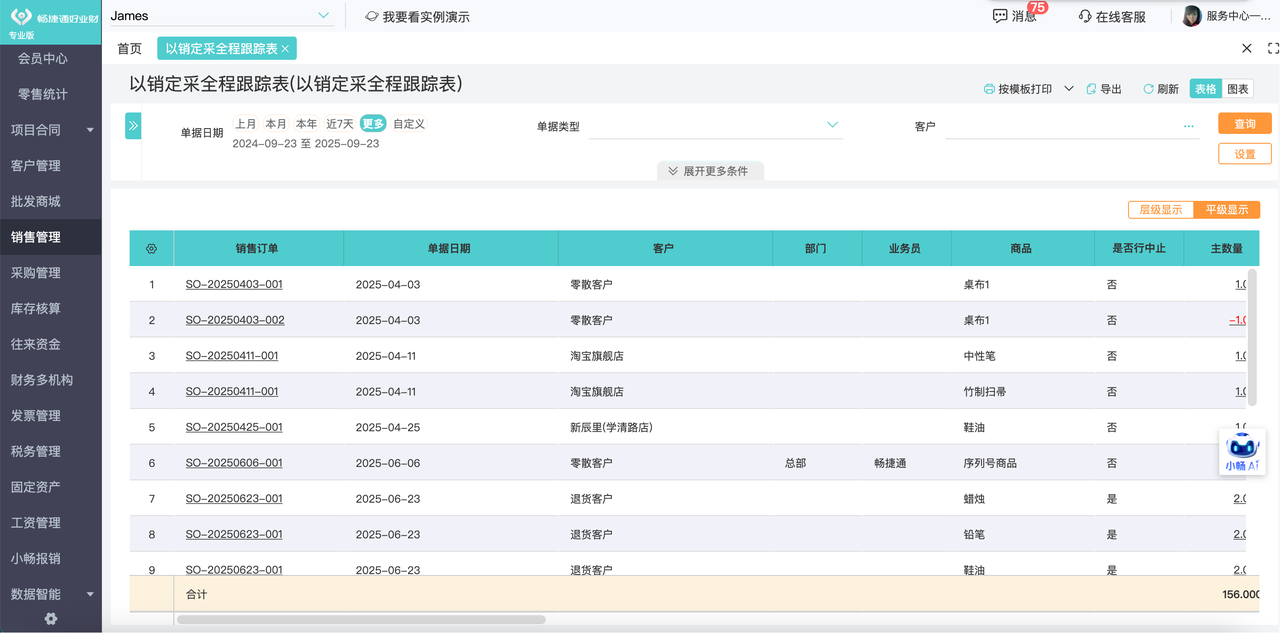
Sales order management captures complete client info, specs (material, size, craft, color code), and delivery needs, with sample and regular orders separated. The make-to-buy tracking table visualizes the whole path, opened, scheduled, received, shipped, erasing blind spots. Multi-currency (for example USD) with auto exchange serves international trade.
Transparent Outsourced Processing
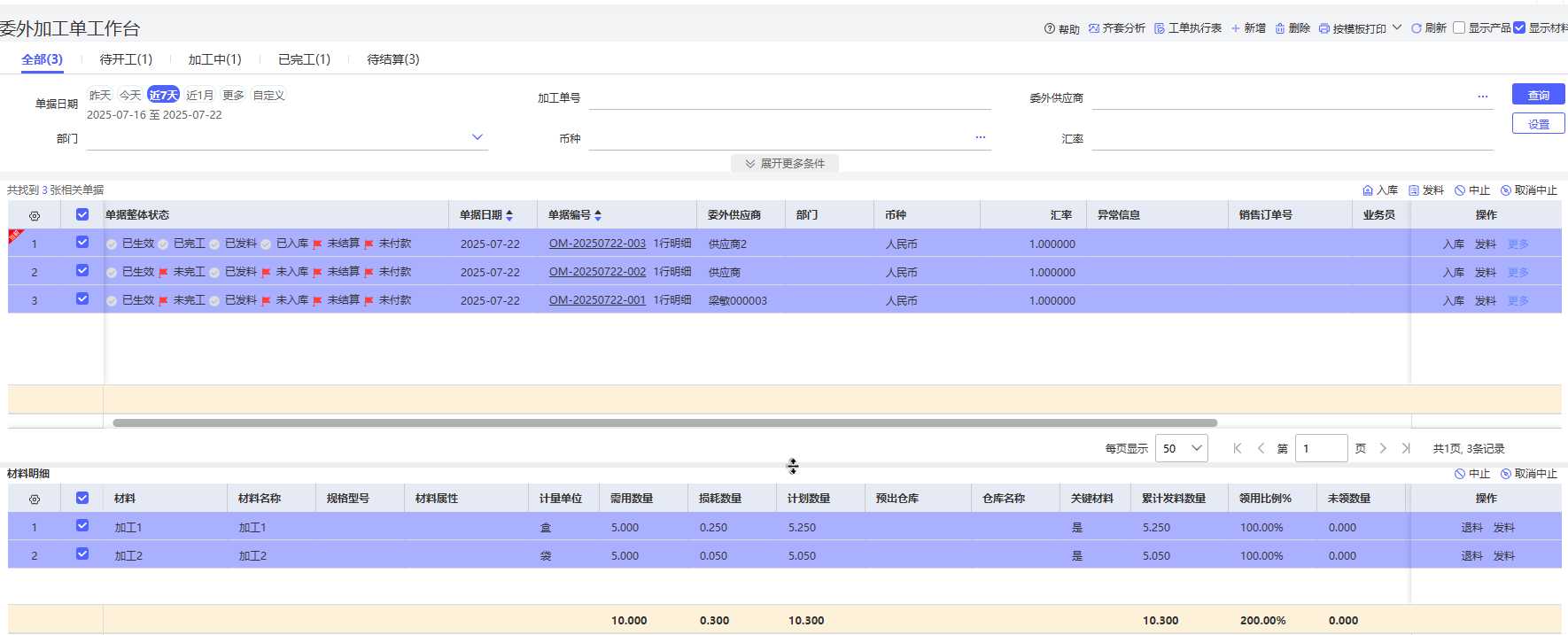
The outsourced-workbench lets schedulers manage all subcontract orders, pick the right processor and job, and auto-fill order data. Visual boards and status tags monitor each order's progress, and delivery and return-date alerts prevent missed or late jobs.
Integrated Inventory In and Out
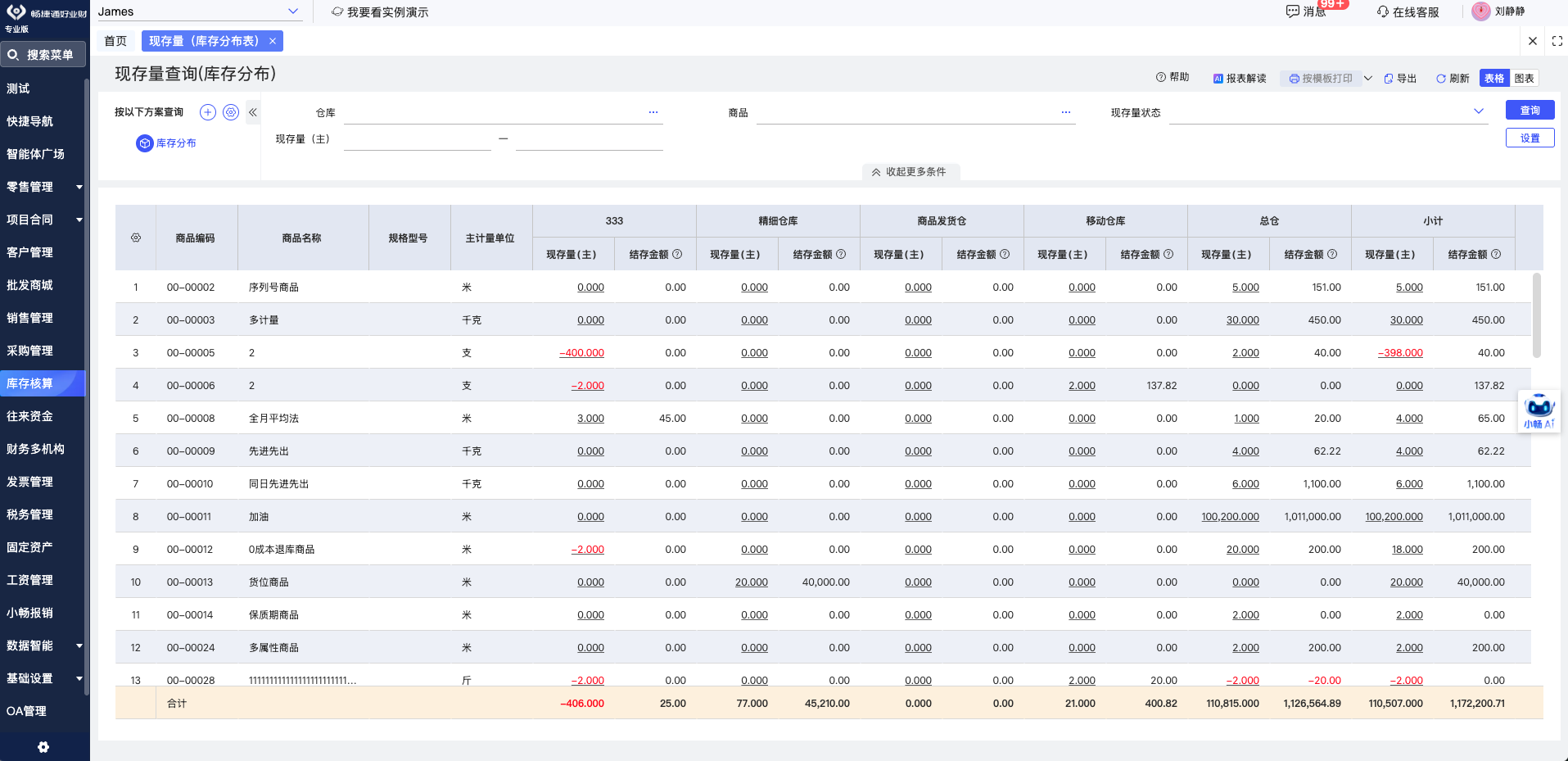
On completion, a receiving document records returns and updates stock automatically. Warehouse ships against the order in the finished-goods dispatch module with logistics tracked for traceability. The stock-distribution view shows real-time inventory across warehouses for coordination.
Automated Order Analytics
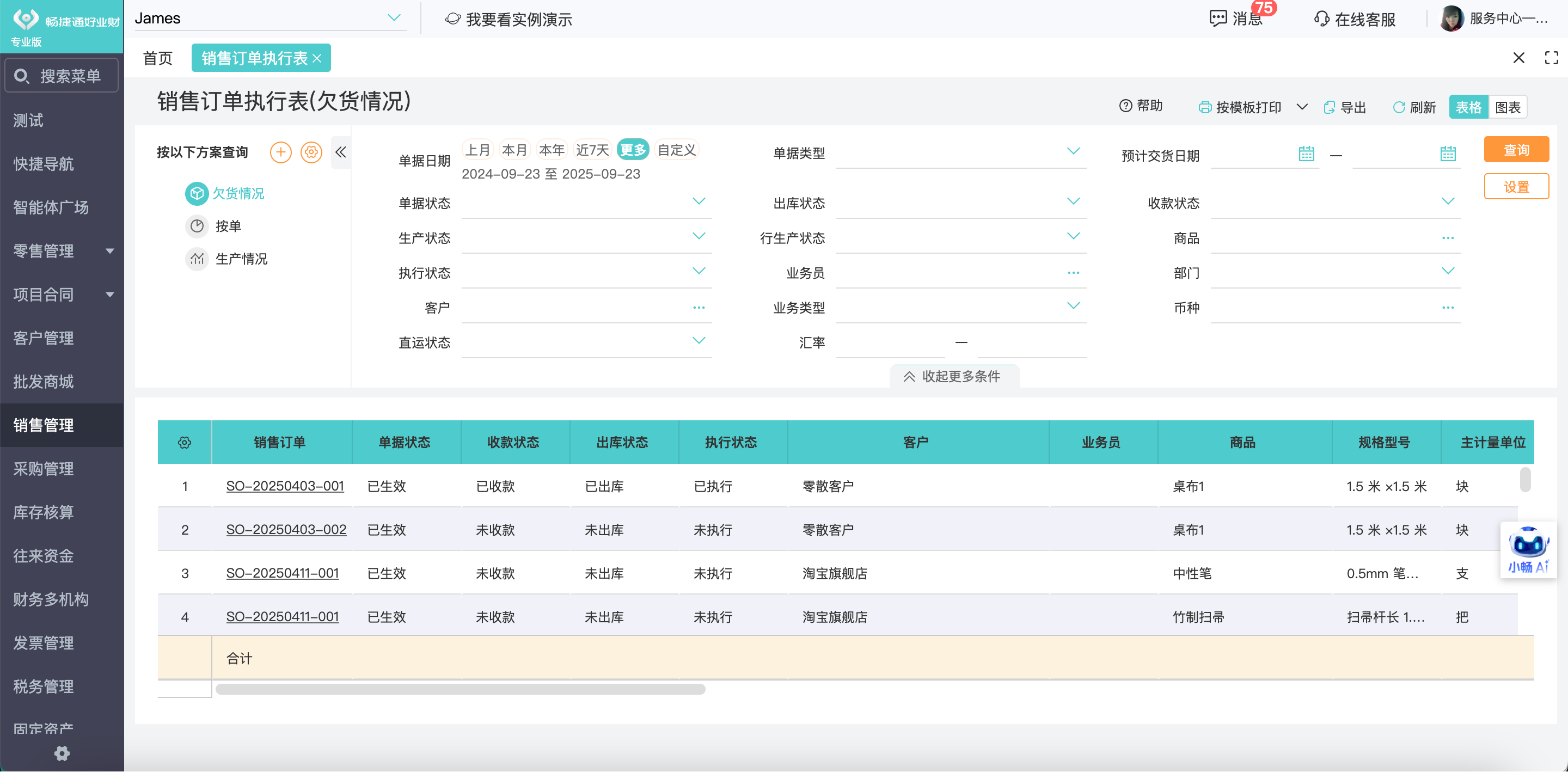
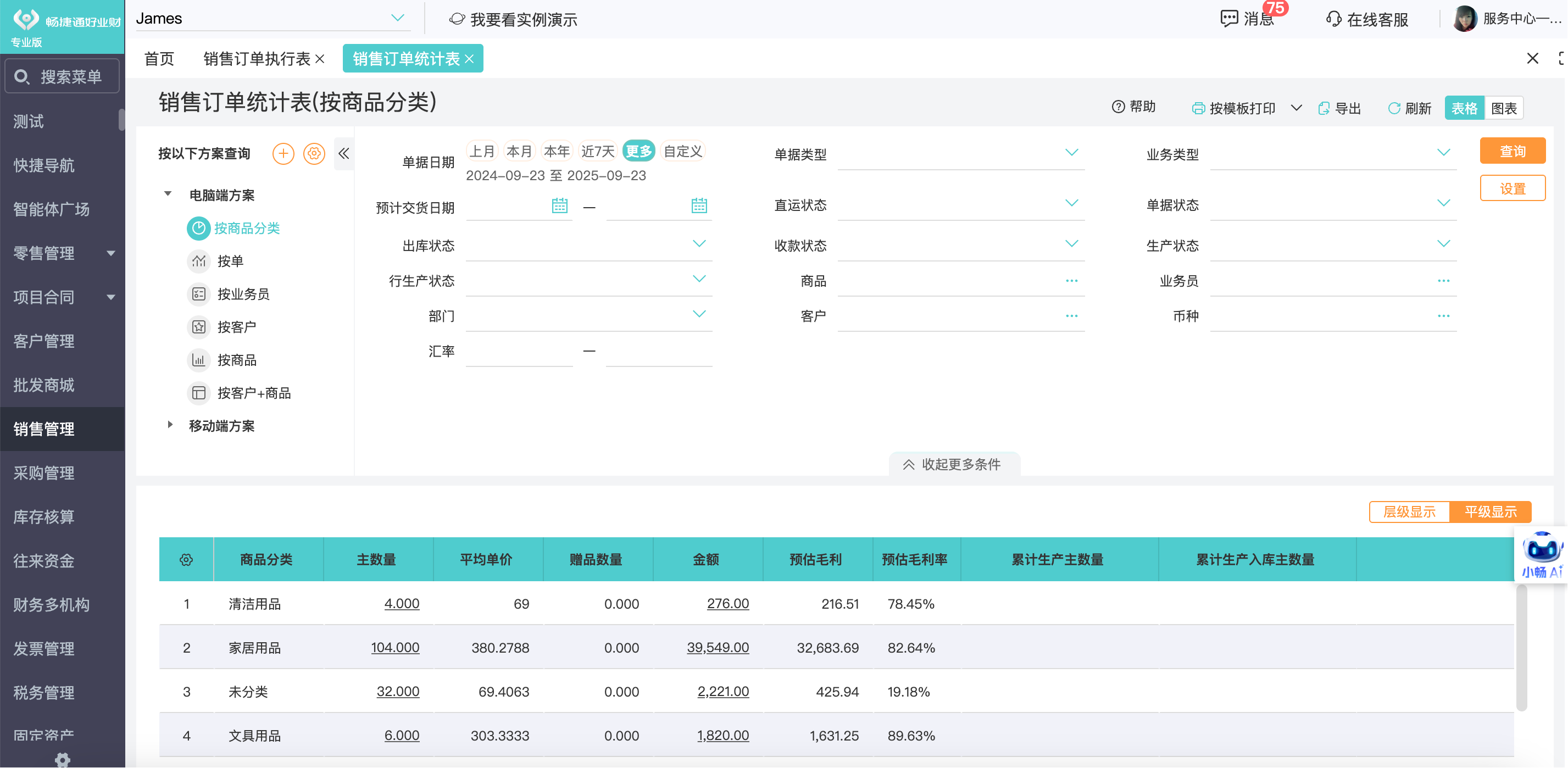
The sales order execution table monitors delivery, quantity, and collection; the sales order statistics table analyzes by customer, product, or salesperson with automatic totals. Permission tiers let each salesperson see only their own orders for data safety.
Permission Tiers Protect Data
Opening the full order book to every clerk would invite both mistakes and leaks, yet hiding it entirely slows the team. Scoping each salesperson to their own accounts keeps customer data safe while still giving everyone the live status they need to serve that customer well.
Measurable Results
Order Discipline Raises Satisfaction
Complete, tracked orders end the lost-detail problem and lift customer satisfaction and retention. Because every spec now lives in one record, a repeat order is a search, not a reconstruction from memory.
Better Coordination, On-Time Delivery
Automatic messaging and clear flow cut manual communication; transparent outsourcing catches delays early, avoiding missed and late jobs. The scheduler stops being a telephone operator and becomes a planner who acts on exceptions.
Automated Data, Smarter Decisions
Automatic tallies of orders, conversion, and performance across dimensions give management timely, reliable data to optimize and compete. Instead of a monthly surprise, leaders watch the funnel weekly and shift effort toward the designs that convert.
Conclusion
For a custom textile maker, transparency is productivity. Unifying order, outsourcing, inventory, and analytics turned scattered effort into reliable, on-time service. The firm can now promise a date and keep it, which for a maker of one-off designs is the quiet advantage that turns first orders into long relationships. The same visibility also helps the sales team quote lead times honestly and protects the firm from over-promising when capacity is tight. The same visibility also helps the sales team quote lead times honestly and protects the firm from over-promising when capacity is tight.
Related reading
Solving Apparel Wholesale Pain Points with Online Selection and Smart Warehousing
An apparel wholesaler cut order-entry time, reduced churn, and tamed multi-warehouse picking with a cloud ERP. Online selection and attribute cataloging streamlined the flow.
Read guide →Customer Case StudyAustralia Frozen Meat Processor: Accurate Costing for Whole-Chicken Cutting
How a Melbourne frozen-meat processor used ERP barcode, BOM disassembly and batch control to cut receiving time and cost every chicken part precisely.
Read guide →Customer Case StudyHow a Beijing IC Company Achieved Finance–Operations Integration for Precision Management
A Beijing integrated-circuit maker unified purchasing, outsourcing, kit sales, and accounting in one ERP, automating cost allocation and cutting month-end close effort.
Read guide →