Daily Chemical Wholesaler Speeds Picking With Bin and Barcode Control
A daily-chemical wholesaler fought picking errors across thousands of barcodes. Barcode scanning, bin locations, and credit limits turned chaotic dispatch into precise fulfillment.
Company Profile / Background
This case study covers a daily-chemical wholesaler that distributes shampoos, skincare, body wash, toothpaste, and toothbrushes to supermarkets. Its workflow runs from sales rep order taking to order entry, warehouse picking, and logistics delivery. With tens of thousands of product barcodes, the business depends heavily on tight warehouse control and fast, accurate dispatch. Serving supermarkets meant a missed pick could become a shelf gap at a major chain, so speed and accuracy both mattered.
Growth and more agency brands kept stretching a manual process that was never designed for this scale. The result was picking mistakes, fuzzy stock data, and weak credit control.
Core Challenges
Picking Was Slow and Error-Prone
As sales grew and agency brands multiplied, the old picking method could not keep up. Warehouse layout was not fine-grained, so new staff made mistakes that hurt customer satisfaction. The previous system had no bin-location feature, so goods could not be returned to a fixed slot promptly after arrival. Fast-moving consumer lines left no room for a slow warehouse to hide its mistakes.
Inventory Pressure and Inaccurate Data
With tens of thousands of barcodes, inventory pressure was intense. Without effective control the firm saw overselling and negative stock, and accuracy was hard to guarantee, troubling day-to-day decisions. Owners measured the warehouse by whether the right box reached the supermarket on time.
Loose Credit Control Raised Cash Risk
There was no systematic customer credit management, so receivables risk went uncontrolled. Unclear credit limits and terms caused capital occupation and bad debts, threatening cash-flow safety. A single unhappy chain buyer could pull a large recurring order with one bad delivery.
How the System Solved It
The rollout centered on four levers: bin control, fine inventory, credit limits, and digital workflow. Each is described below.
Bin Locations Made Picking Precise
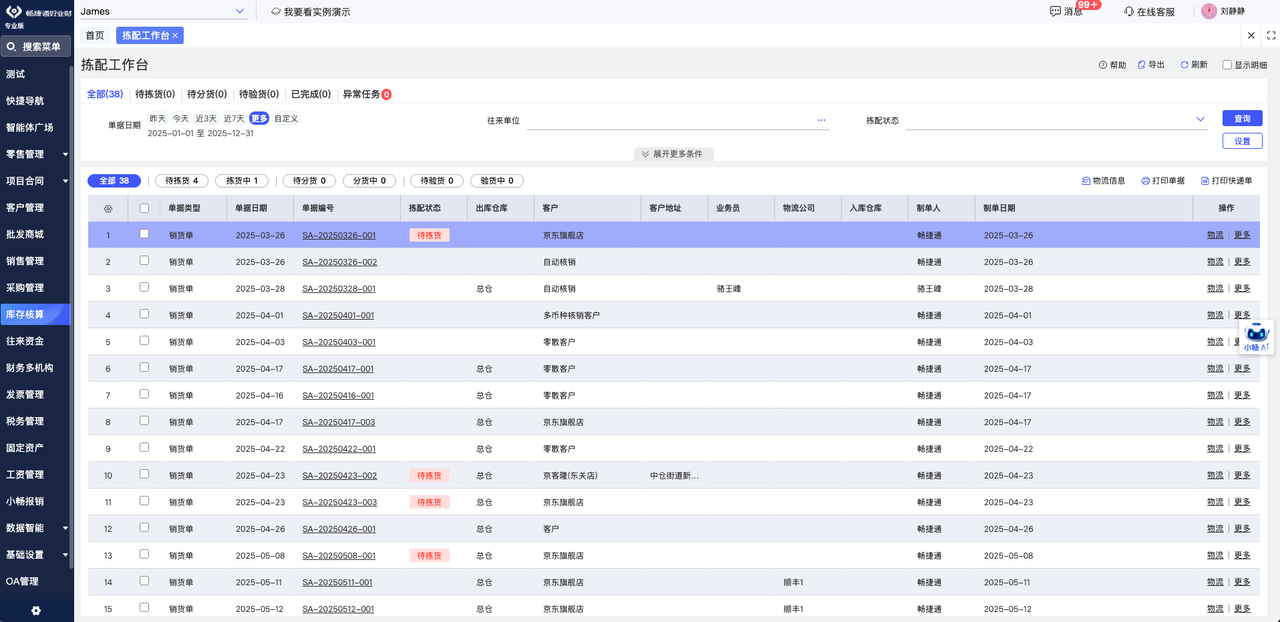
The team built a full bin system with both temporary and fixed locations so every item had a precise address. Using a handheld scanner for one-order-one-pick, even new staff picked quickly and accurately. The system also sorted orders by priority and zone to optimize the picking path and cut repeat walking. New hires reached productive picking within days instead of weeks.
Fine Inventory Control Kept Data Accurate
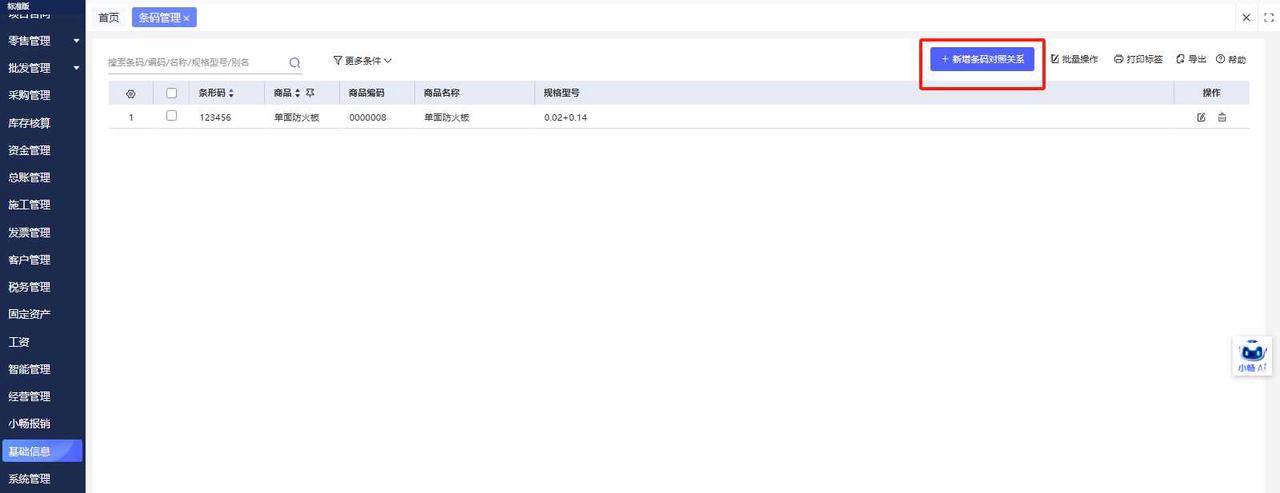
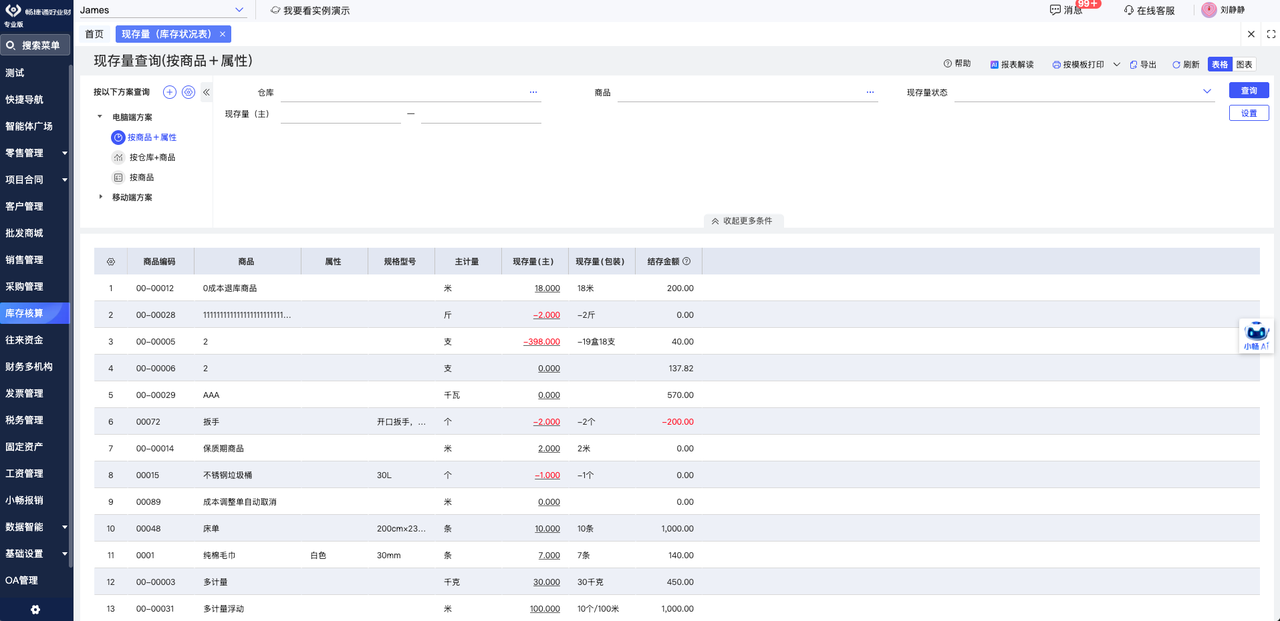
Dual control of on-hand and available quantity prevented overselling and negative stock. Barcode management with one-code-many-items sped up identification and cut entry errors. Optional batch and shelf-life control protected product quality. Stock counts stopped drifting away from what the system claimed.
Credit Control Contained Cash Risk
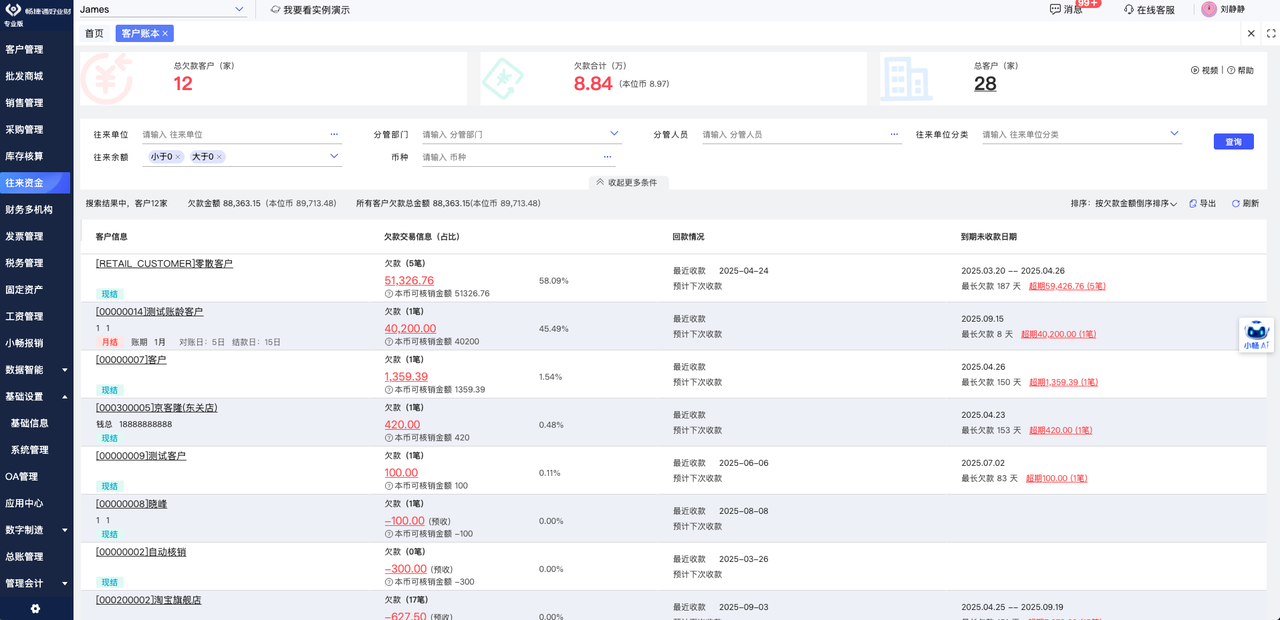
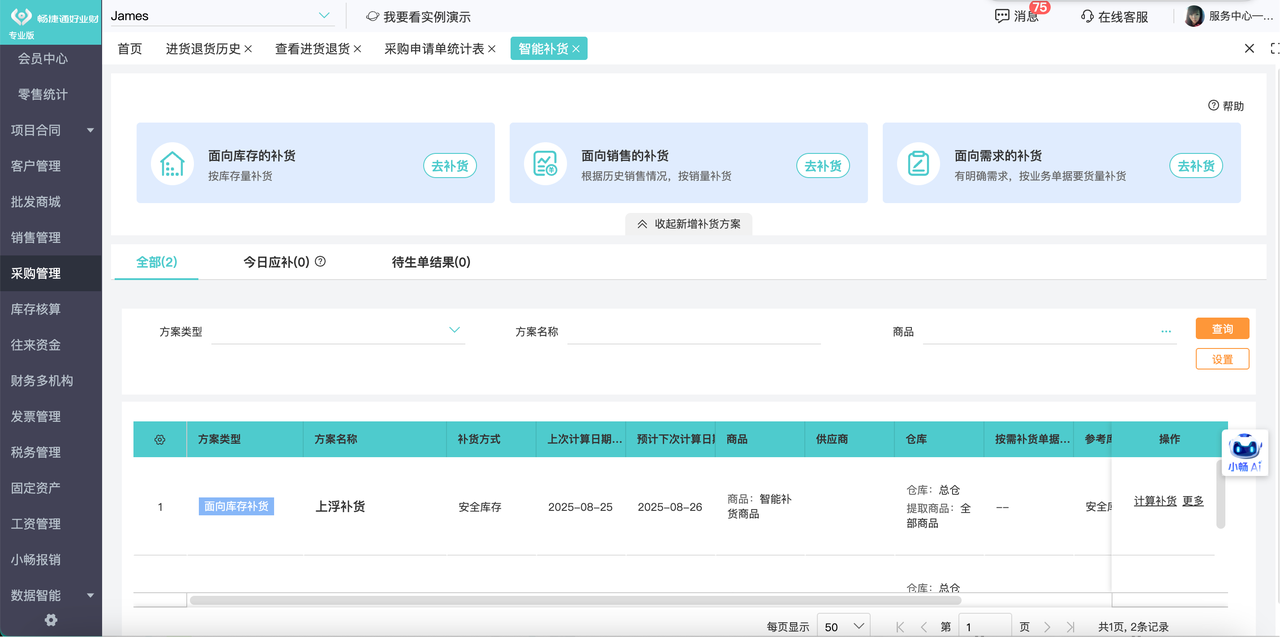
Customer credit limits and terms were set to keep receivables in check. All transaction documents rolled into a live customer account file, showing owed amounts in real time. Smart replenishment analyzed stock and sales trends to suggest purchases, avoiding both stockouts and pile-ups. Sales reps could finally see a customer's true outstanding balance before taking the next order.
Digital Workflow Raised Operating Efficiency
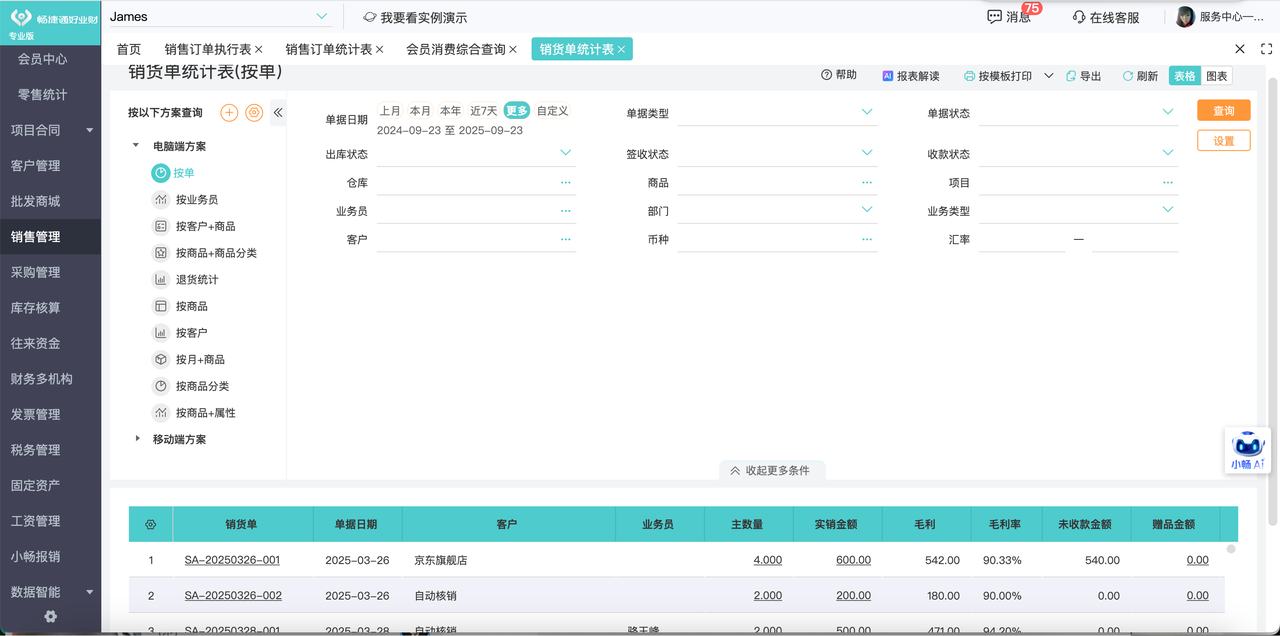
Order entry pulled in recent prices automatically and supported barcode import. The handheld device handled receiving, picking, and bin adjustments via scan. Multi-dimensional sales reports gave a full view of performance to guide decisions. Buyers got a prompt to reorder before shelves ran dry.
Measurable Results
Together these changes moved dispatch from chaotic to precise. The outcomes below show the operational shift.
Picking Efficiency Rose Sharply
Bin locations plus handheld scanning let new staff pick correctly and quickly. Smart sorting and path optimization cut wasted effort, lifting picking speed and customer satisfaction. Warehouse throughput rose without adding headcount.
Inventory Became More Accurate
Dual quantity control ended overselling and negative stock, while barcode management reduced manual error and improved precision. Negative stock and overselling became rare events rather than daily fires.
Cash Risk Was Brought Under Control
Credit limits and terms contained receivables risk and protected cash flow. Live account tracking caught overdue items early for prompt action. Credit holds protected cash that used to leak into bad debt.
Decisions Became More Scientific
Multi-dimensional analytics supported planning, and smart replenishment optimized stock structure, freeing capital and improving turnover. Replenishment stopped being a guessing game.
Conclusion
With this ERP suite the wholesaler moved from rough, manual handling to fine, digital warehouse management. Bin control plus mobility lifted picking, dual stock control plus barcodes secured accuracy, and credit limits plus smart replenishment tamed risk, laying a solid digital base for growth in the daily-chemical trade.
Related reading
Solving Apparel Wholesale Pain Points with Online Selection and Smart Warehousing
An apparel wholesaler cut order-entry time, reduced churn, and tamed multi-warehouse picking with a cloud ERP. Online selection and attribute cataloging streamlined the flow.
Read guide →Customer Case StudyAustralia Frozen Meat Processor: Accurate Costing for Whole-Chicken Cutting
How a Melbourne frozen-meat processor used ERP barcode, BOM disassembly and batch control to cut receiving time and cost every chicken part precisely.
Read guide →Customer Case StudyHow a Beijing IC Company Achieved Finance–Operations Integration for Precision Management
A Beijing integrated-circuit maker unified purchasing, outsourcing, kit sales, and accounting in one ERP, automating cost allocation and cutting month-end close effort.
Read guide →