Software R&D Firm Achieves Industry-Finance Integration on DingTalk with the Platform
A software R&D firm achieved industry-finance integration on DingTalk, with live project progress, automatic cost collection and OA approvals generating expense records.
Company Profile / Background
A digital-technology company runs a custom software development business where revenue is earned by delivering projects and cost is driven by people. Like most R&D firms, its biggest expense is talent: in-house engineers, outsourced contractors and employee reimbursements that can swing a project from profit to loss. The leadership wanted finance to reflect project reality in real time, and they already lived inside DingTalk for daily collaboration, so any new system had to meet them there rather than add another login nobody would open.
Core Challenges
Project progress invisible to finance
Managers needed to follow each project's stage progress in real time, but status lived in scattered tools and in people's heads. Finance learned about progress only after the fact, breaking the link between delivery and billing and leaving cash collection to chance.
Project cost not collected automatically
Labor cost, outsourced labor and employee reimbursements all touched a project, yet none was gathered automatically from the tools where it originated. True project cost arrived late and incomplete, so profitability was a mystery until close and estimates for the next bid were built on guesswork.
Collection reminders and reconciliation gaps
With no systematic collection reminder, receivables slipped. And because DingTalk OA approvals were separate from finance, approved spending had to be re-keyed by hand, doubling effort and inviting error.
How the System Solved It
The firm deployed the HaoYeCai cloud ERP suite (the ERP product by Chanjet) and connected it to DingTalk, so project management, cost collection and approvals share one backbone. Because the team never leaves DingTalk to approve or report, the data lands in finance without a second capture step.
Live project progress tracking
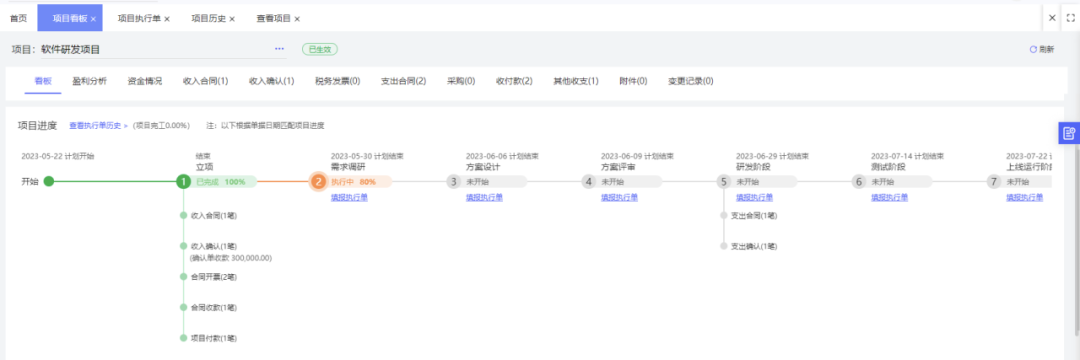
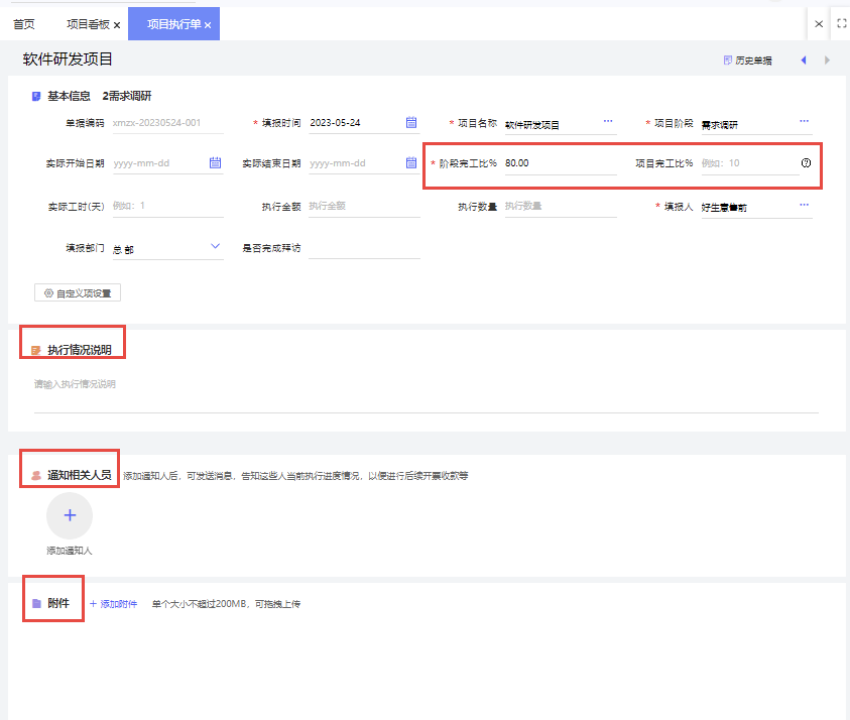
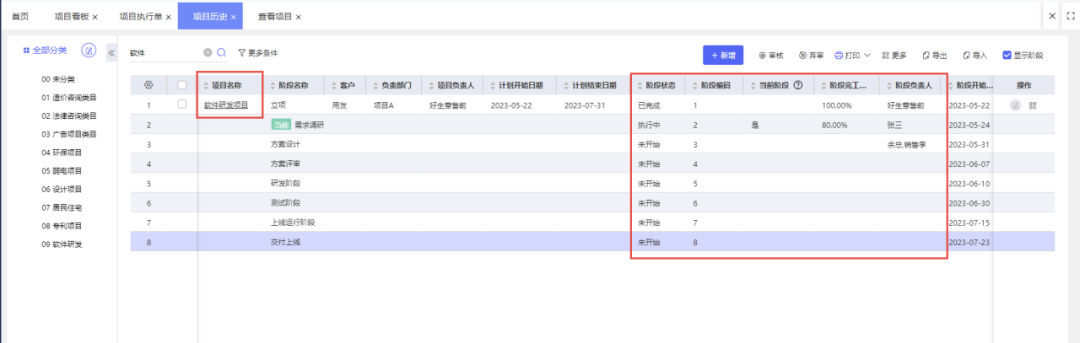
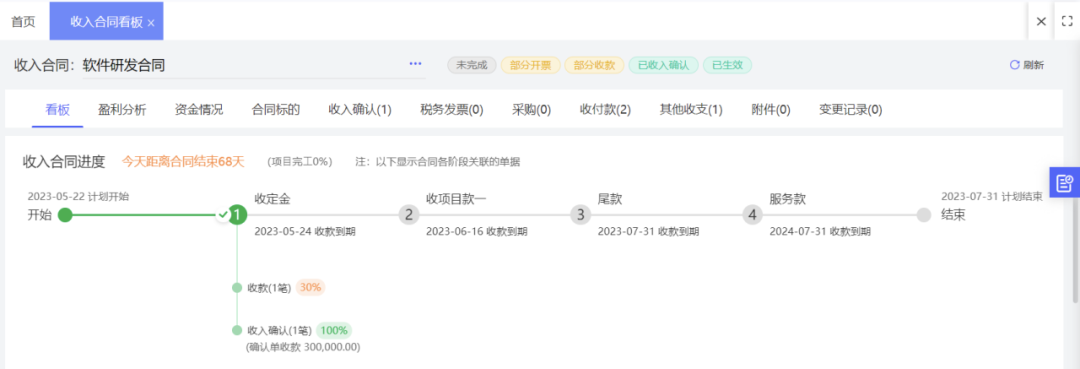
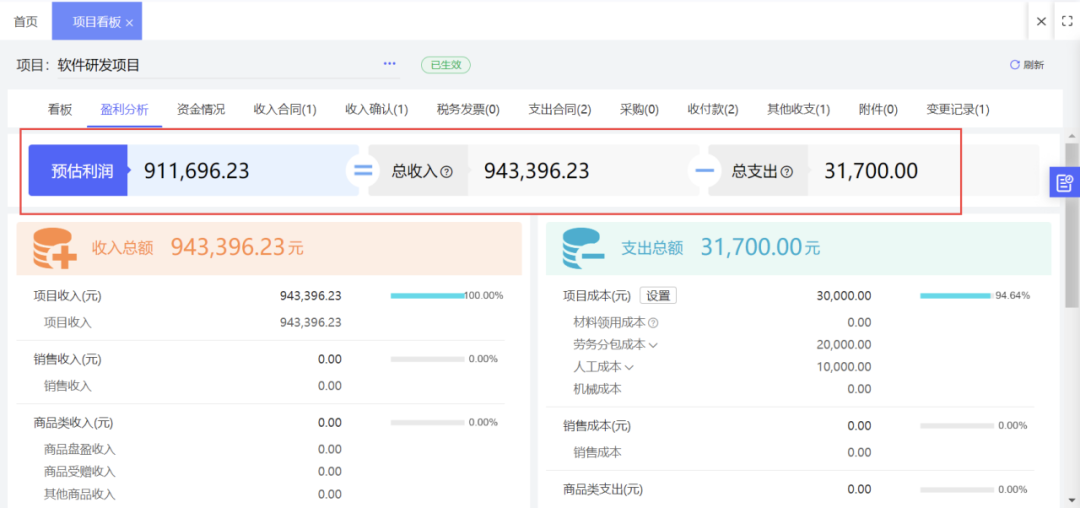
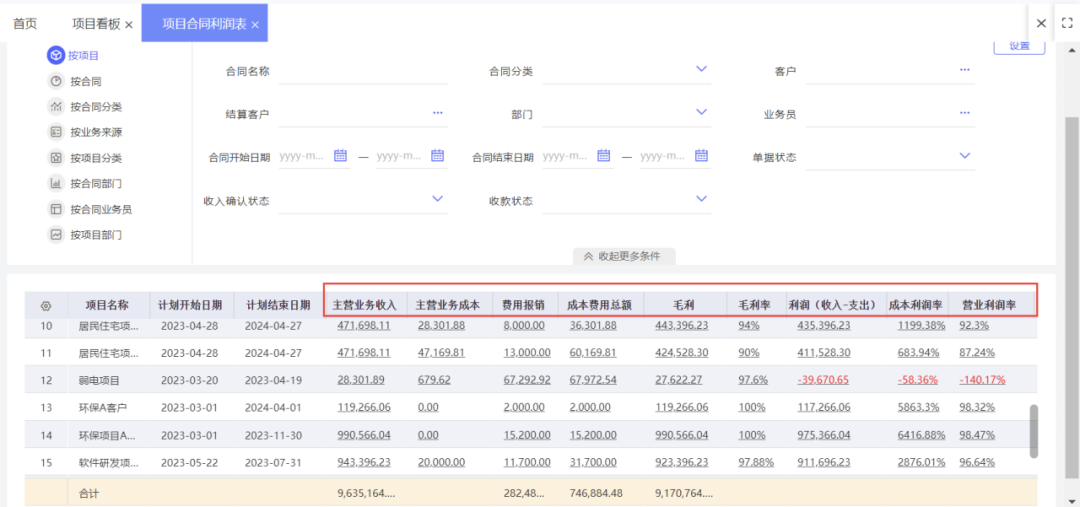
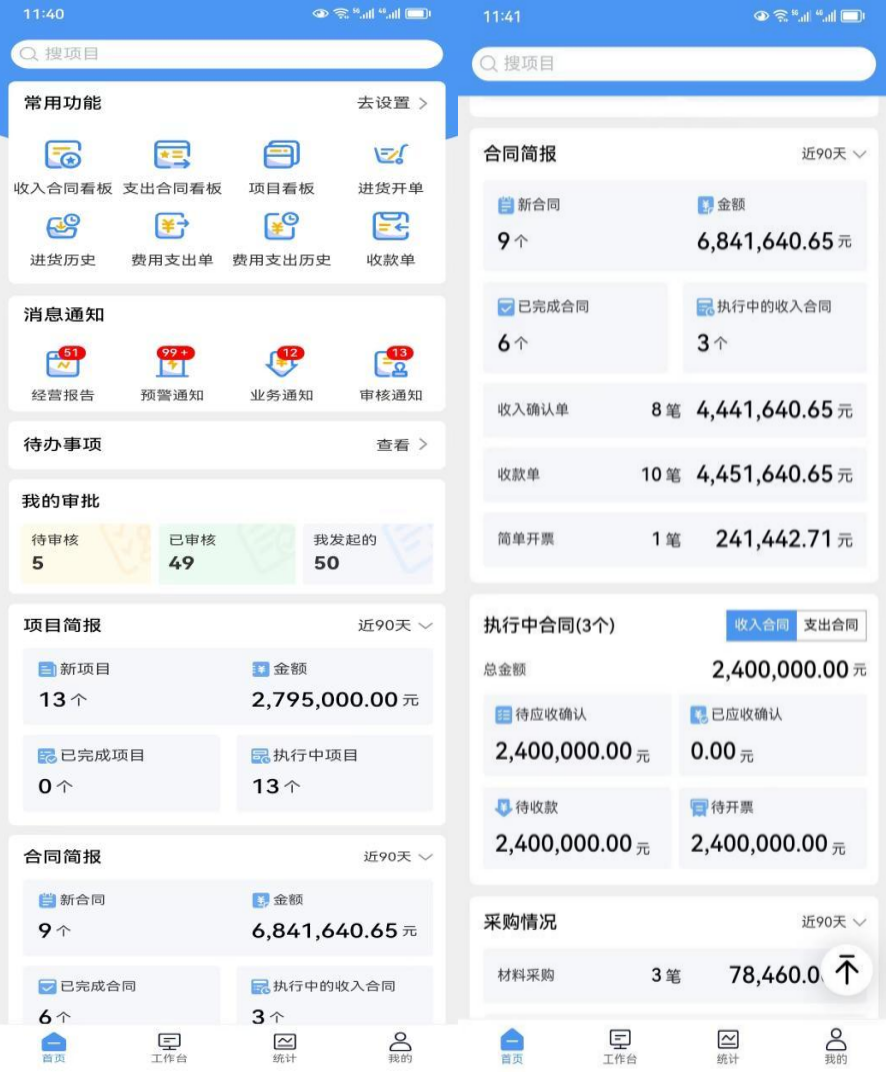
The platform's project management module shows each project's stage and progress in real time, with owners and timelines attached to every step. Owners and finance watch delivery advance and can trigger billing at the right moment instead of chasing status after month-end, when leverage with the client has faded.
Automatic collection of project cost
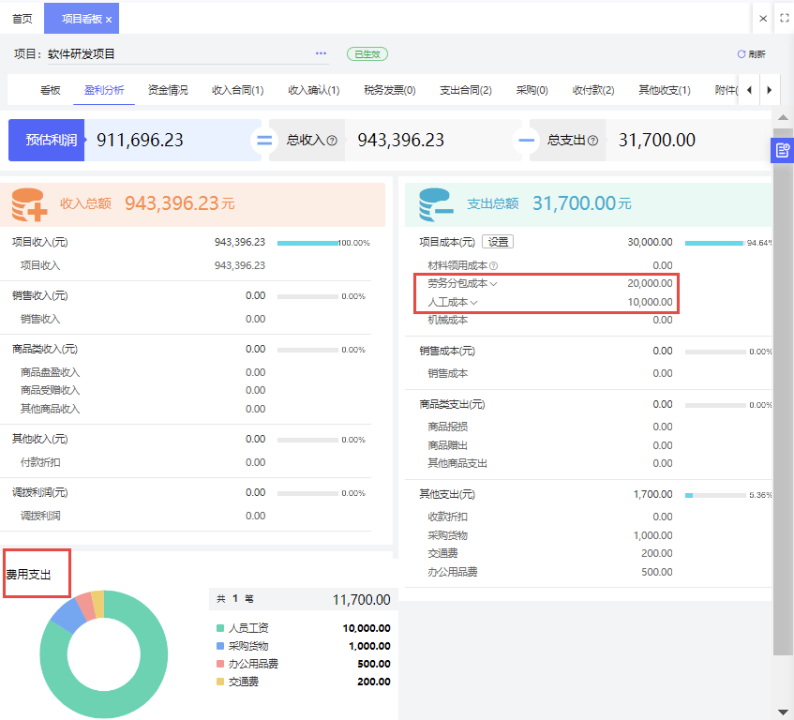
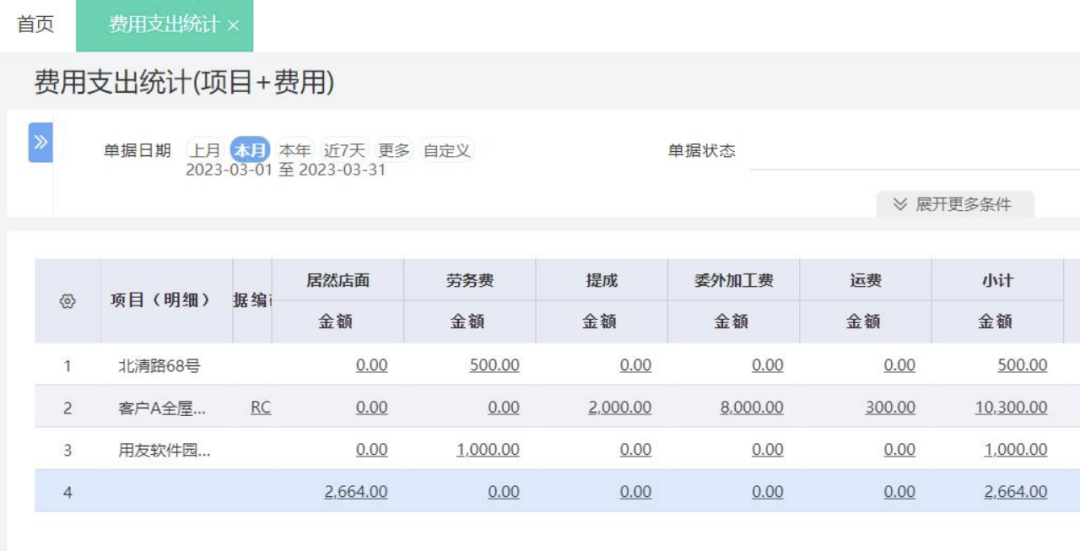
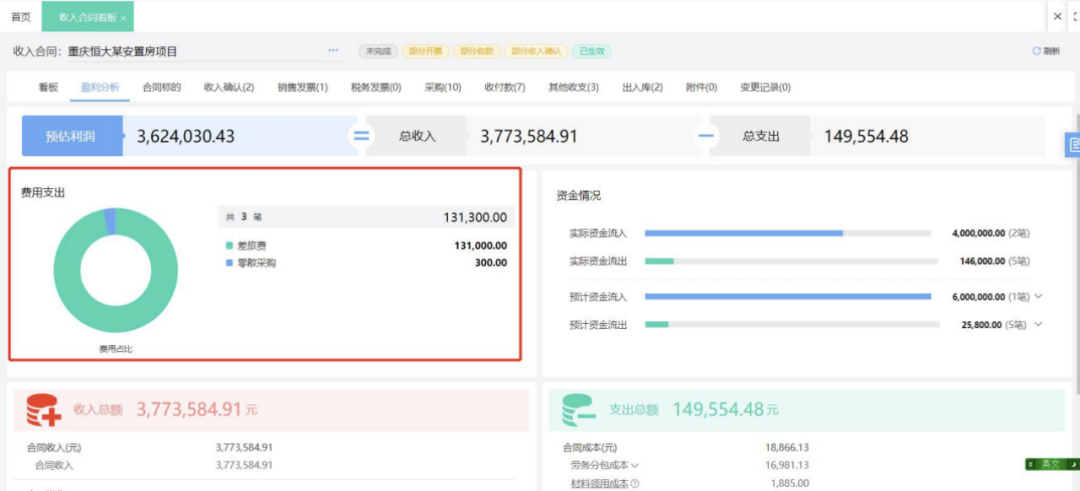
The suite collects project cost in real time across three streams: internal labor from timesheets, outsourced labor from contractor bills, and employee reimbursement from expense claims. Each is tagged to the project automatically, so the running cost of any engagement is always current rather than reconstructed at close.
Collection reminders that protect cash
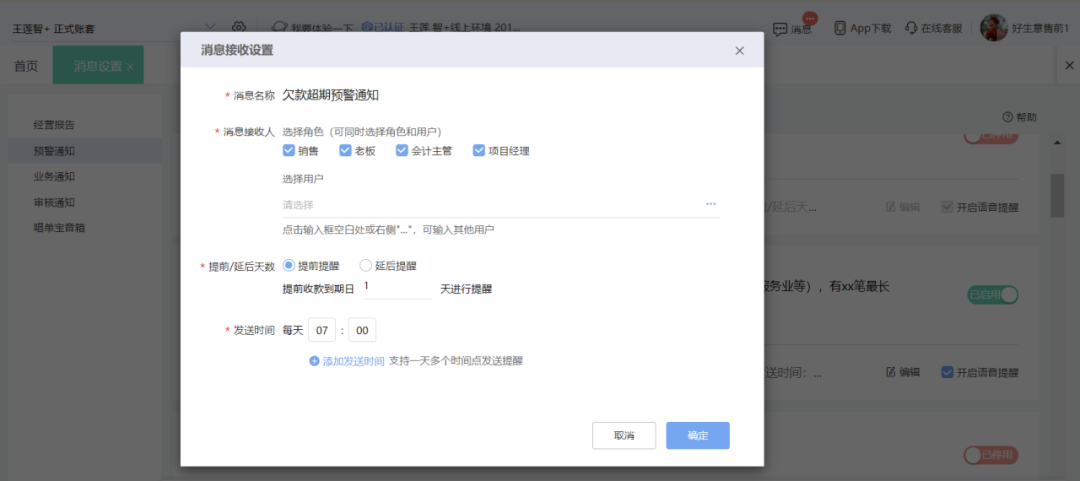
The system issues project collection reminders so finance follows up before receivables age, keeping the development pipeline funded. A single missed invoice can stall payroll, so the early nudge protects both cash and the team's confidence.
Project-finance integration in one system
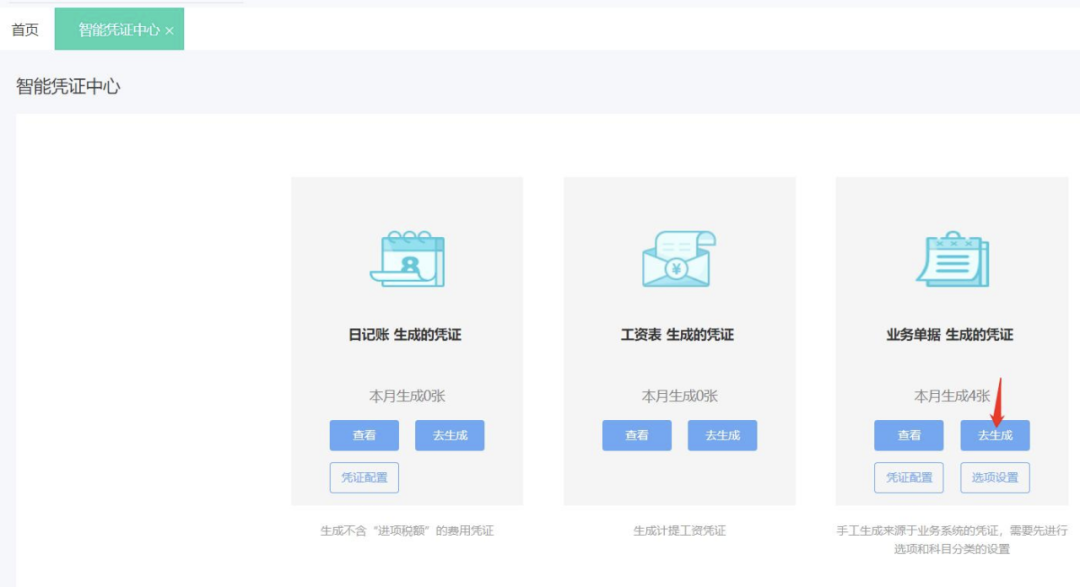
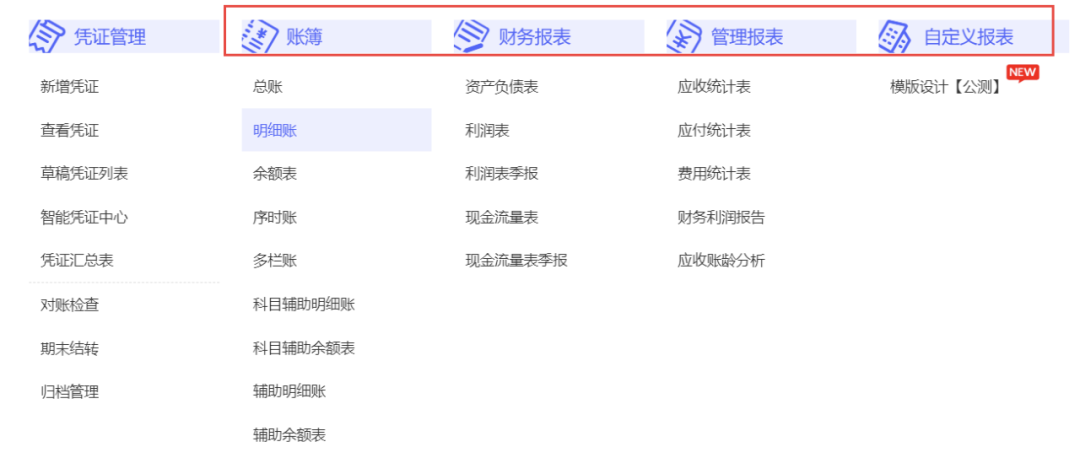
By unifying project management and finance, the platform delivers integrated project-finance accounting and raises the efficiency of financial close, replacing guesswork with a single source of truth. The same number serves the project manager and the controller, so arguments about whose figure is right simply stop.
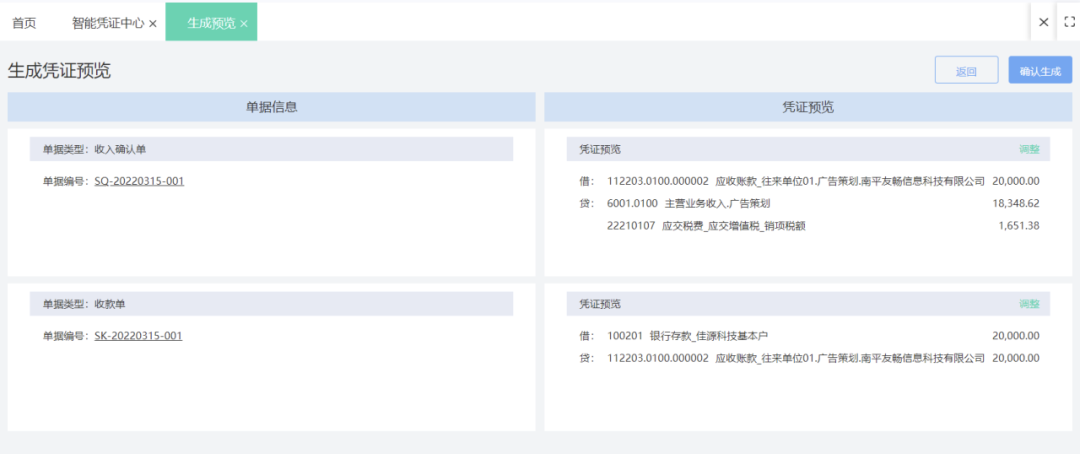
DingTalk OA approvals generate expense records
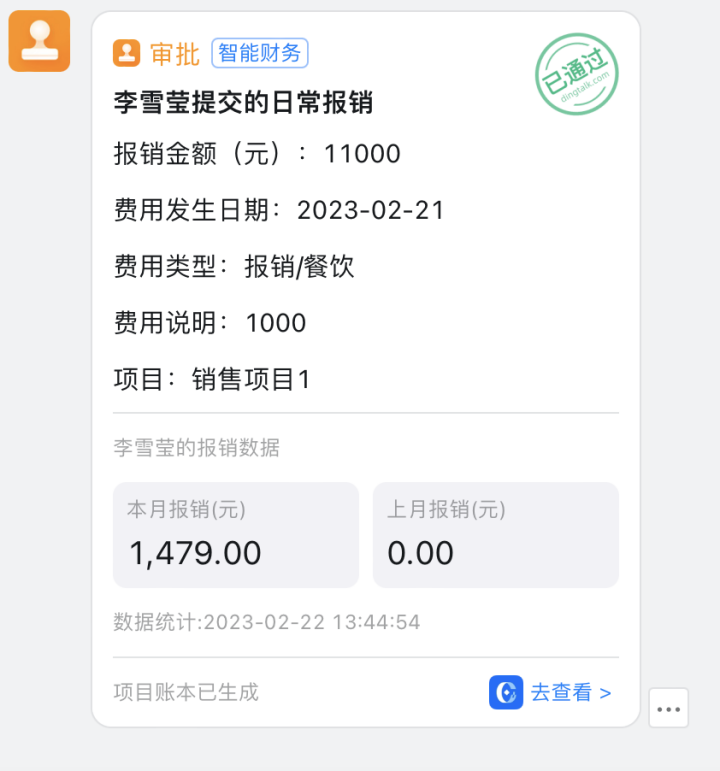
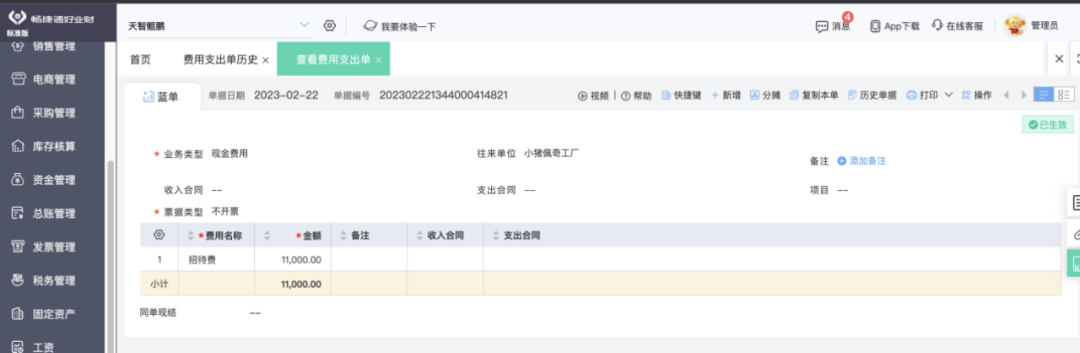
The decisive win was connecting DingTalk. OA approvals inside DingTalk are linked to the software so that an approved request automatically generates an expense disbursement record. Teams keep working in DingTalk while finance receives clean, pre-validated entries with no re-keying.


Measurable Results
Finance that keeps pace with delivery
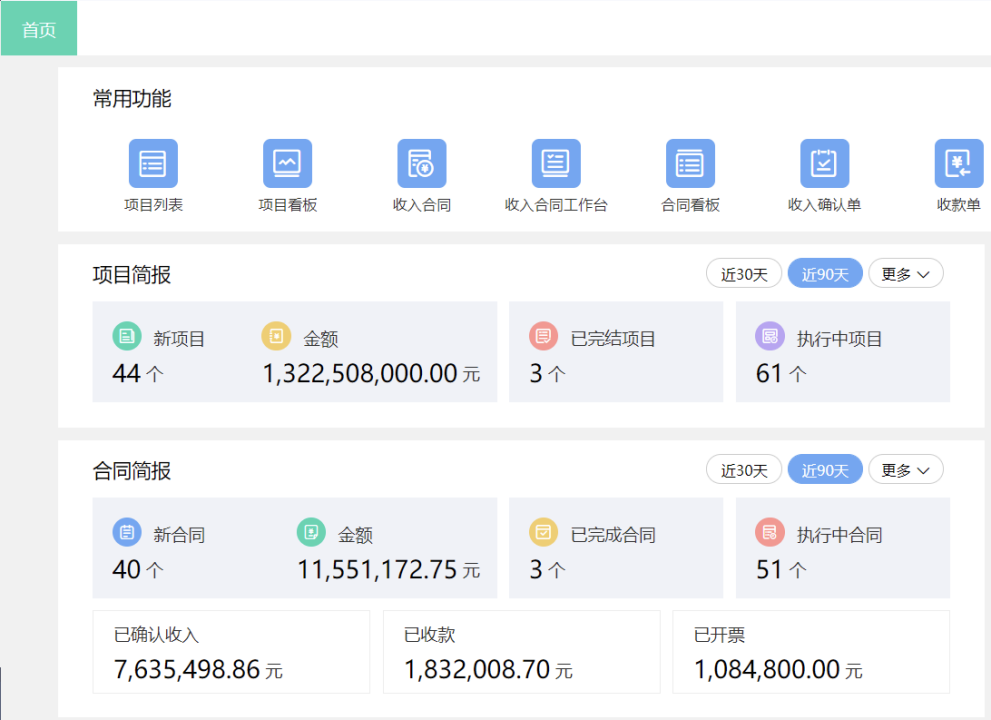
Progress, cost and collection status now move together in one system, so management sees live project margin instead of a stale monthly snapshot. The finance team spends less time assembling data and more time analyzing it.
Approval effort cut through DingTalk
Because DingTalk OA approvals flow straight into expense records, the double-entry of approved spending disappears. Employees and approvers stay in the tool they already use, and finance receives consistent, auditable entries.
Reimbursements that close themselves
With approvals, cost capture and ledger entries linked end to end, employee reimbursements no longer sit in a pending pile. Staff are paid back faster, and finance no longer juggles a separate spreadsheet of claims that never quite matched the ledger.
Conclusion
This R&D firm shows that industry-finance integration does not require abandoning familiar collaboration tools. By meeting the team inside DingTalk and automating cost collection and approvals, the ERP suite turned project delivery and finance into one continuous, real-time loop. The result is a finance function that finally speaks the same language as the engineers shipping the work. For a firm paid to turn ideas into software, that alignment is the quiet advantage behind every on-budget delivery.
Related reading
Solving Apparel Wholesale Pain Points with Online Selection and Smart Warehousing
An apparel wholesaler cut order-entry time, reduced churn, and tamed multi-warehouse picking with a cloud ERP. Online selection and attribute cataloging streamlined the flow.
Read guide →Customer Case StudyAustralia Frozen Meat Processor: Accurate Costing for Whole-Chicken Cutting
How a Melbourne frozen-meat processor used ERP barcode, BOM disassembly and batch control to cut receiving time and cost every chicken part precisely.
Read guide →Customer Case StudyHow a Beijing IC Company Achieved Finance–Operations Integration for Precision Management
A Beijing integrated-circuit maker unified purchasing, outsourcing, kit sales, and accounting in one ERP, automating cost allocation and cutting month-end close effort.
Read guide →