How a Changzhou Electronics Firm Unified Dual-Warehouse and Cost Control
A Changzhou electronics maker exporting to Europe fought dual-warehouse chaos and opaque orders. Real-time warnings and allocated costing delivered clear control.
Company Profile / Background
The subject is a Changzhou-based technology company focused on research, development, and manufacturing of electronic equipment. Its product line spans electronic instruments and PCB assembly, and it operates a make-to-order model covering R&D, purchasing, production, and sales. Products ship to domestic and overseas markets, with export customers concentrated in Europe. In an industry defined by fast iteration, many components, complex supply tiers, and high customization, the company's growth depended on tightening control rather than expanding headcount. Two warehouses and a mixed order book meant that even small lapses in stock visibility rippled straight into missed ship dates, so the control question was never optional.
Core Challenges
Dual-Warehouse Stock Chaos and Late Replenishment
The firm managed two inventories, a customer-dedicated warehouse and its own, but spreadsheets could not separate customer consignment from owned stock. The customer warehouse had no minimum-stock alert, so critical materials often ran short and halted production. Warehouse staff confirmed levels by frequent phone calls; information lagged and erred, replenishment slipped, and delivery commitments were endangered.
Opaque Order Execution and Weak Coordination
Sales, purchasing, and production each kept independent Excel files with no real-time view of a sales order's build or procurement status. Staff asked around by group chat and phone, and management caught delays only when customers chased, reacting to complaints instead of preventing them.
Hard Cost Allocation and Coarse Costing
R&D fees, tooling, and export rebates were painful to compile; finance hand-sorted vouchers and spread them to orders. Without systematic cost management, per-order profitability was too coarse to evaluate, hurting pricing and decision accuracy.
How the System Solved It
Using the ERP suite's multi-warehouse and business-finance integration, the company built a coordinated digital management system.
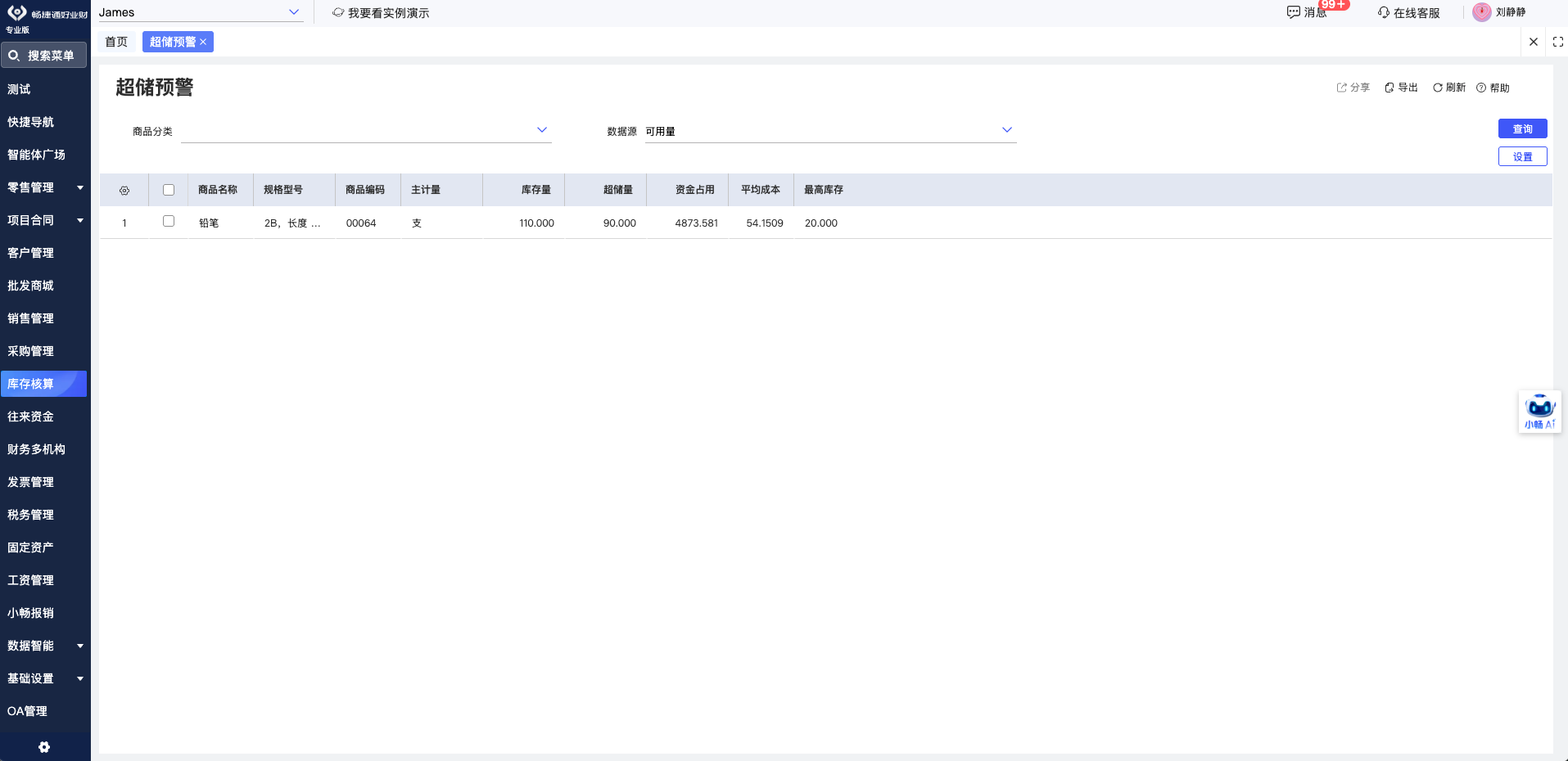
Smart Dual-Warehouse Control with Stock Warnings
Two clearly separated warehouses, customer-specific and owned, remove confusion about ownership and use. An overstock (minimum-threshold) warning on the customer warehouse auto-triggers when stock falls below safety, ensuring timely replenishment of key materials. Warehouse staff query both warehouses in real time by material, batch, or supplier, lifting accuracy.
Why Minimum-Stock Warnings Matter
A customer warehouse exists to keep a buyer's production line fed, so an empty bin there is not a warehouse problem but a relationship problem. The warning turns a crisis call into a routine replenishment, because the system speaks before the human notices, and that single alert protects both the shipment and the account.
Transparent Order Execution Across Functions
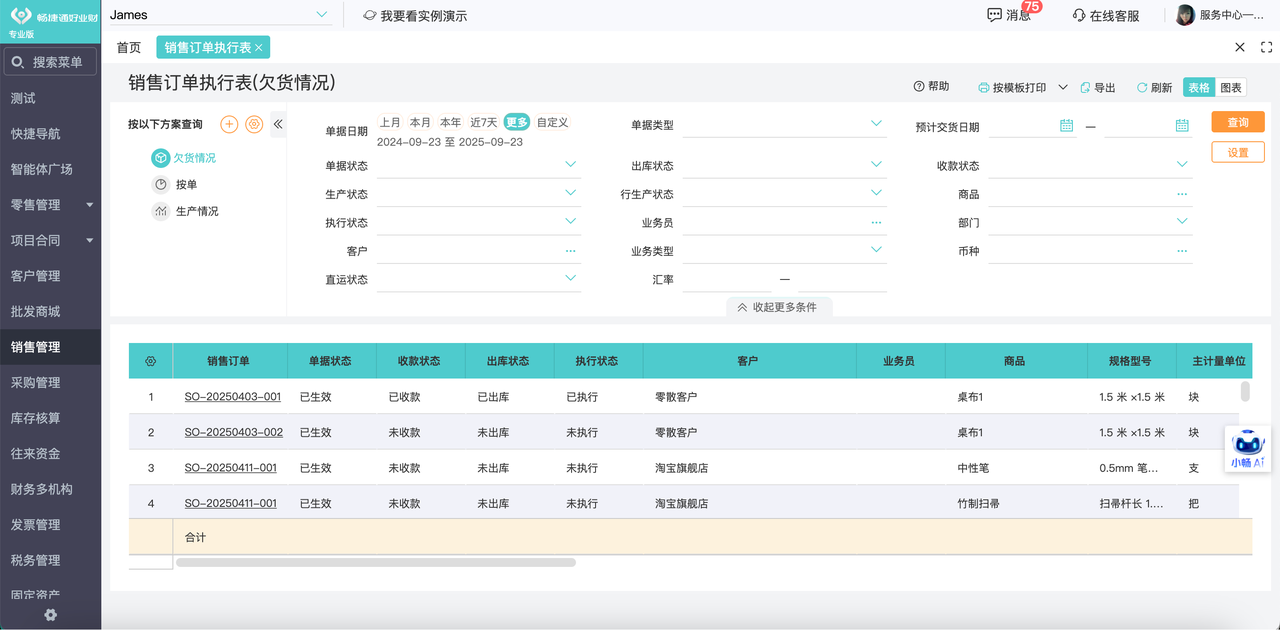
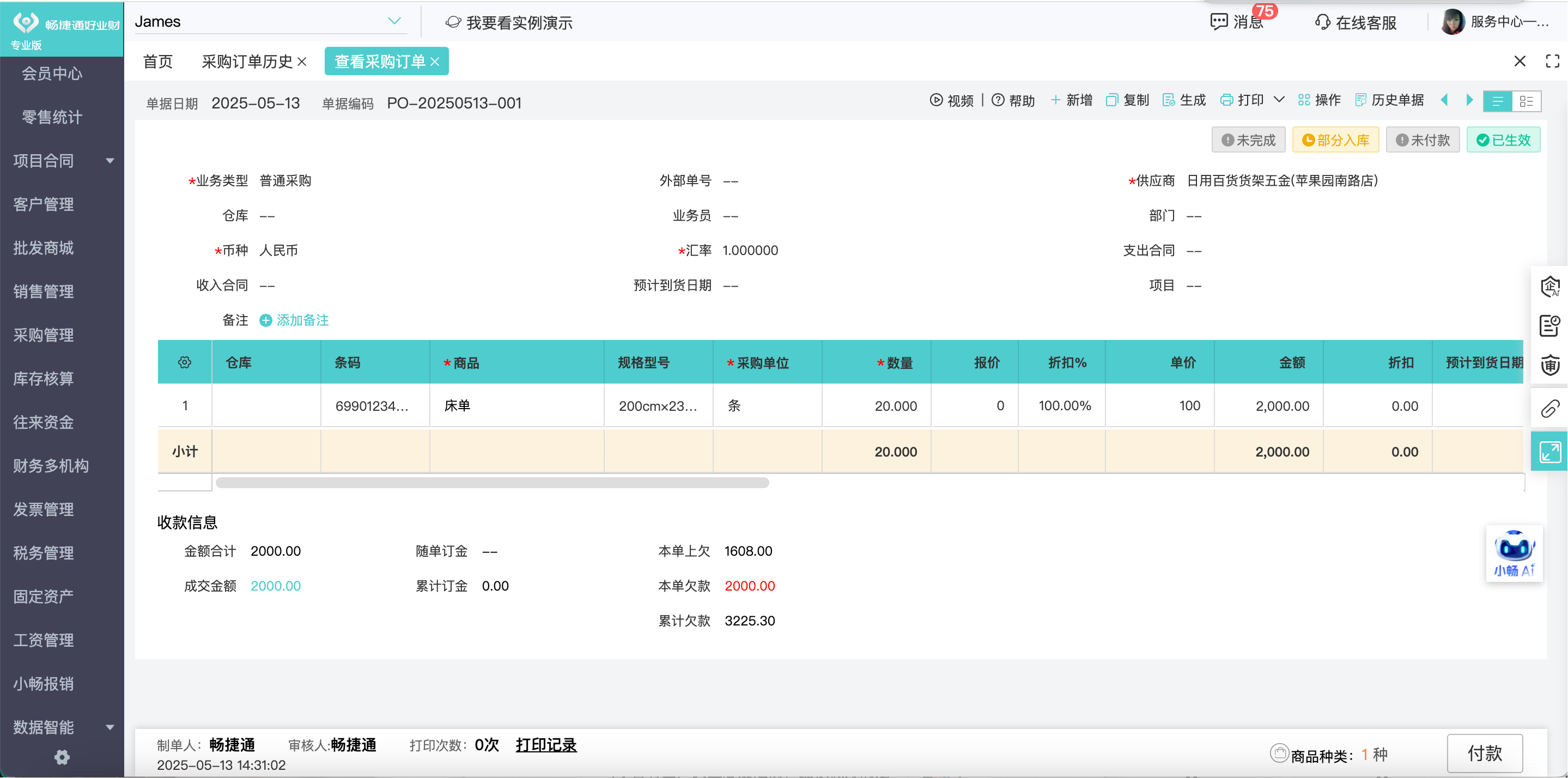
The sales order execution table monitors each order's production progress, shipped quantity, and collection status, erasing blind spots. Purchase orders create a standard flow with lead-time and arrival-date alerts so materials arrive complete. DingTalk integration pushes key-node messages to the right people, raising cross-team efficiency.
Precise Cost Allocation and Multi-Currency Finance
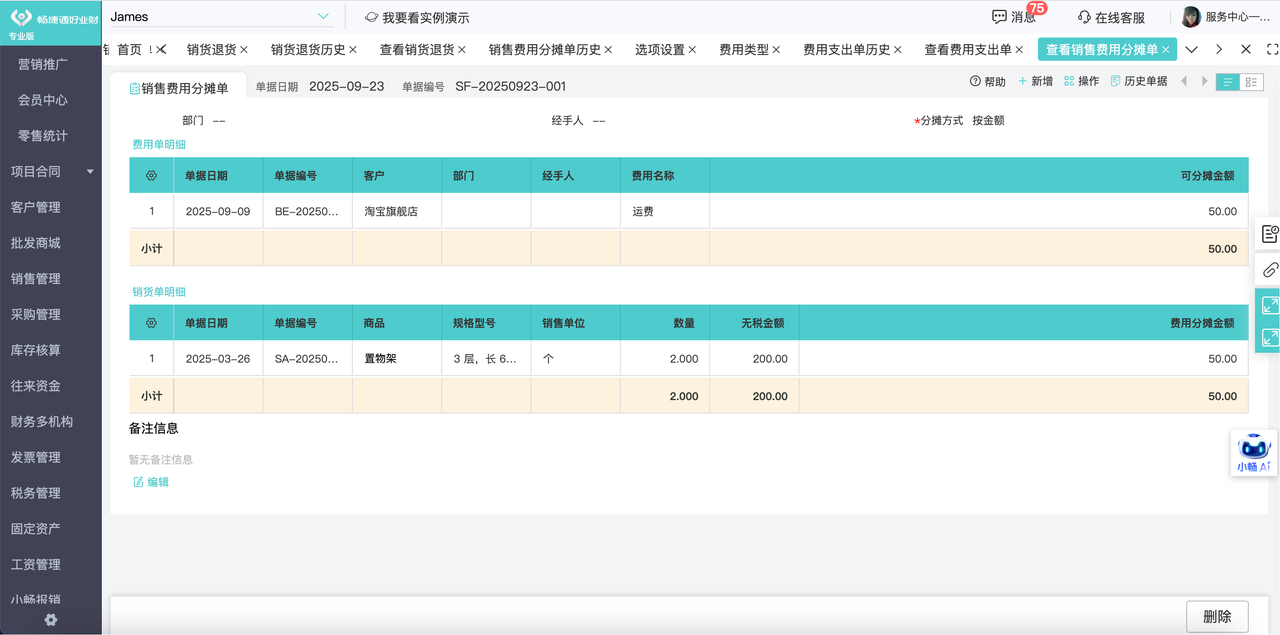
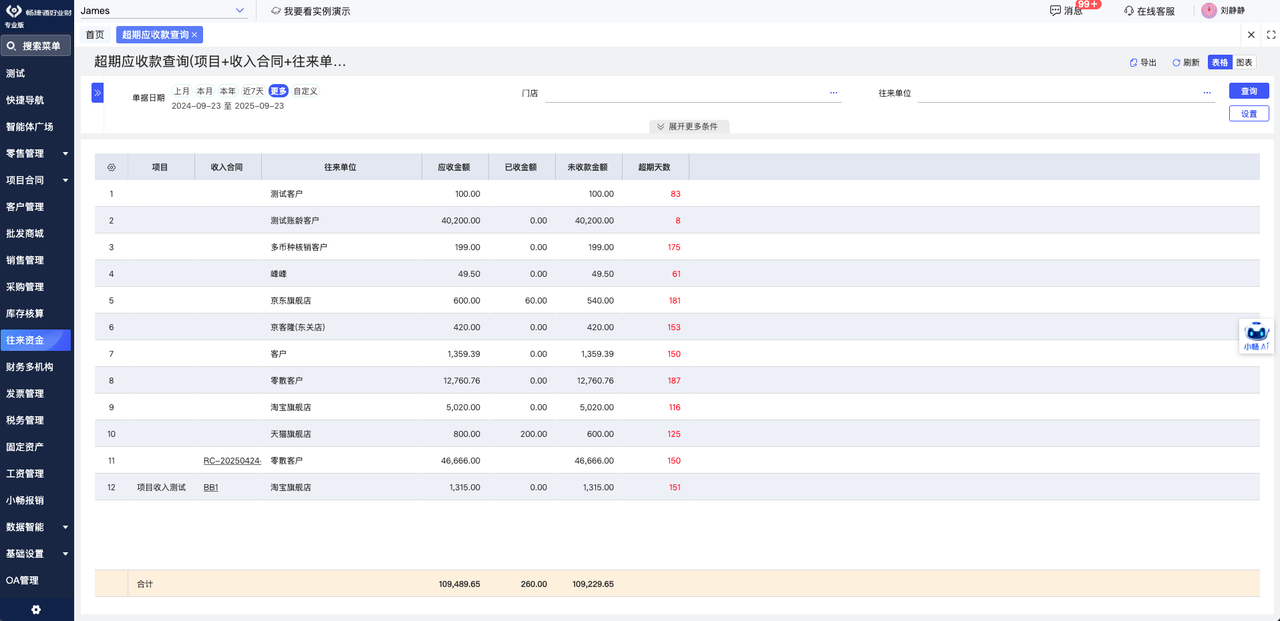
A sales-expense allocation document spreads R&D, tooling, and freight to specific orders by preset rules, sharpening cost detail. The overdue-receivable query catches aging accounts and builds a systematic collection-alert mechanism to lower bad-debt risk. Dual-currency (USD/RMB) management auto-handles exchange conversion for export needs.
Measurable Results
Inventory Turnover Lifted by Coordinated Warehousing
Separating the two warehouses and warning on low stock prevents shortage-driven stoppages. Real-time queries cut both overstock and shortfall risk, raising turnover and capital use. Because the customer warehouse is no longer a black hole, planners trust the numbers and stop padding orders with buffer stock they do not need.
Customer Satisfaction Up Through Transparency
Lifecycle order visibility lets every team spot and fix risk early. With DingTalk prompts at key nodes, cross-department coordination improves and on-time delivery, and satisfaction, rises. The export customers in Europe, who plan their own production around promised dates, notice the difference and reward it with repeat orders.
Accurate Profit from Fine-Grained Costing
Allocating R&D and tooling costs lifts costing from order level to product level. Paired with receivable control, management gains a true profitability view to optimize pricing and decisions. Previously the firm could only guess which European SKUs earned money; now the answer is in the report.
Conclusion
Beyond fixing dual-warehouse chaos, opaque orders, and rough costing, the deployment gave the company a coordinated, precisely controlled digital operation. For electronics manufacturers competing on margin, that foundation is what sustains growth. With every warehouse and every cost line in one view, managers finally trust the numbers they see each morning. With every warehouse and every cost line in one view, managers finally trust the numbers they see each morning.

Related reading
Solving Apparel Wholesale Pain Points with Online Selection and Smart Warehousing
An apparel wholesaler cut order-entry time, reduced churn, and tamed multi-warehouse picking with a cloud ERP. Online selection and attribute cataloging streamlined the flow.
Read guide →Customer Case StudyAustralia Frozen Meat Processor: Accurate Costing for Whole-Chicken Cutting
How a Melbourne frozen-meat processor used ERP barcode, BOM disassembly and batch control to cut receiving time and cost every chicken part precisely.
Read guide →Customer Case StudyHow a Beijing IC Company Achieved Finance–Operations Integration for Precision Management
A Beijing integrated-circuit maker unified purchasing, outsourcing, kit sales, and accounting in one ERP, automating cost allocation and cutting month-end close effort.
Read guide →