Equipment Financing-Lease Firm Automates Repayment Reminders and Receivable Tracking
An equipment financing-leasing firm automated repayment-date reminders, progress-based disbursements and per-customer receivable and invoice tracking with the platform.
Company Profile / Background
A financing-leasing company provides equipment and vehicles to customers under lease contracts, collecting regular repayments over the life of each asset. The business model looks simple on paper but is operationally intense: every contract has its own repayment schedule, disbursements are released against project progress, and the firm must track cost, expense and receivables down to each customer and often each financed vehicle. A single misfiled date or double payment can ripple into a dispute, so before improvement those moving parts were tracked by hand at real risk.
Core Challenges
Repayment dates scattered and easy to miss
Each lease carries a different repayment day, and some customers pay monthly while others pay on bespoke dates. With portfolios spanning hundreds of contracts and vehicles, staff relied on calendars and memory to chase due dates, and missed or late reminders damaged both cash flow and customer trust.
Disbursements tied to progress, not intuition
Funds are released by project progress rather than all at once, so the finance team needed a disciplined way to record progress and issue progress-based payment vouchers without double-paying or paying ahead of milestones. On a large asset, releasing too early ties up cash and releasing too late strains the supplier relationship.
Cost, expense and receivable detail fragmented
Managers wanted cost and expense detail per contract, plus the ability to query accounts receivable and invoice status by customer, and by customer plus each individual vehicle. That level of detail was impossible to assemble quickly from scattered records, so pricing decisions were made with only a partial picture of risk.
How the System Solved It
The firm adopted the HaoYeCai cloud ERP suite (the ERP product by Chanjet) to hold every lease as a contract with its schedule, progress and receivables attached. With the data in one place, the repetitive but critical tasks, reminders, disbursements and queries, run themselves instead of depending on memory.
Repayment-date reminders on autopilot
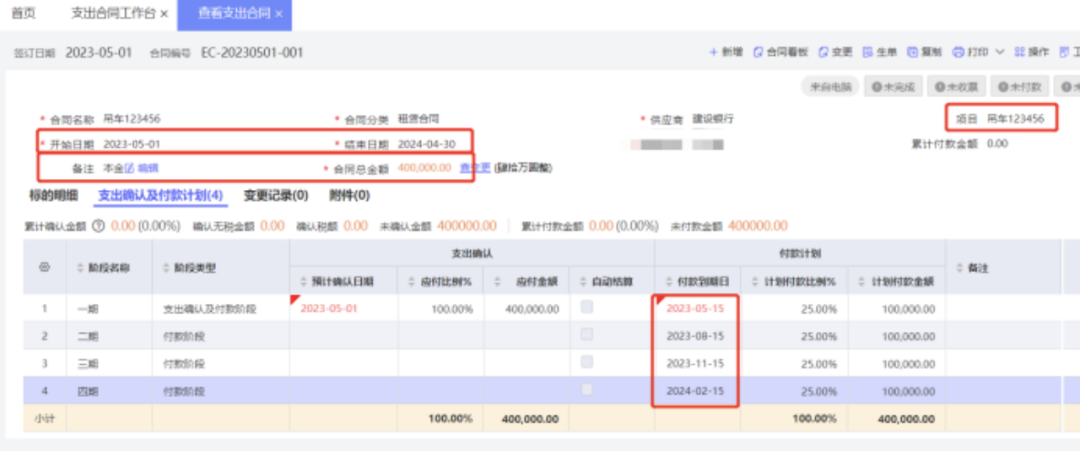
The platform holds each contract's repayment schedule and surfaces due dates through reminders, so collectors are prompted before a payment is late rather than after a complaint. The risk of overlooked installments drops sharply, customer communication becomes consistent, and the collections team spends its time calling rather than hunting for dates.
Progress-based disbursement control
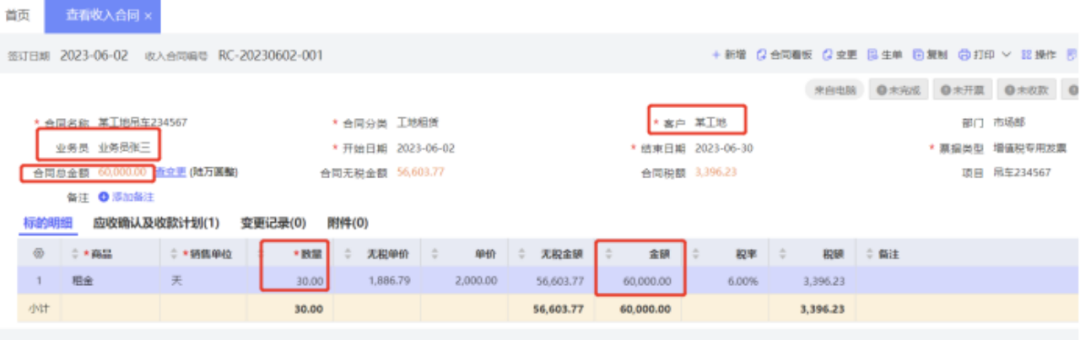
Disbursements are recorded against verified progress and turned into payment vouchers inside the system, giving a clear, auditable link between milestone, amount released and remaining commitment. Auditors and managers can trace any payment back to the work it funded in seconds.
Cost and expense detail per contract
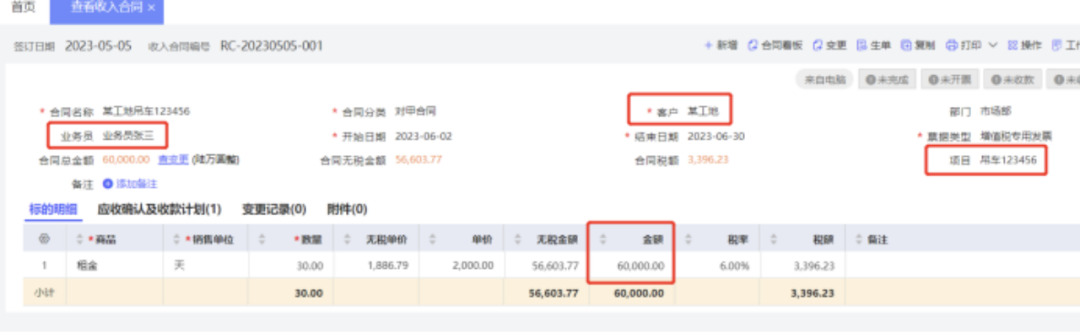
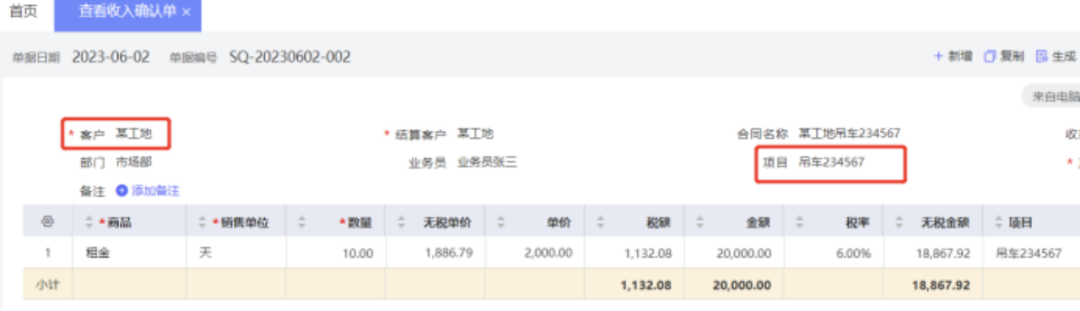
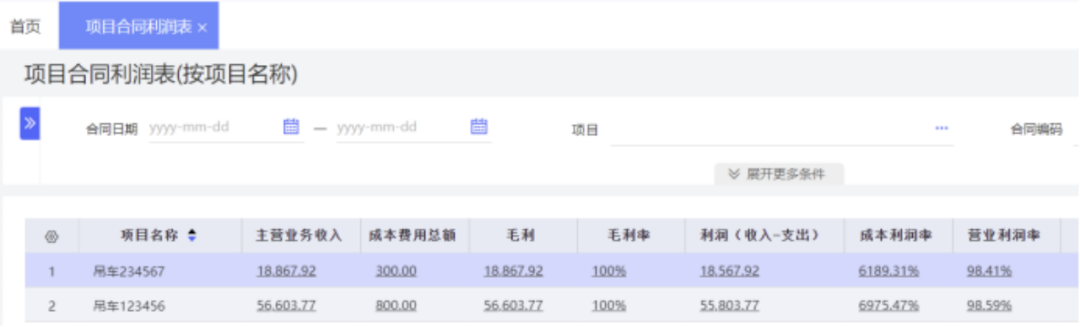
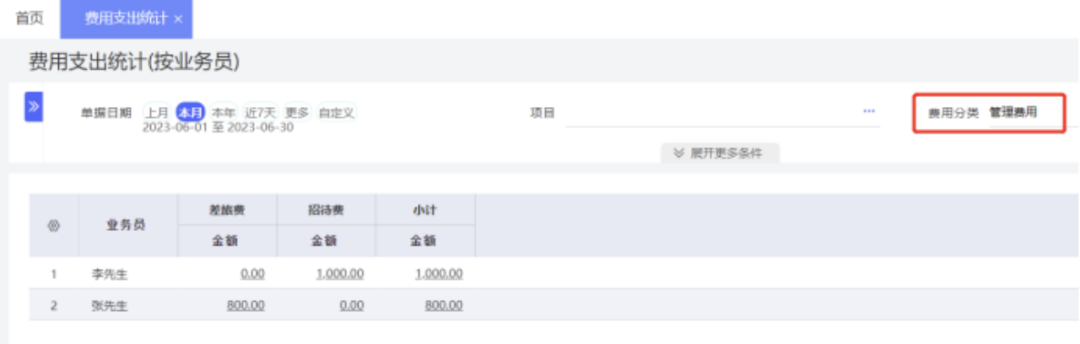
Financing cost, service fees and operating expenses are captured against each contract, so the true profitability of a lease is visible rather than buried in a general ledger. The firm can tell at a glance which products and which customer segments actually pay back.
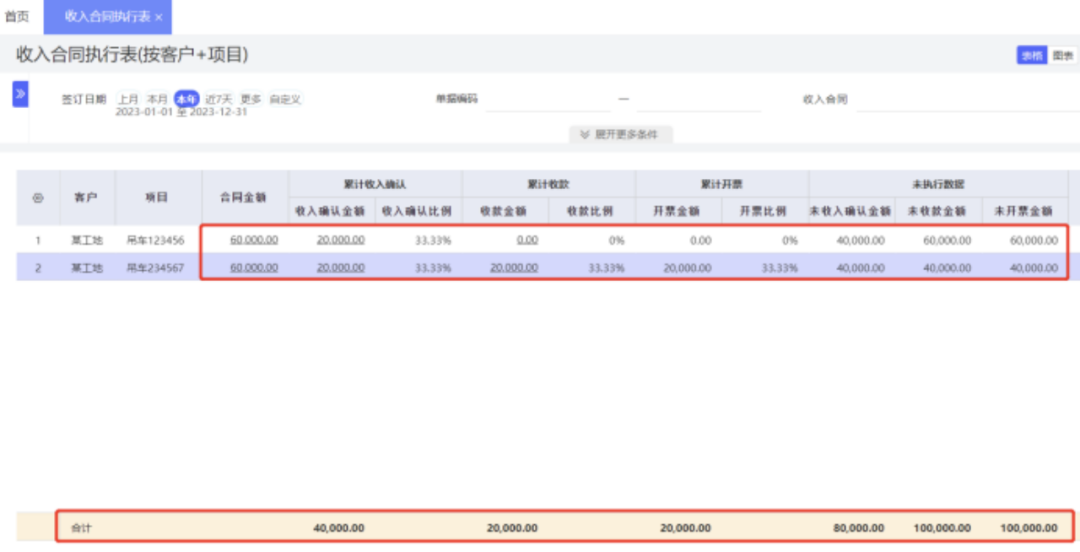

Receivables and invoices by customer and by vehicle
The system lets the team query accounts receivable and invoice status by customer, or by customer plus each individual vehicle, exactly as operations require. Collectors walk into a call knowing precisely what is owed and what has been billed.

Measurable Results
Fewer missed repayments, cleaner audits
Automated reminders make due dates hard to miss, progress-based vouchers keep disbursements disciplined, and contract-level cost tracking exposes the real margin of each lease. Together these remove the manual guesswork that previously put cash flow at risk.
Collectors armed with exact data
Querying receivables and invoices by customer or by vehicle gives the collection team a precise position before every call, which shortens dispute cycles and improves recovery rates across the portfolio.
A portfolio the board can trust
Because due dates, progress, cost and receivables sit in one contract view, management can report the health of the lease book at any time without a fire drill. The same view supports audit requests and investor questions, turning compliance from a scramble into a standing report.
Conclusion
For a financing-leasing business, control lives in the details: due dates, milestones, costs and receivables. By automating repayment reminders, progress disbursements and per-customer or per-vehicle receivable tracking, the platform turns a fragile manual process into a reliable, auditable operation. The firm can now grow the portfolio without growing the risk that comes from losing track of a single contract, which is the whole point of running leases at scale.
Related reading
Solving Apparel Wholesale Pain Points with Online Selection and Smart Warehousing
An apparel wholesaler cut order-entry time, reduced churn, and tamed multi-warehouse picking with a cloud ERP. Online selection and attribute cataloging streamlined the flow.
Read guide →Customer Case StudyAustralia Frozen Meat Processor: Accurate Costing for Whole-Chicken Cutting
How a Melbourne frozen-meat processor used ERP barcode, BOM disassembly and batch control to cut receiving time and cost every chicken part precisely.
Read guide →Customer Case StudyHow a Beijing IC Company Achieved Finance–Operations Integration for Precision Management
A Beijing integrated-circuit maker unified purchasing, outsourcing, kit sales, and accounting in one ERP, automating cost allocation and cutting month-end close effort.
Read guide →