Five Affiliated Food Companies Run One Integrated Supply Chain on a Single ERP
A catering group with five affiliated firms unified product data, procurement approval, and finance on one cloud ERP. Inter-company supply chain chaos became coordinated.
Company Profile / Background
The group is a Shantou-based catering and food company built around Chaoshan food culture, with beef hot pot at its center. Beyond restaurants, it runs food sales, catering consulting, and hotel management consulting, and its flagship hot pot brand earned a Dianping 2018 Annual Five-Star Merchant award, a rare distinction among restaurants nationwide.
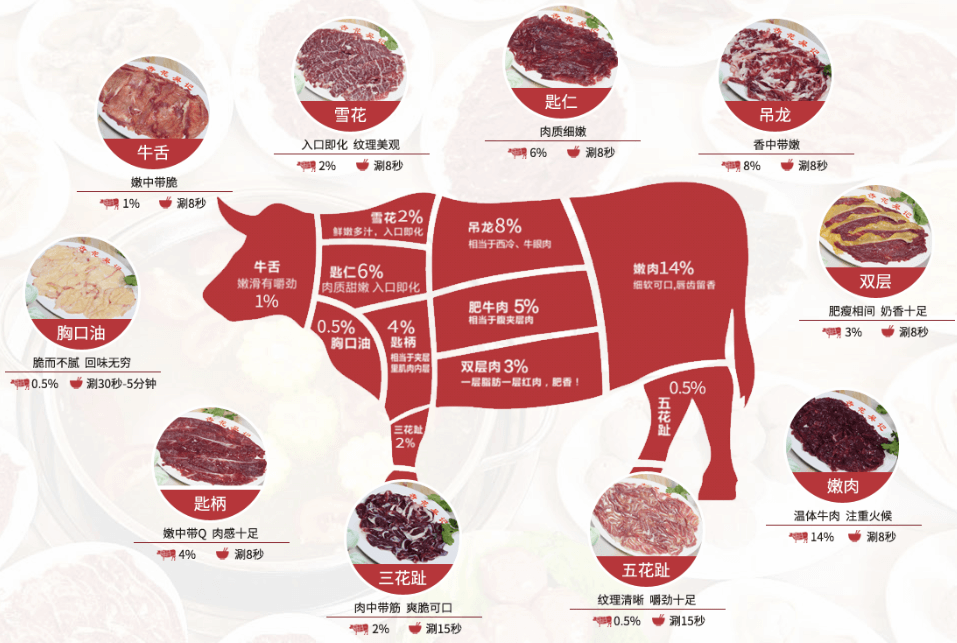
Structurally the group is a family of five affiliated companies: two in food production and sales, two in offline trade, and one in online e-commerce. They buy and sell to each other constantly, so related transactions flowing in every direction made inventory data easy to confuse.
Core Challenges
Related-company data chaos
Many affiliated transactions meant each company's purchase and sales data drifted out of sync, and coordinating across entities was painful. A sale in one company was a purchase in another, and nobody had a single, reliable view.
Missing procurement supervision
Material purchasing ran with little oversight, and that lack of control produced real losses. Spend happened without a clear, enforced approval trail.
Inaccurate inventory from many materials
With a large number of materials and frequent in and out movements, errors crept in and on-hand data lost accuracy, which then fed bad decisions across all five companies.
Inaccurate production costing
Production processes were complex, and costing materials and finished products by hand was neither accurate nor timely.
Slow third-party data entry
Sales data from a third-party system had to be re-keyed slowly, and the lag distorted inventory exactly when it needed to be current.
Split business and finance
Business data and finance data lived apart, so reconciliation was a recurring struggle that consumed staff time without adding clarity.
How the System Solved It
Unified product catalog and purchase-sales coordination
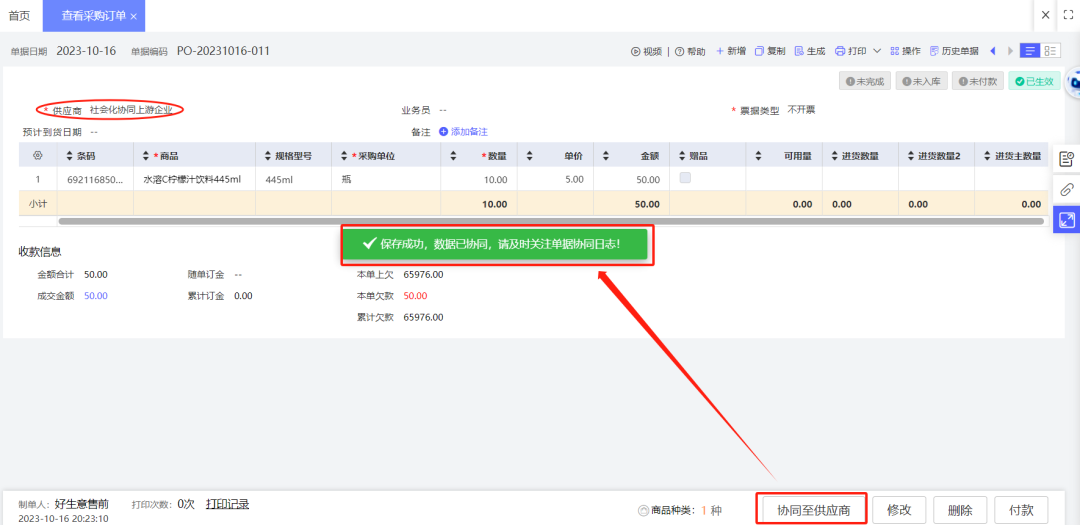
The group deployed the HaoYeCai cloud ERP suite (the ERP product by Chanjet) and first standardized the product catalog across all affiliated companies. With a shared catalog, purchase-sales coordination is one click: a buyer's purchase order becomes the supplier's sales order, the supplier ships against it, and that shipment becomes the buyer's purchase receipt. When received quantity is less than shipped, the gap is handled through outside-system communication with attachments posted to the document.
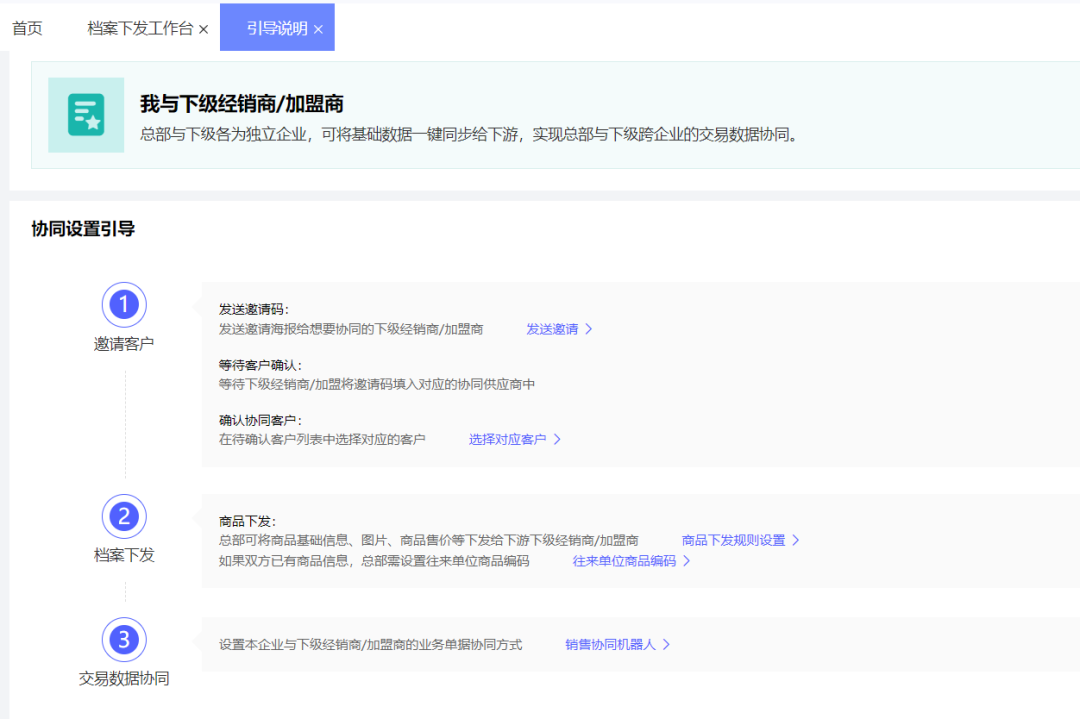
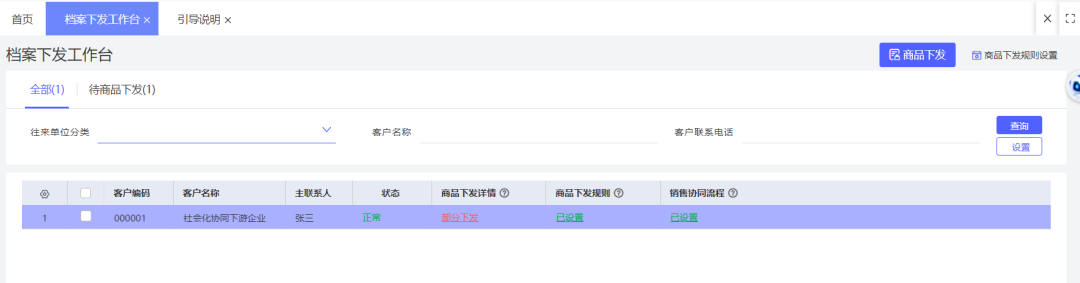
Upstream and downstream companies share a standardized, unified product catalog.
Purchase-sales coordination: the buyer's purchase order becomes the supplier's sales order with one click.
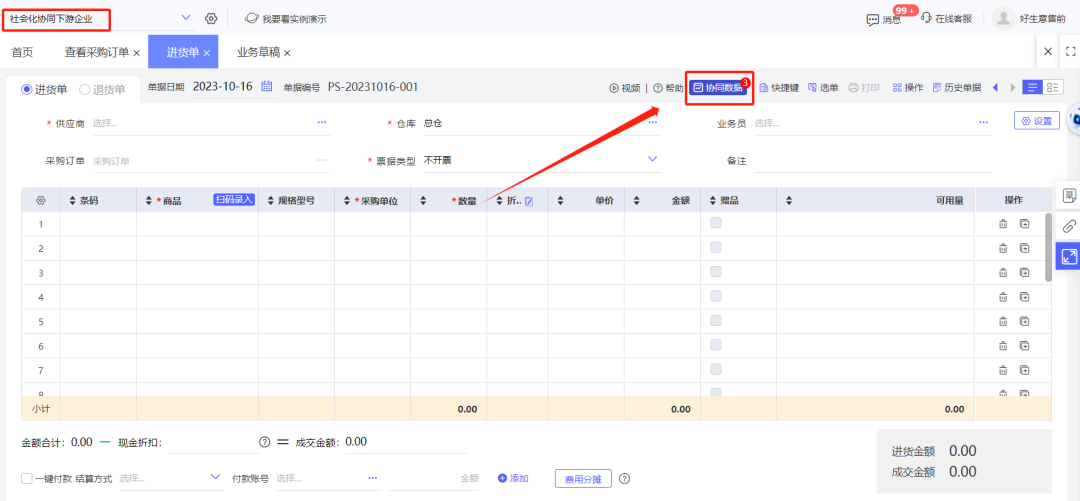
The supplier's system receives the coordinated sales order.
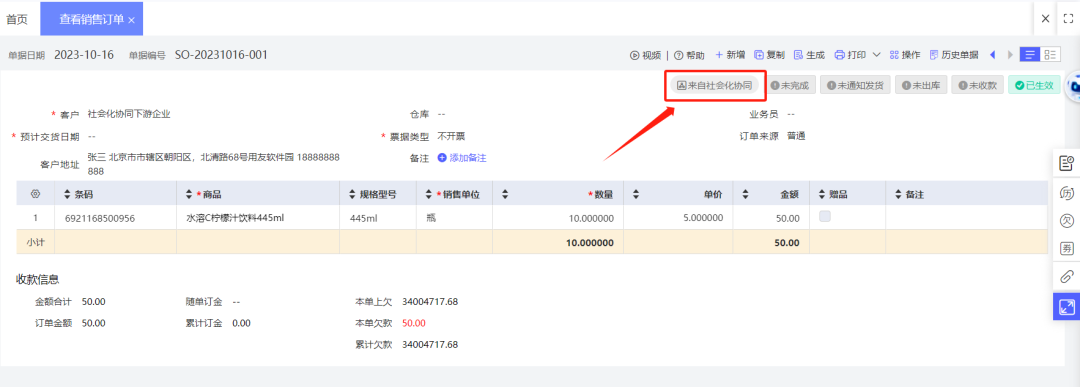
The supplier ships against the sales order, which simultaneously becomes the buyer's purchase receipt.
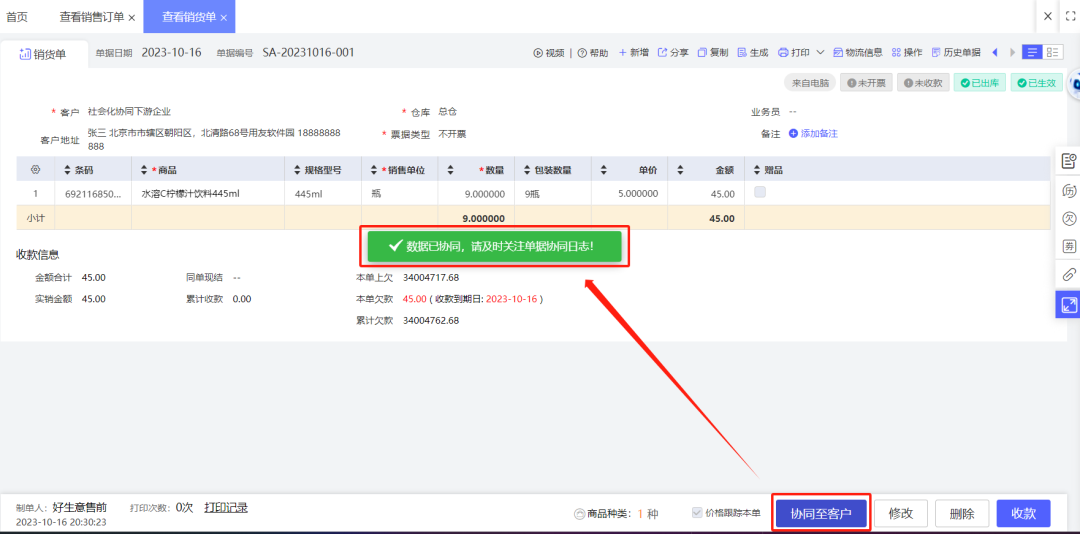
The buyer receives the goods into inventory.
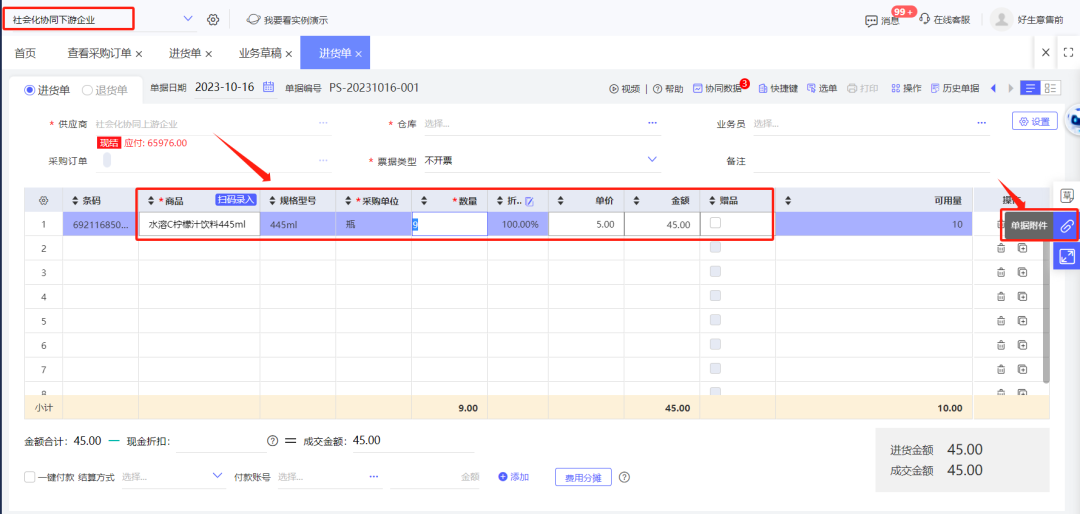
When received quantity is less than shipped, the difference is discussed outside the system with attachments attached to the document.
Approval-controlled material procurement
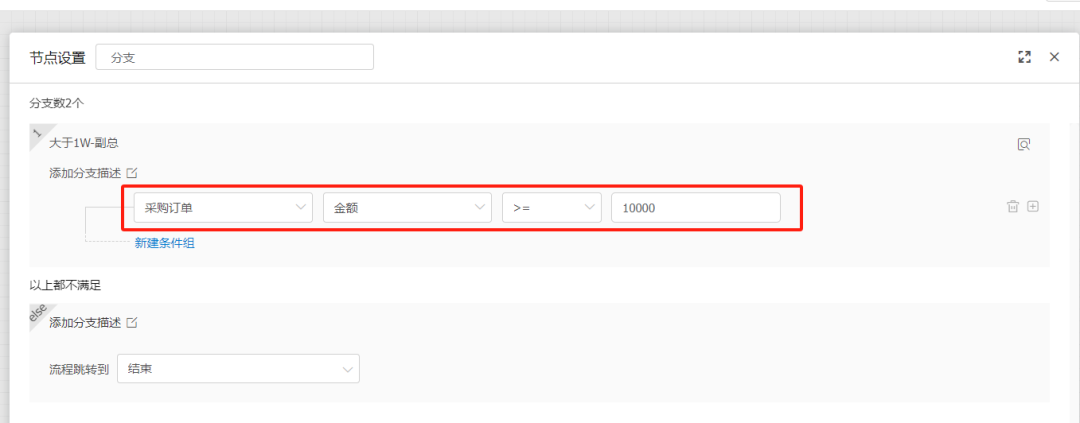
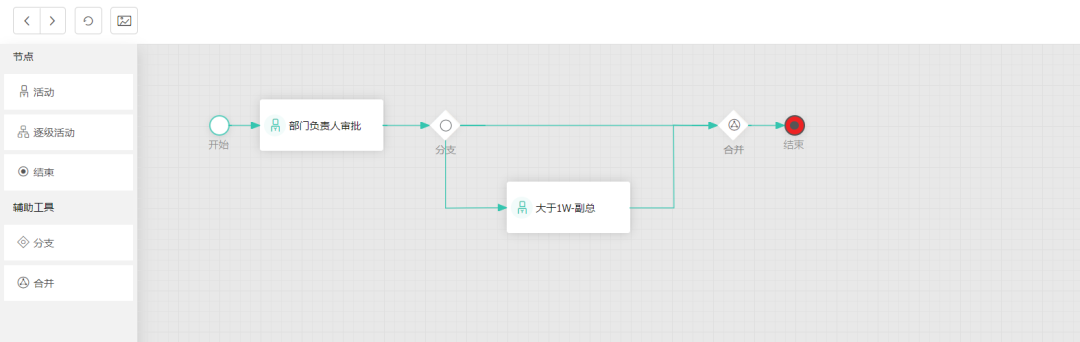
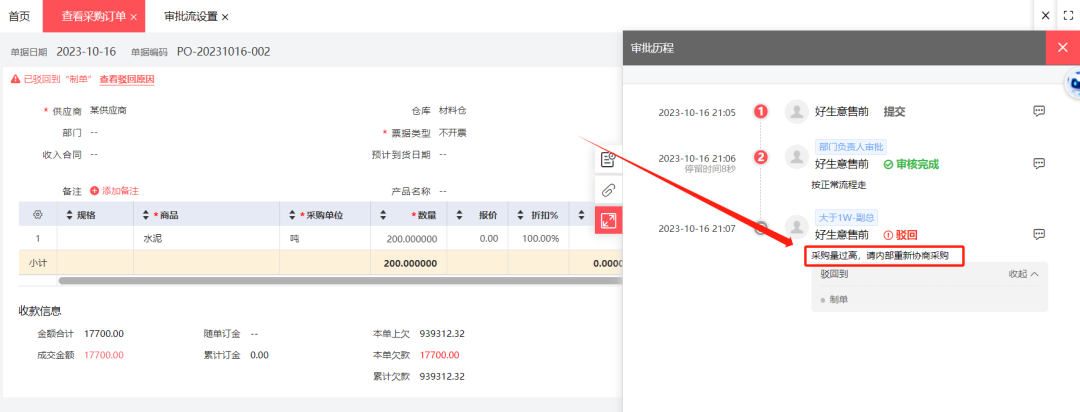
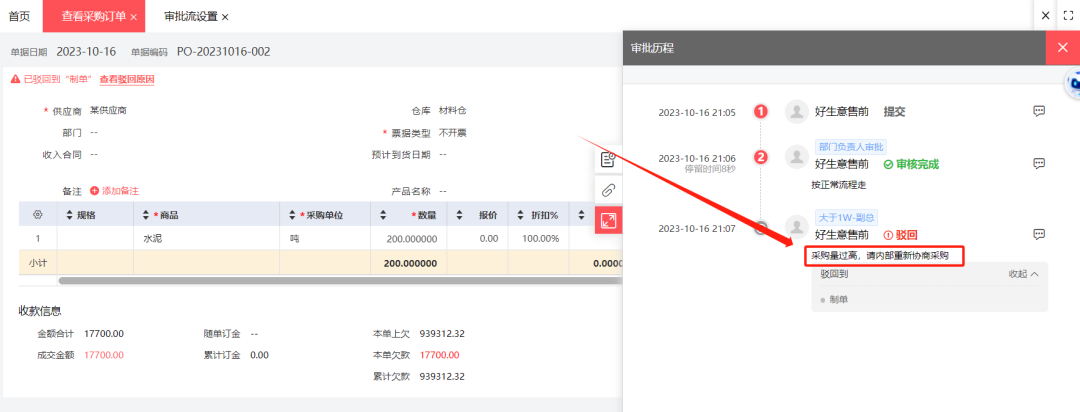
Material procurement now runs on an approval workflow that prevents things slipping out of control, with arrived-or-not and paid-or-not visible anytime. The full process from purchase order through receipt is managed in one place, with returns and purchase cost allocation supported. Approval routes can follow amount, for example purchases above 10,000 require vice-president approval, and requests can be rejected with comments and resubmitted.
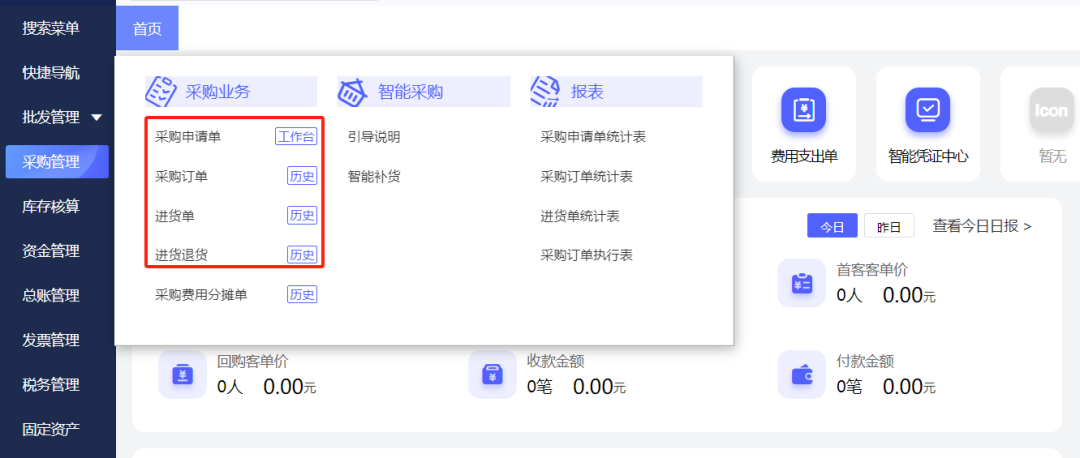
Purchase order approval strengthens control over the buying process.
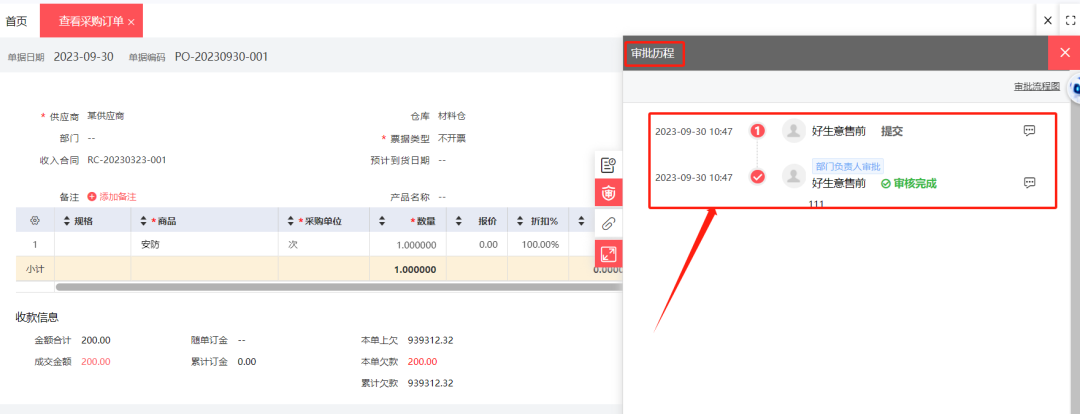
Approval flow can follow the purchase amount, such as vice-president approval above 10,000.
Requests can be rejected during submission with comments, then adjusted and resubmitted.
Easier inventory and assembly production
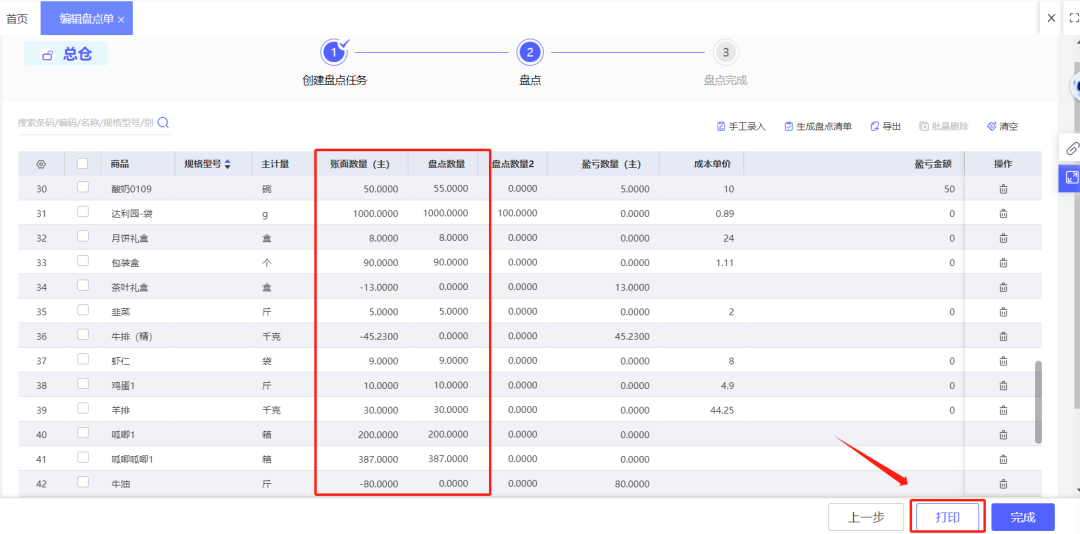
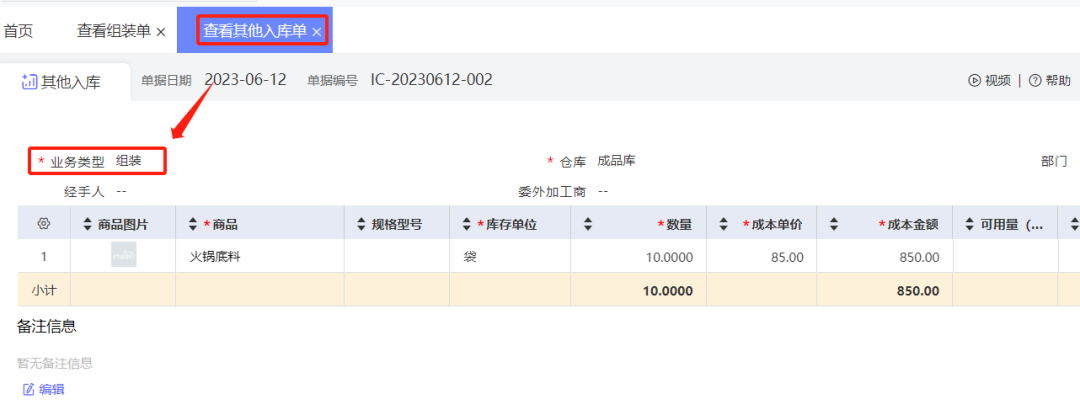
With many materials, the system supports checklist printing for stocktaking, which makes counts simpler, and assembly production simplifies manufacturing while improving costing accuracy.
Assembly production simplifies the process and improves costing efficiency.
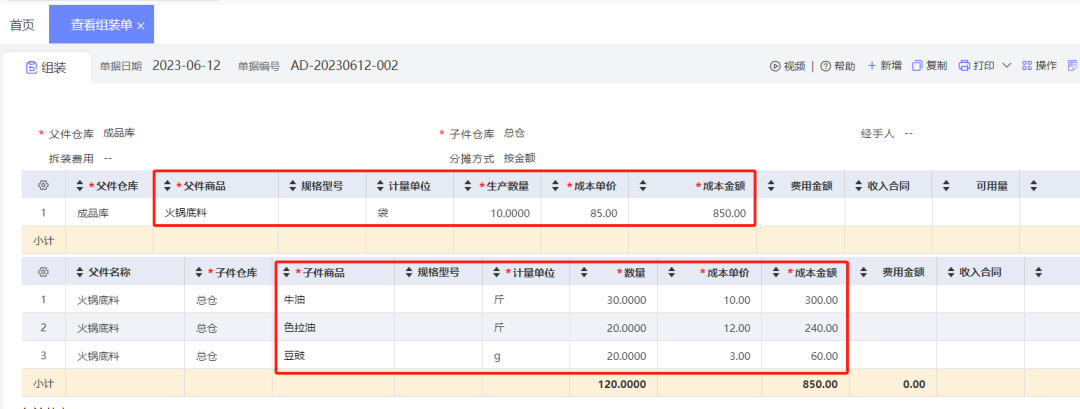
Finished products increase inventory while corresponding materials decrease, simplifying the workflow.
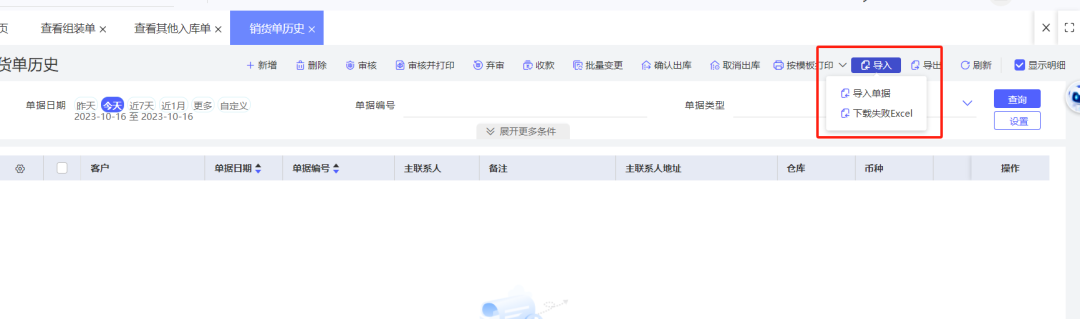
Batch sales data import and reporting
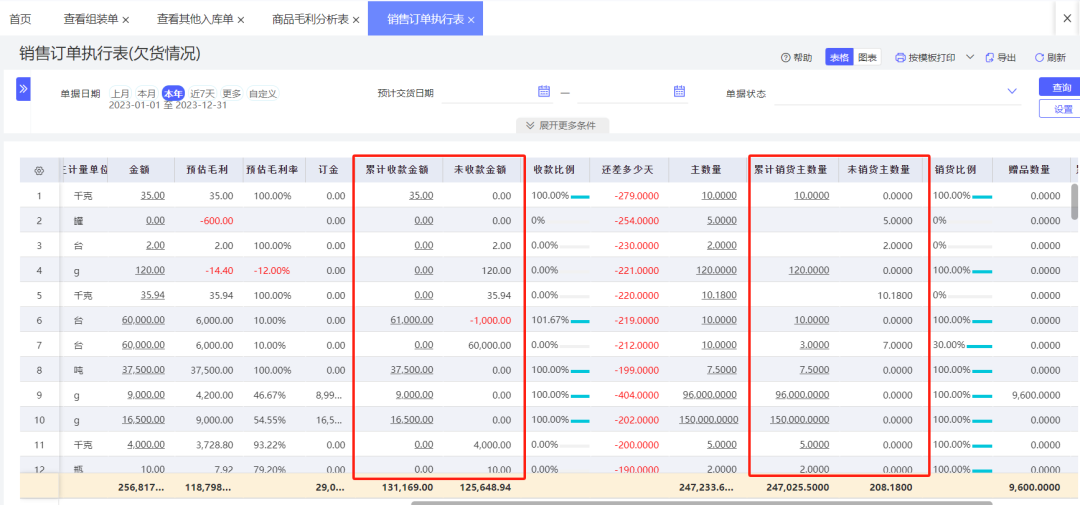
The system supports batch importing sales data without a fixed template, ending slow re-keying from third-party systems, and shows sales reports by product, customer, and other dimensions with clear order execution.
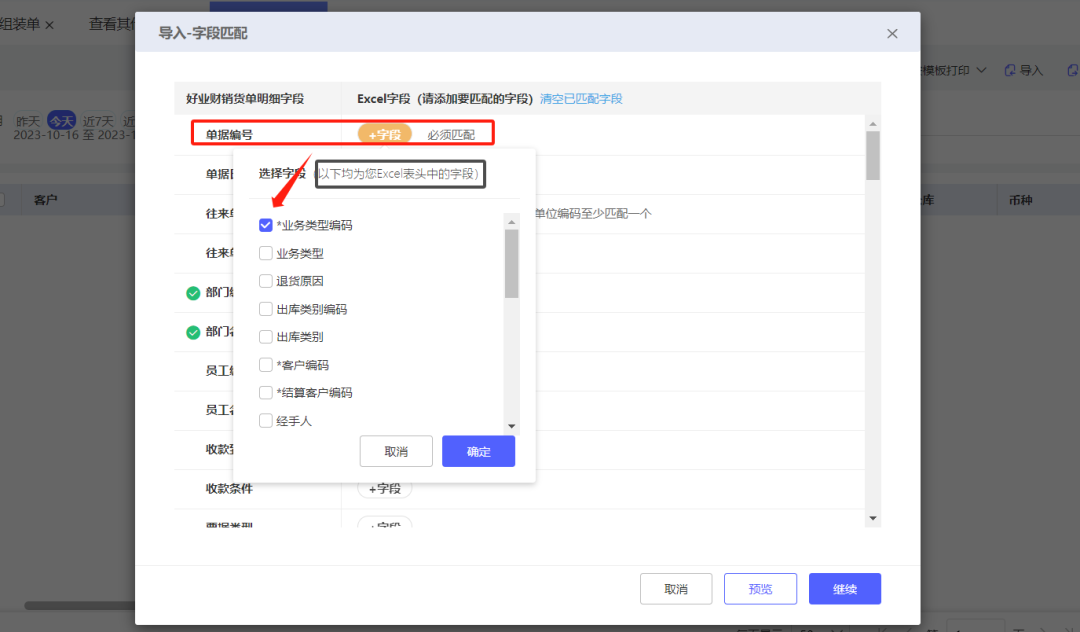
Sales reports can be viewed by product, customer, and other dimensions.
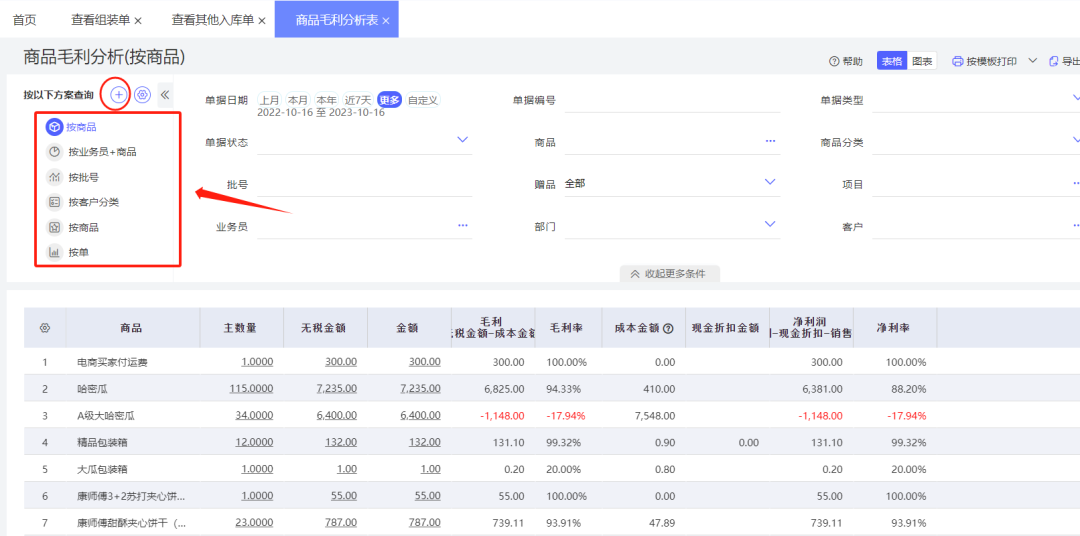
Purchase and sales order execution is shown intuitively and clearly.
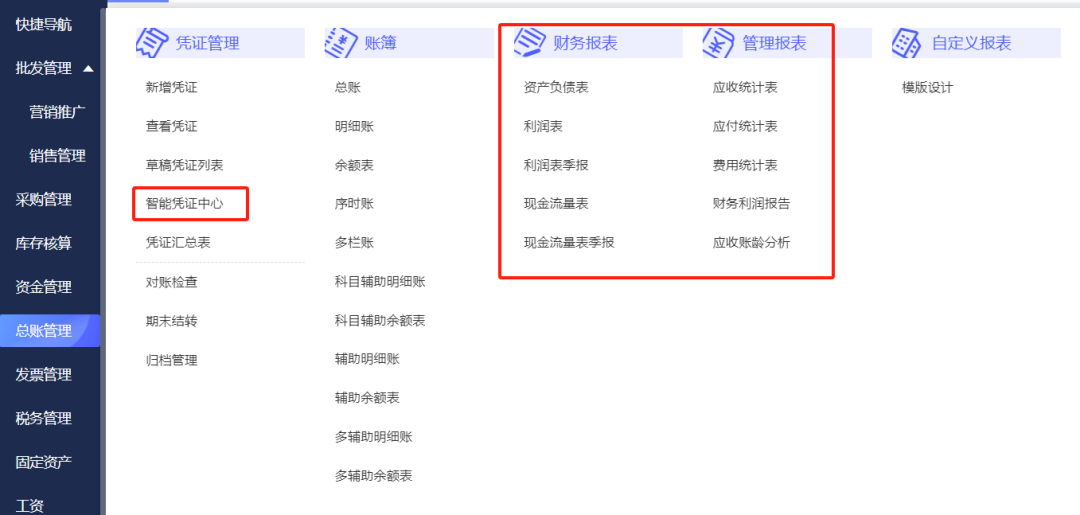
Integrated purchase-sales-inventory-finance
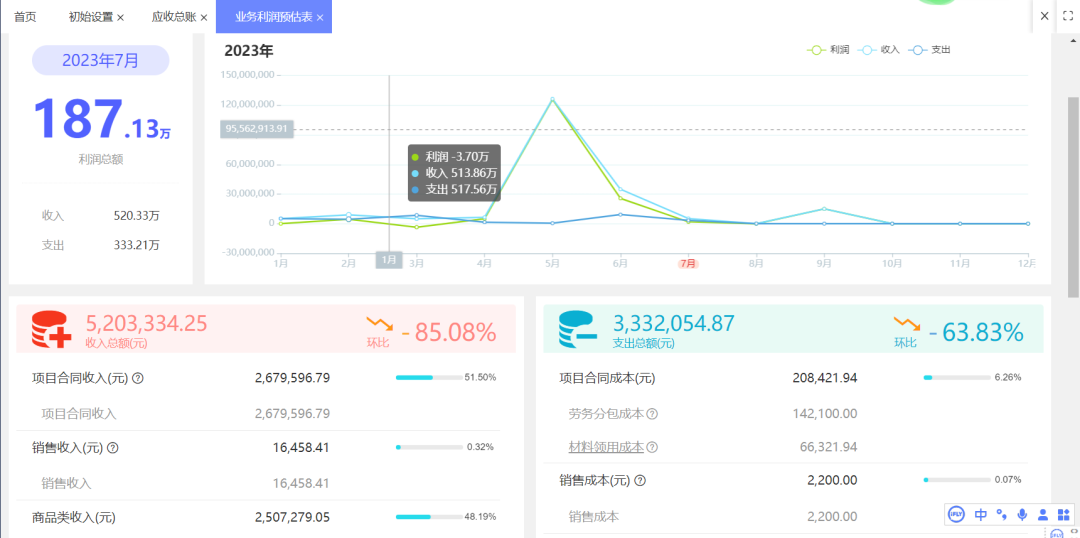
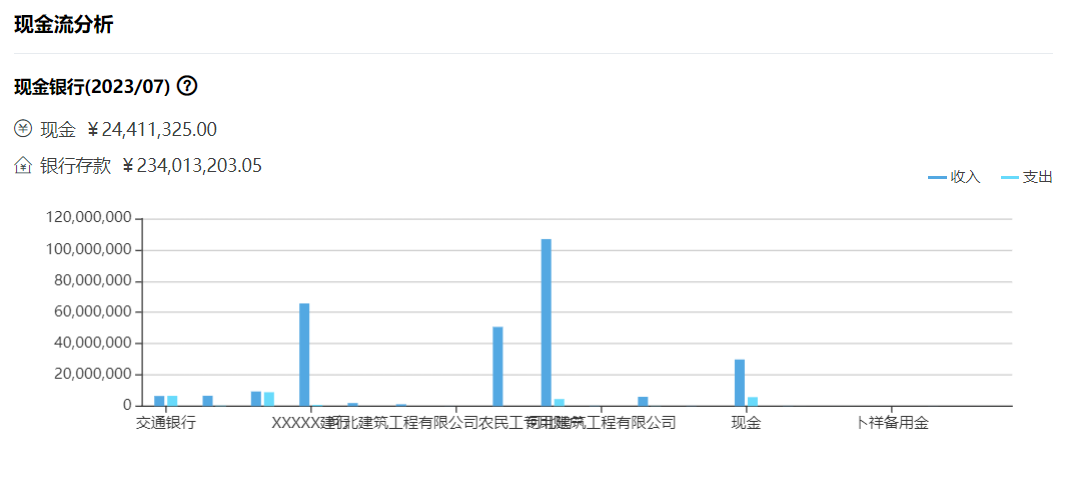
An integrated purchase-sales-inventory-finance system raises accounting efficiency and cuts manual bookkeeping. Business and finance data are unified, visual documents generate financial vouchers with one click, and the general ledger, payroll, assets, cash, invoices, and tax are managed together. Operation reports are available on both computer and mobile.
Operation reports can be viewed on computer or mobile at any time for a full picture of the business.

Measurable Results
One coordinated supply chain
A shared product catalog and one-click purchase-sales coordination mean a sale in one company is reflected instantly as a purchase in another, replacing the old inter-company confusion with a single, consistent thread of documents.
Controlled spending and accurate costing
Amount-based approval workflows close the oversight gap that caused losses, while assembly production and integrated finance make costing accurate and timely, and the ledger finally agrees with the warehouse.
Conclusion
Running five affiliated companies on disconnected systems invites silent losses. By unifying the catalog, enforcing approvals, simplifying costing, and integrating finance, this catering group turned a tangled family of entities into one coordinated supply chain, and integration is the control system itself.
Related reading
Solving Apparel Wholesale Pain Points with Online Selection and Smart Warehousing
An apparel wholesaler cut order-entry time, reduced churn, and tamed multi-warehouse picking with a cloud ERP. Online selection and attribute cataloging streamlined the flow.
Read guide →Customer Case StudyAustralia Frozen Meat Processor: Accurate Costing for Whole-Chicken Cutting
How a Melbourne frozen-meat processor used ERP barcode, BOM disassembly and batch control to cut receiving time and cost every chicken part precisely.
Read guide →Customer Case StudyHow a Beijing IC Company Achieved Finance–Operations Integration for Precision Management
A Beijing integrated-circuit maker unified purchasing, outsourcing, kit sales, and accounting in one ERP, automating cost allocation and cutting month-end close effort.
Read guide →