Hangzhou Skincare Maker Controls Assembly Cost With BOM and Alerts
A Hangzhou skincare maker importing Korean materials and assembling locally fought cost distortion. Expense allocation, alerts, and BOM costing restored accurate margins.
Company Profile / Background
This case study looks at a Hangzhou skincare company that develops and sells beauty products such as serums, cleansers, and soothing balms, plus beauty devices. Its model combines Korean imported raw materials, local assembly, and nationwide distribution through agents, covering import, outsourced processing, and finished-goods sales. Seven users run the ERP suite day to day. A six-month production cycle meant a buying mistake in January would not show up as a problem until summer.
Long production cycles and volatile material costs make precise costing essential. Before the upgrade, allocation was manual and stock planning was guesswork.
Core Challenges
Complex Allocation Distorted Costs
The firm imported bulk raw materials from Korea in roughly 100-kilogram drums, involving foreign-currency settlement, exchange differences, freight-forwarding fees, and shipping. Allocating those costs into material cost by hand was slow and error-prone. Labor and packaging overheads were also hard to spread across products, leaving costing imprecise. Imported material carried hidden costs that only showed up once the product was priced.
Weak Inventory Control Risked Capital
With a six-month production cycle, the company had to stock ahead but had no sound warning mechanism. Buyers guessed quantities from experience, causing both overstock and stockouts. Raw materials with shelf lives meant expiry meant direct loss, so a safety-stock alert was urgently needed. Holding months of stock meant a planning error compounded before anyone noticed.
Assembly Cost Collection Was Hard
Assembling drummed bulk material into small boxes required unit conversions and accurate cost collection. Packaging and labor had to enter finished-goods cost, yet no systematic tool existed. Multiple units such as boxes and pieces, plus sample-out demands, outran manual methods. Margins on assembled goods depended entirely on how honestly the drum-to-box cost was built.
How the System Solved It
The implementation leaned on four capabilities: expense allocation, stock alerts, assembly costing, and fine cost management. Each is described below.
Purchase Expense Allocation Sharpened Costs
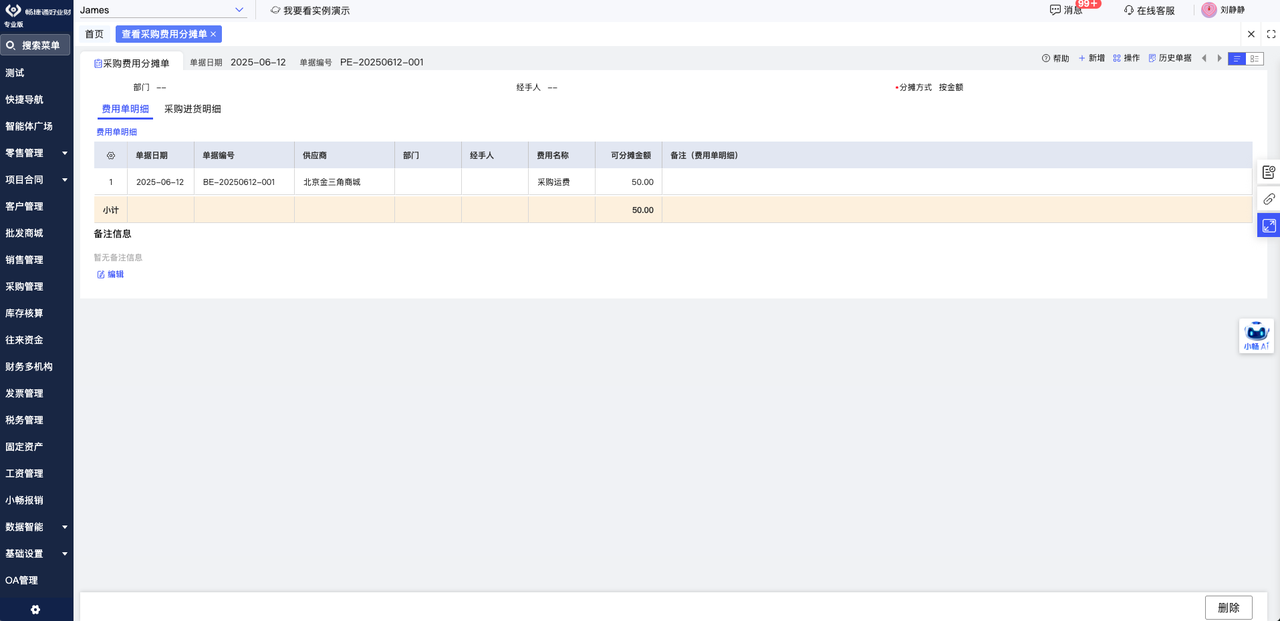
Multi-currency support handled exchange differences automatically for accurate import costing. A purchase expense allocation form spread freight, forwarding, and duties onto the specific goods by a sound algorithm, avoiding manual error. The system produced allocation detail and cost-impact analysis so finance saw each batch's true cost. Finance could finally show the boss the real cost of one imported drum.
Smart Stock Alerts Controlled Capital
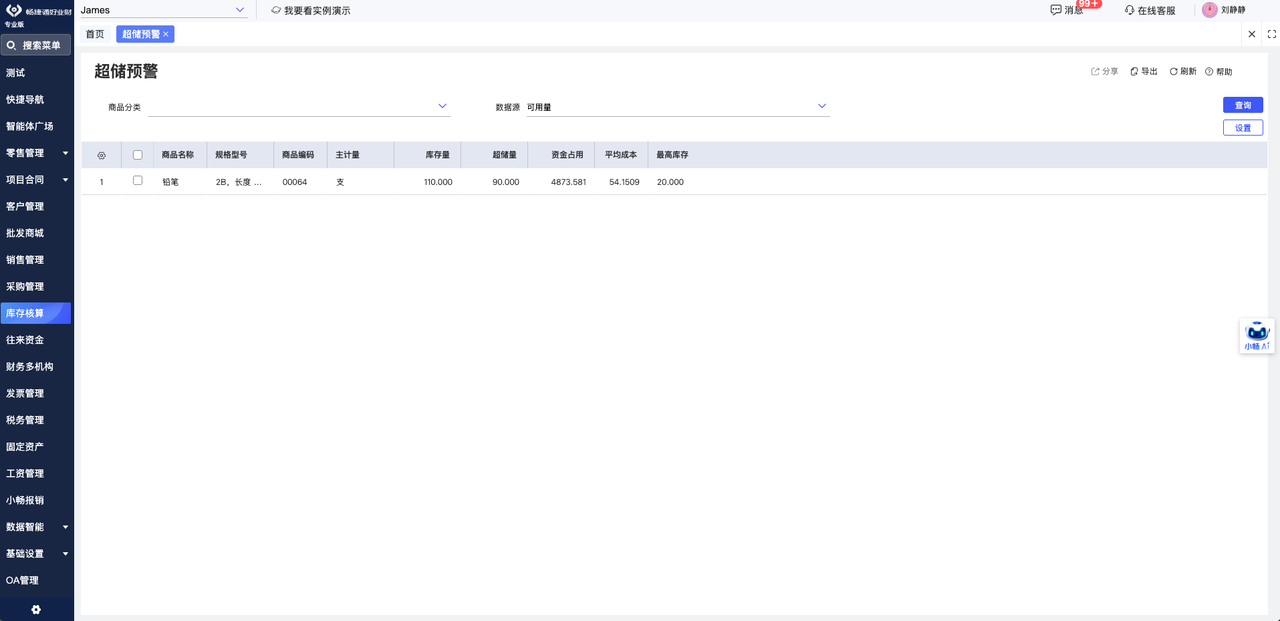
Overstock alerts triggered when raw material exceeded a set threshold, avoiding capital tied in excess buying. Given the six-month cycle, safety-stock parameters prompted timely replenishment to keep production continuous. Analysis by item, warehouse, and batch supported buying decisions. Buyers received a nudge to act instead of discovering shortages at packaging time.
Assembly Management Automated Cost Collection
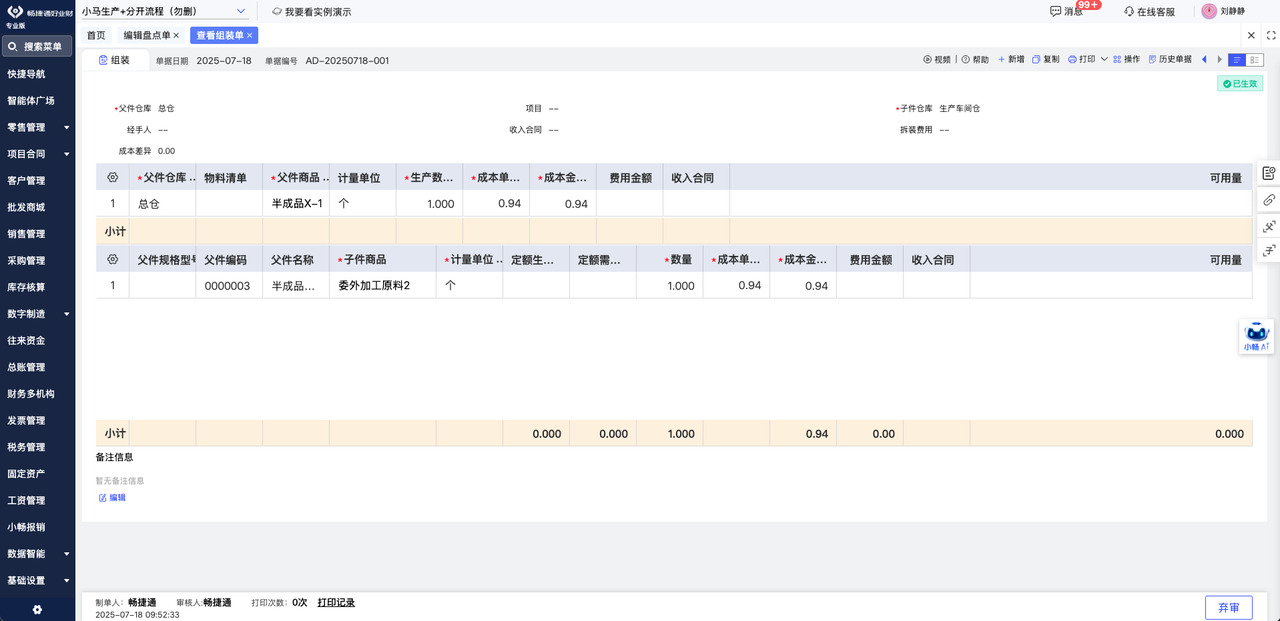
A standard BOM defined the drum-to-box conversion and usage. An assembly order recorded the drum-to-box process, auto-computed material consumption, and generated outbound and inbound documents. Packaging and labor entered the assembly order and flowed into finished-goods cost automatically. Multi-unit support handled boxes and pieces for varied outbound needs. The drum-to-box math stopped living only in a senior worker's memory.
Fine Cost Management Improved Profit Analysis
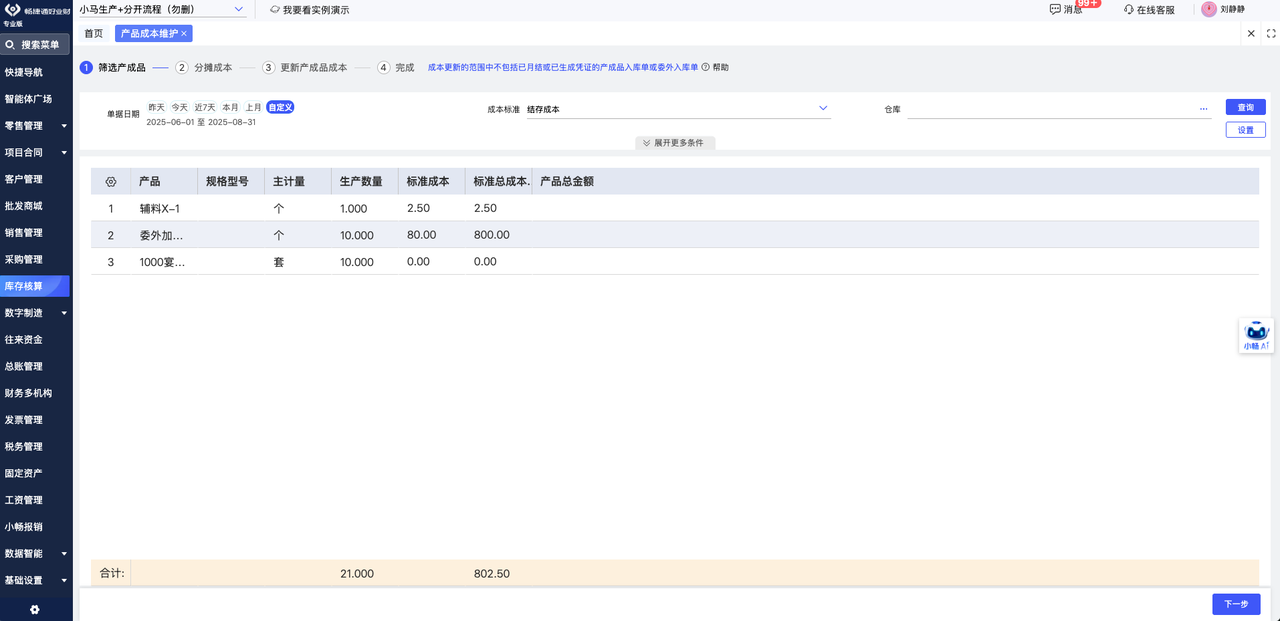
Product cost maintenance allowed batch adjustment of finished-goods cost on inbound, while standard cost settings defined allocation shares. A recalculation feature refreshed maintained costs as business changed, keeping cost data current. Month-end cost adjustments no longer required reconstructing the whole batch.
Measurable Results
The combined effect was cleaner costs and safer stock. The outcomes below capture what the team gained.
Finer Costing Enabled Smarter Pricing
Expense allocation and assembly collection put overheads and packaging into cost precisely. Management saw each product's true cost build, supporting pricing and profit analysis without guesswork. Pricing decisions rested on true cost instead of rough estimates.
Smarter Inventory Freed Working Capital
Warning and safety-stock systems let the firm plan purchases against the six-month cycle, cutting overstock and expiry risk and improving turnover, releasing cash for growth. Working capital stopped sitting in material that would later expire.
Integrated Operations Raised Efficiency
Data flowed automatically from purchase through production to sales, with reports generated without re-entry. Finance shifted to analysis and support, lifting overall efficiency. Finance shifted from data entry to genuine analysis.
Conclusion
By deploying this ERP suite, the Hangzhou skincare maker solved expense allocation, inventory, and costing at once and built a scientific, efficient, transparent management system. That foundation protects its cost advantage in the competitive beauty market and supports sustainable growth.
Related reading
Solving Apparel Wholesale Pain Points with Online Selection and Smart Warehousing
An apparel wholesaler cut order-entry time, reduced churn, and tamed multi-warehouse picking with a cloud ERP. Online selection and attribute cataloging streamlined the flow.
Read guide →Customer Case StudyAustralia Frozen Meat Processor: Accurate Costing for Whole-Chicken Cutting
How a Melbourne frozen-meat processor used ERP barcode, BOM disassembly and batch control to cut receiving time and cost every chicken part precisely.
Read guide →Customer Case StudyHow a Beijing IC Company Achieved Finance–Operations Integration for Precision Management
A Beijing integrated-circuit maker unified purchasing, outsourcing, kit sales, and accounting in one ERP, automating cost allocation and cutting month-end close effort.
Read guide →