Hot Pot Ingredients Distributor Unifies Supply Chain and Online Mall on One ERP
A Sichuan foodservice supplier merged its online mall, supply chain, and finance on one cloud ERP with batch control. The result is faster fulfillment and automated reconciliation.
Company Profile / Background
The company is a Sichuan-based supply chain management firm focused on the foodservice industry, with a product line centered on hot pot ingredients and other prepackaged foods. Annual revenue reaches into the tens of millions of yuan, supported by around 200 employees that include a 10 to 20 person telesales team. It plays the classic food distribution role: moving perishable, batch-sensitive products from suppliers to restaurants and retail buyers at volume, where speed and traceability are everything.

Core Challenges
Batch, barcode, and shelf-life control
Every product requires batch management, barcode management, shelf-life management, and inventory-age management. In a food business, losing track of a batch or an expiry date is not a reporting problem, it is a compliance and waste problem.
Operations visibility
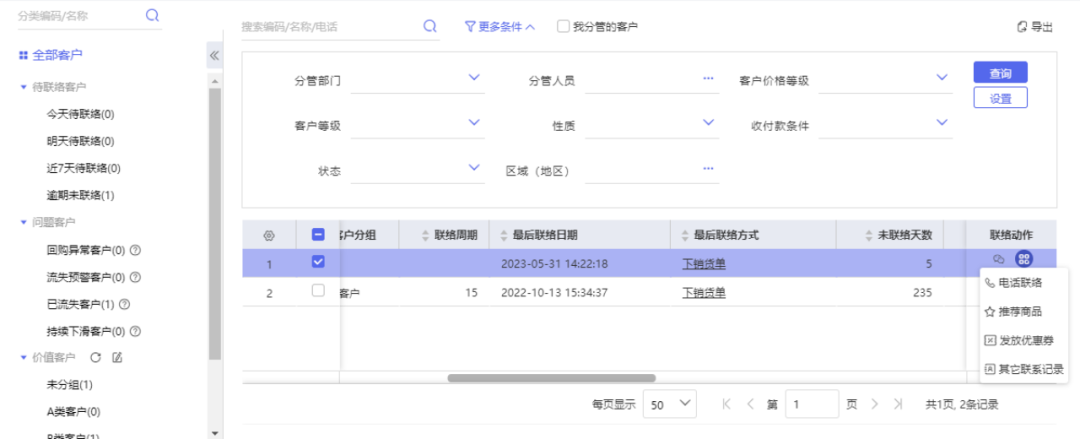
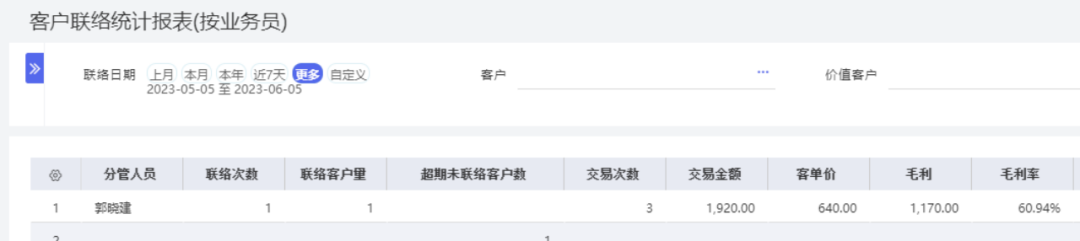
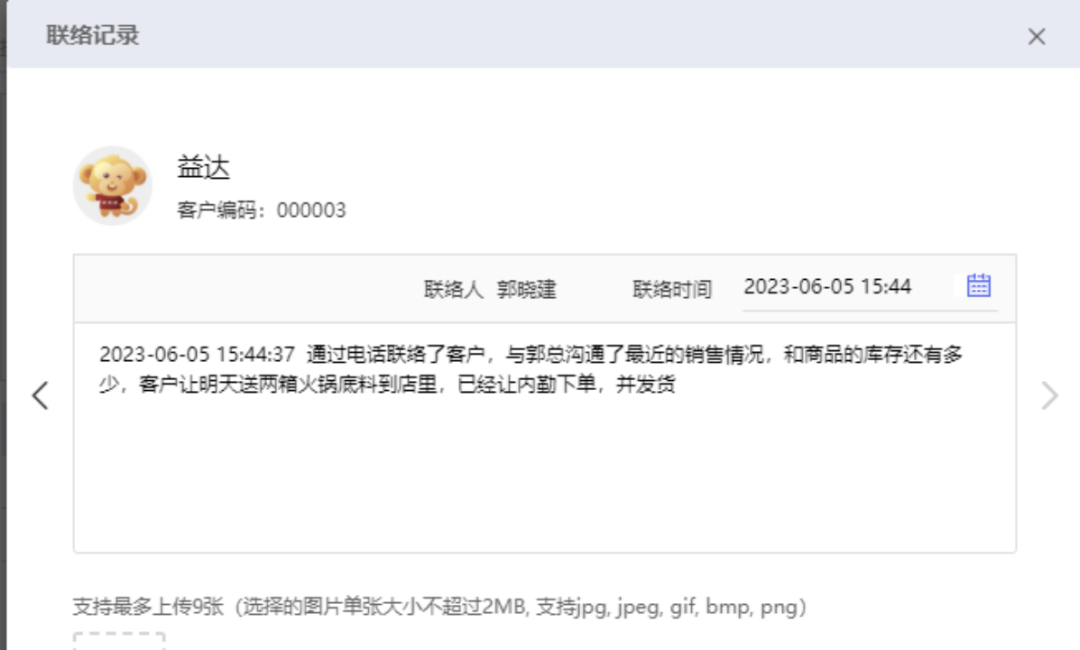
Management needed marketing analysis across product, customer, and sales-rep dimensions, plus records of customer follow-up visits, to run promotions and manage relationships deliberately rather than by instinct.
A fragmented software stack
The online mall, the offline supply chain system, and the finance system had low integration and poor stability. When one system was upgraded it could disrupt another, and coordinating multiple software vendors was cumbersome and costly to maintain. Data lived in three places that did not agree.
How the System Solved It
A unified online mall and supply chain
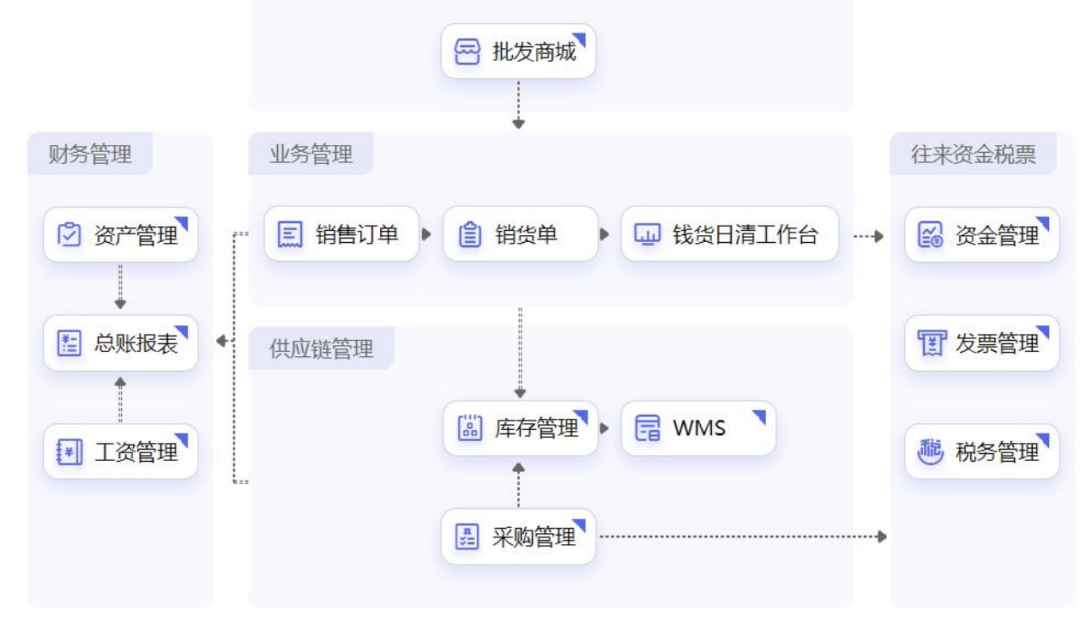
Customers can order around the clock through the Wangpu online mall, with rich promotions such as coupons, while customer tier prices stay consistent between the mall and the supply chain system. HaoYeCai (the ERP product by Chanjet) handles purchasing, sales, inventory, and receivables and payables, and mall orders flow automatically into the sales and inventory modules.
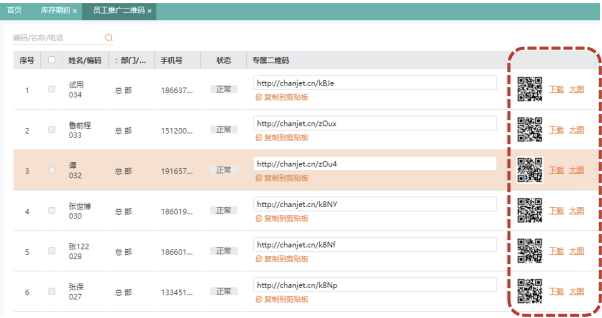
Each sales rep gets a dedicated QR code so buyers are routed to the right person's storefront.
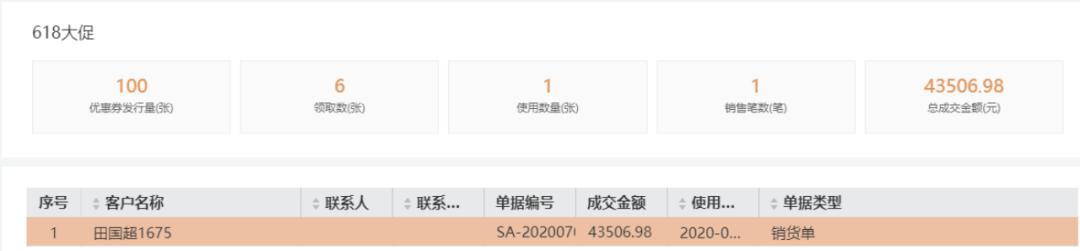
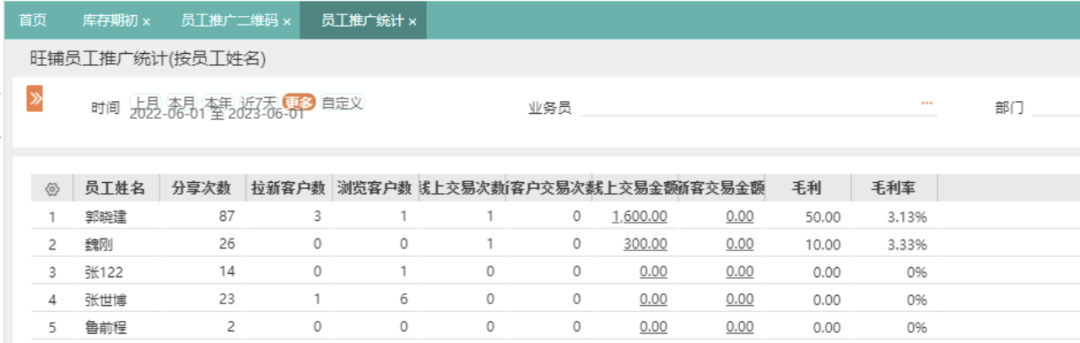
Managers evaluate campaign performance through marketing statistics reports and view each rep's promotion data at a glance.
Batch, barcode, and shelf-life control
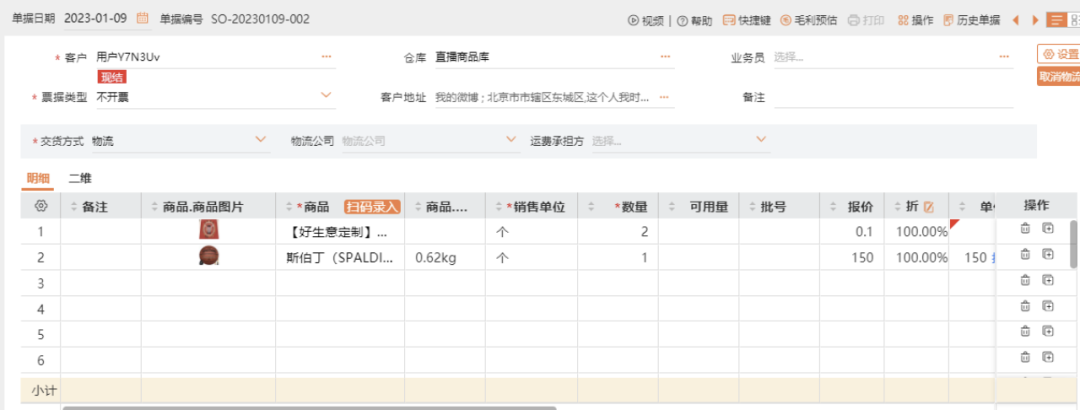
In HaoYeCai, batch management, shelf-life management, and a barcode scheme can be enabled per item. Both national 69 barcodes and custom codes work, and scanning at order entry auto-brings the batch number, production date, and expiry. At sales order entry the system auto-fills the batch number, production date, and expiry date, so traceability is captured at the moment of sale.


Order-to-ship fulfillment
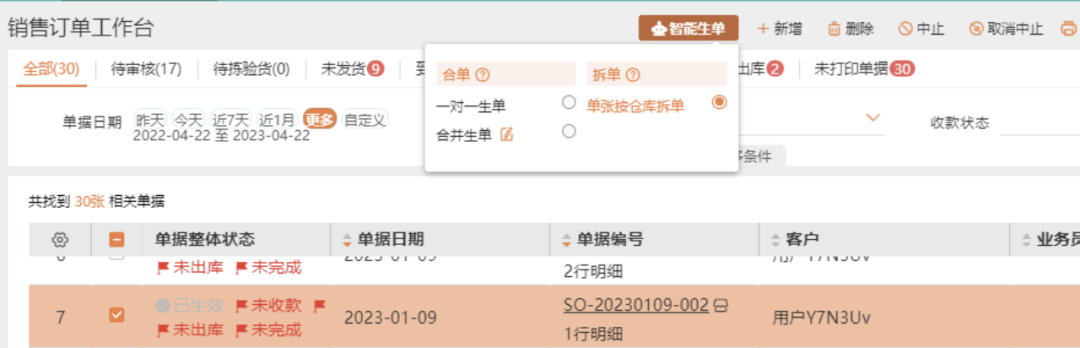
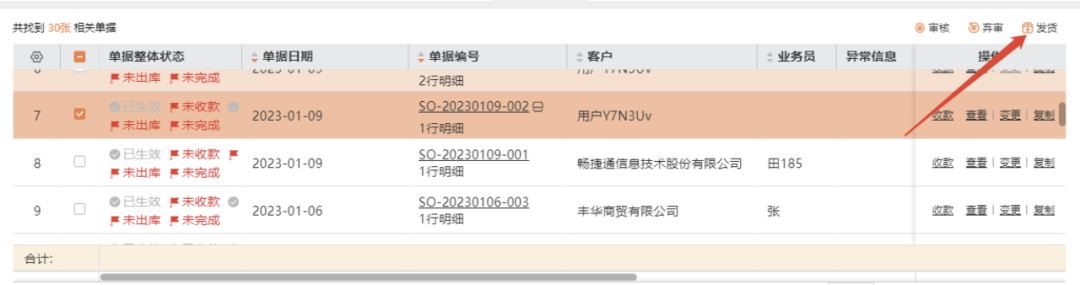
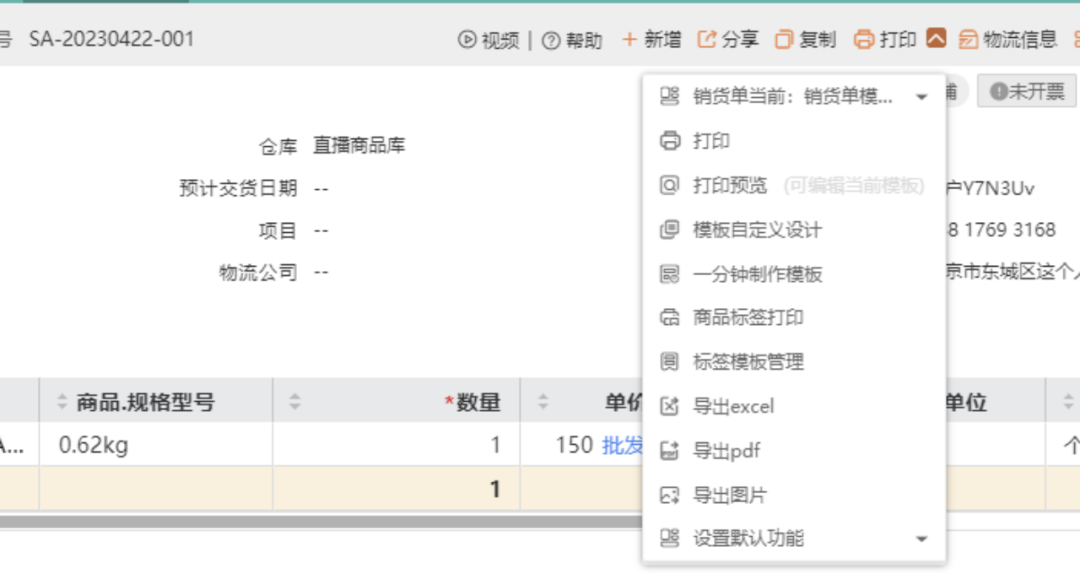
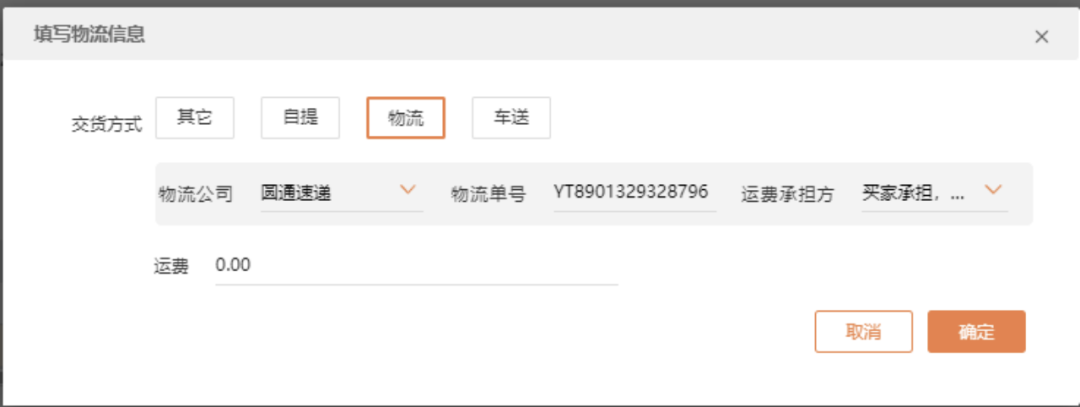
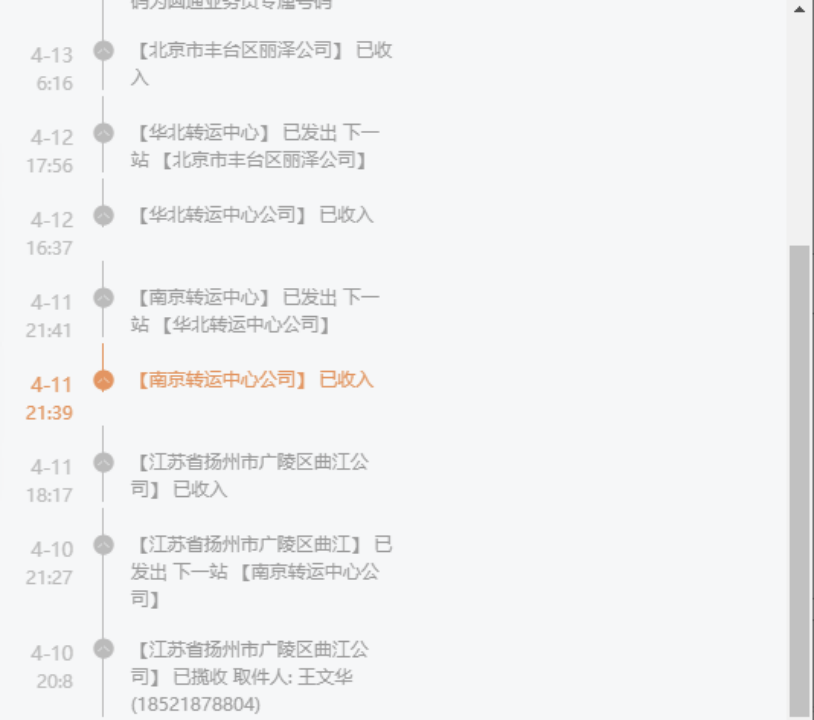
With the mall and supply chain integrated, orders are processed and shipped quickly. One-click shipping turns a sales order into a sales invoice, back-office staff use cloud printing to send the order to the warehouse printer, staff fill in the logistics tracking number online, and customers track delivery on their phones.
Mobile finance and automated reconciliation
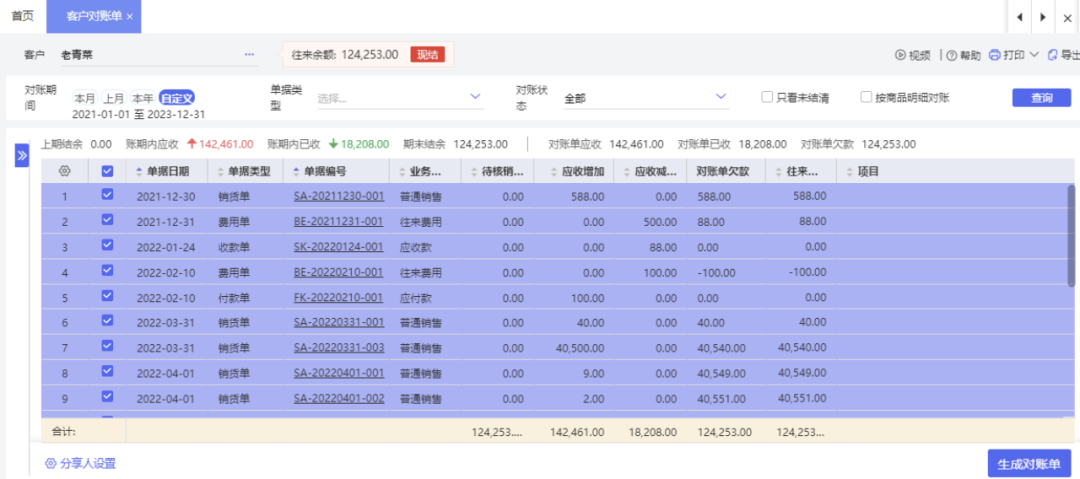
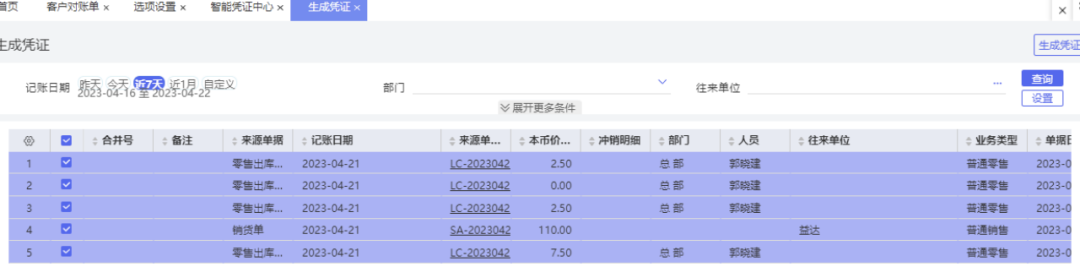
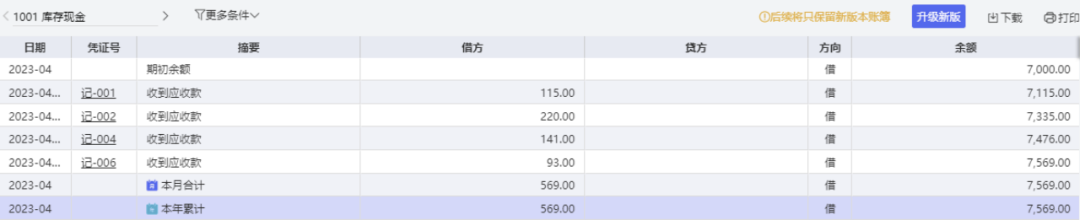
The firm previously struggled with inconsistent business and finance data and slow back-end posting. The fully mobile app lets finance work anywhere; after a sales invoice takes effect it auto-forms accounts receivable; statements are generated by customer or owner for online reconciliation; and receivables and payables are written off automatically. Business documents auto-generate financial vouchers, and voucher data updates the ledgers automatically.


Operations analytics
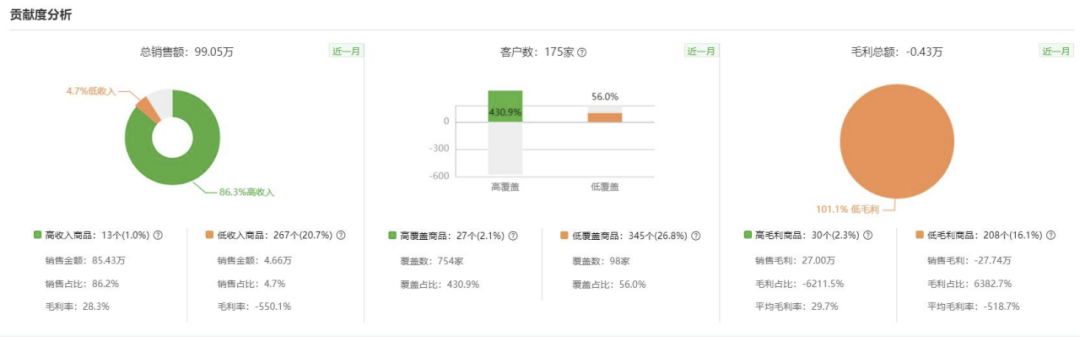
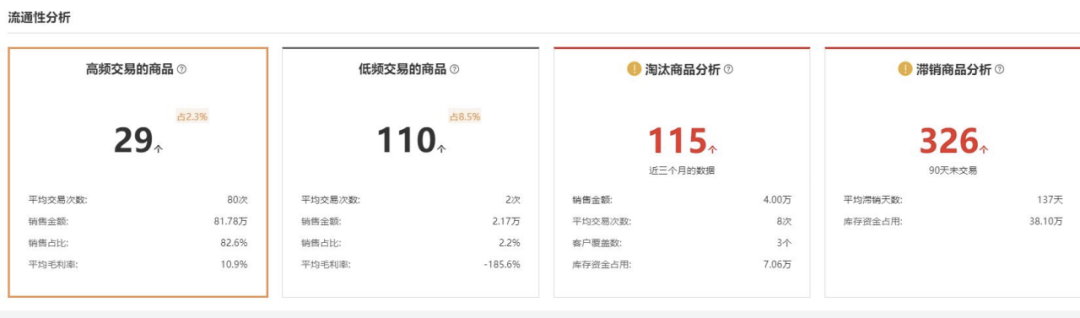
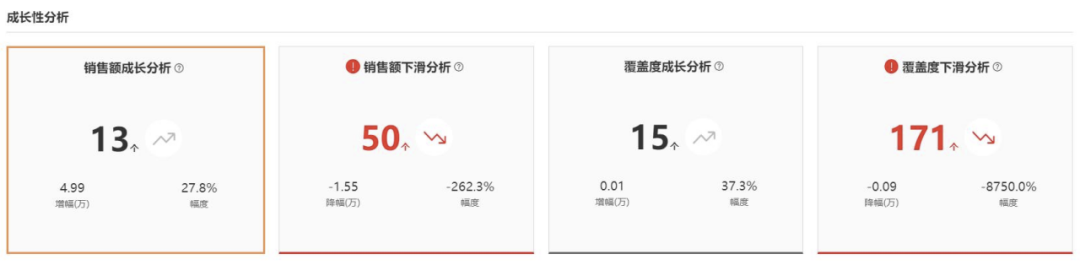
Management needs product and customer data to guide marketing and relationship plans, and rep sales and promotion data for performance review. HaoYeCai provides complete customer, product, marketing, and rep statistics. Products are analyzed by contribution, liquidity, and growth, and that analysis directly informs sales and marketing planning.


Measurable Results
Always-on ordering with consistent pricing
Customers order 24 hours a day through a single mall where tier prices match the supply chain system. Promotions and rep-specific storefronts are managed in one place instead of across disconnected tools, which removes the maintenance friction of running several separate systems.
Inventory integrity for perishables
Batch, barcode, and shelf-life controls are enforced at item setup and at order entry, so every shipment carries its traceability data automatically. Expiry and inventory-age risks become visible instead of discovered too late.
Finance that keeps pace with operations
Receivables, statements, and vouchers are generated from the same documents that drive fulfillment, so the ledger and the warehouse finally agree. Automated write-off and one-click vouchers cut the manual bookkeeping that the old stack forced on a small finance team.
Conclusion
For a food distributor moving batch-sensitive products at volume, the cost of disconnected systems is paid in wasted coordination and fragile traceability. By bringing the online mall, supply chain, and finance onto one cloud ERP with built-in batch and shelf-life control, this hot pot ingredients supplier turned three arguing systems into a single source of truth. Orders, shipments, and the ledger now move together, which is exactly what a perishable-goods business needs to scale.
Related reading
Solving Apparel Wholesale Pain Points with Online Selection and Smart Warehousing
An apparel wholesaler cut order-entry time, reduced churn, and tamed multi-warehouse picking with a cloud ERP. Online selection and attribute cataloging streamlined the flow.
Read guide →Customer Case StudyAustralia Frozen Meat Processor: Accurate Costing for Whole-Chicken Cutting
How a Melbourne frozen-meat processor used ERP barcode, BOM disassembly and batch control to cut receiving time and cost every chicken part precisely.
Read guide →Customer Case StudyHow a Beijing IC Company Achieved Finance–Operations Integration for Precision Management
A Beijing integrated-circuit maker unified purchasing, outsourcing, kit sales, and accounting in one ERP, automating cost allocation and cutting month-end close effort.
Read guide →