How a Jiangxi Luggage Manufacturer Unified Production and Finance With One ERP
A Jiangxi luggage maker fought coding chaos, blind inventory, and split finance. Standard codes, BOM, and auto vouchers unified production and accounting.
Company Profile / Background
The manufacturer is a Jiangxi luggage maker producing trolley cases, zipper cases, and aluminum cases, plus semi-finished shells, zippers, hardware, and molds. It runs a make-to-order model, mainly taking overseas orders passed down from trading companies and building to spec. Like many accessory-makers, its growth was throttled less by demand than by internal data chaos. Three product families and a long list of sub-components mean the difference between order and chaos is often just a consistent name for each part.
Core Challenges
Chaotic Material Coding
With no unified coding rule, finished, semi-finished, and raw items were tagged inconsistently, one item might carry several codes, and departments used different rules. Purchasing, production, and inventory data could not link, items were hard to find, and new hires took long to learn.
Non-Real-Time Inventory, Poor Planning
Hand-kept stock gave no real-time count of raw or finished goods. Lines were started on guesswork, causing stoppages from shortages or pile-ups from excess. Month-end counts showed large variances, hurting planning and costing accuracy.
Split Business and Finance, Rough Costing
Operations and accounting were fully separate: staff logged production by hand while finance posted separately, and the two sets disagreed. Product cost relied on manual math that missed true material and production cost, skewing pricing and profit analysis. On a bad month the two books could disagree by enough to change a pricing decision, and nobody could say which number was right.
How the System Solved It
The platform's standardized base data and full business-finance integration built a standard production system.
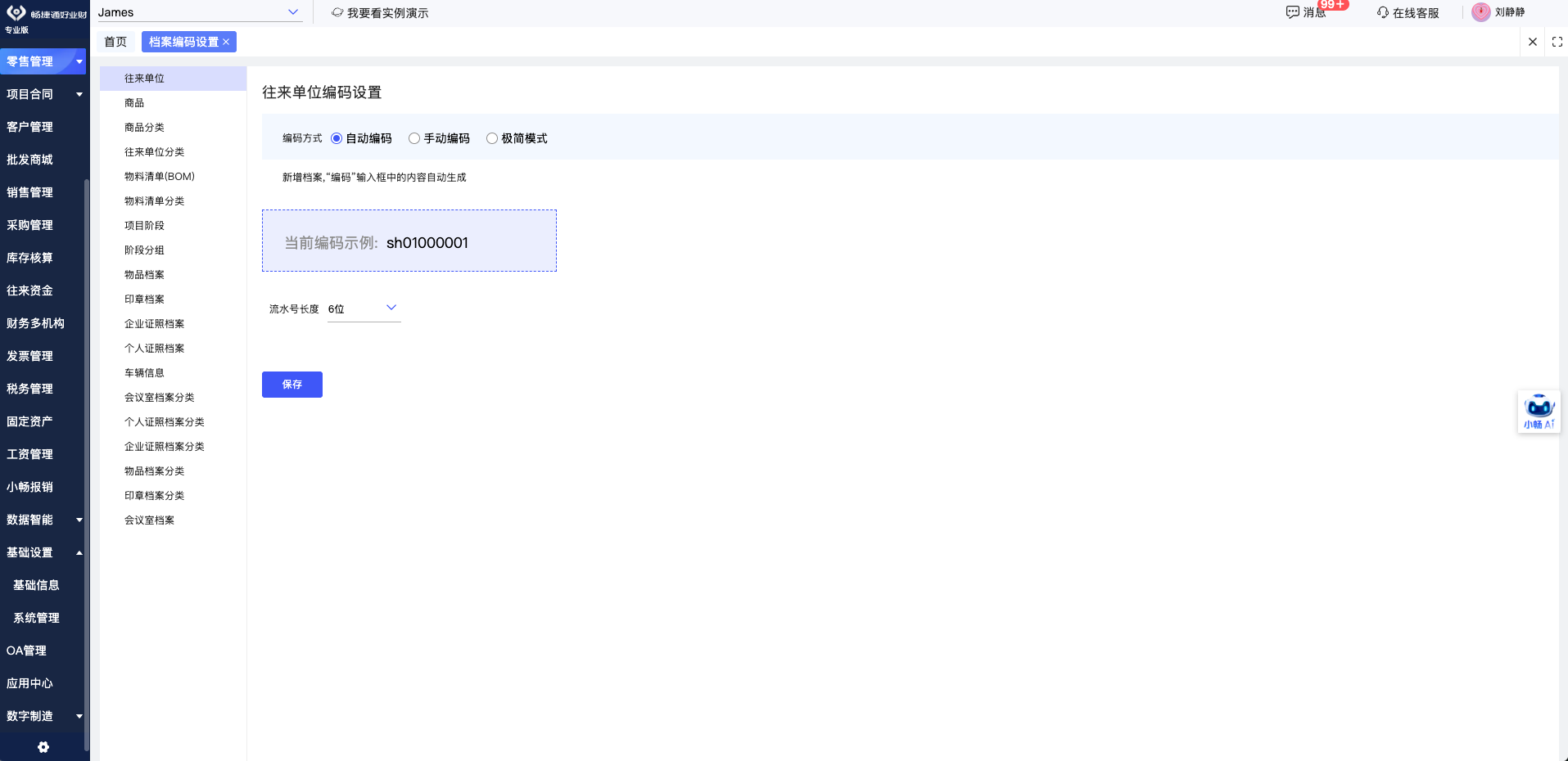
Standard Coding and Material Master
A unified coding rule assigns one code per item across finished, semi-finished, and raw categories, ending duplication. Excel batch import builds the complete item master, spec, unit, class, fast.
Why One Code Per Item Matters
When the same zipper appears under three codes, purchasing may overstock one version while another sits empty, and production may build to a part nobody can find. One code per item makes inventory, purchasing, and the shop floor speak the same language, which is the foundation every later gain rests on.
BOM Control for Precise Material Use
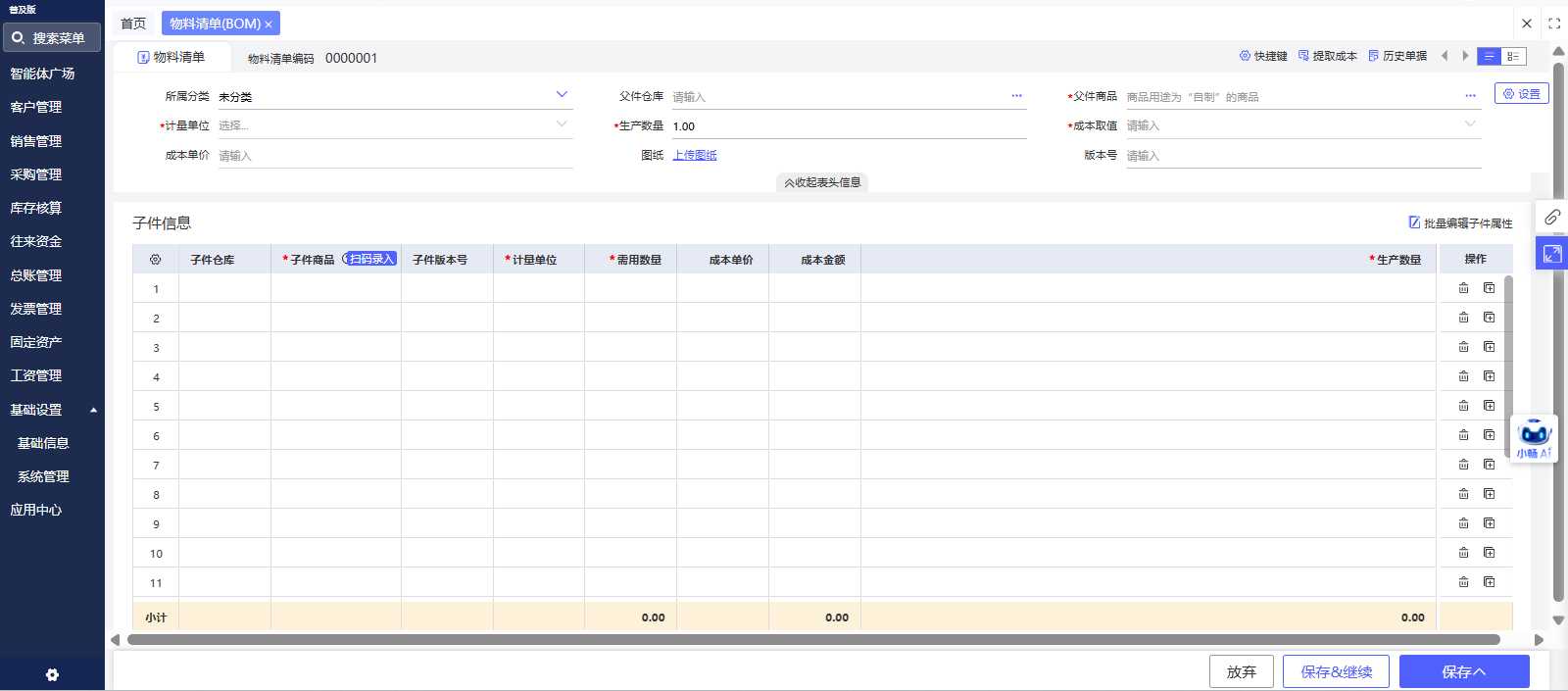
Standard BOM per finished item defines material ratios and usage; multi-level BOM shows structure and supports adjustable ratios and loss rates. The system computes required materials from the production order and BOM automatically, removing manual error.
Sales-Order Tracking and Customer Split
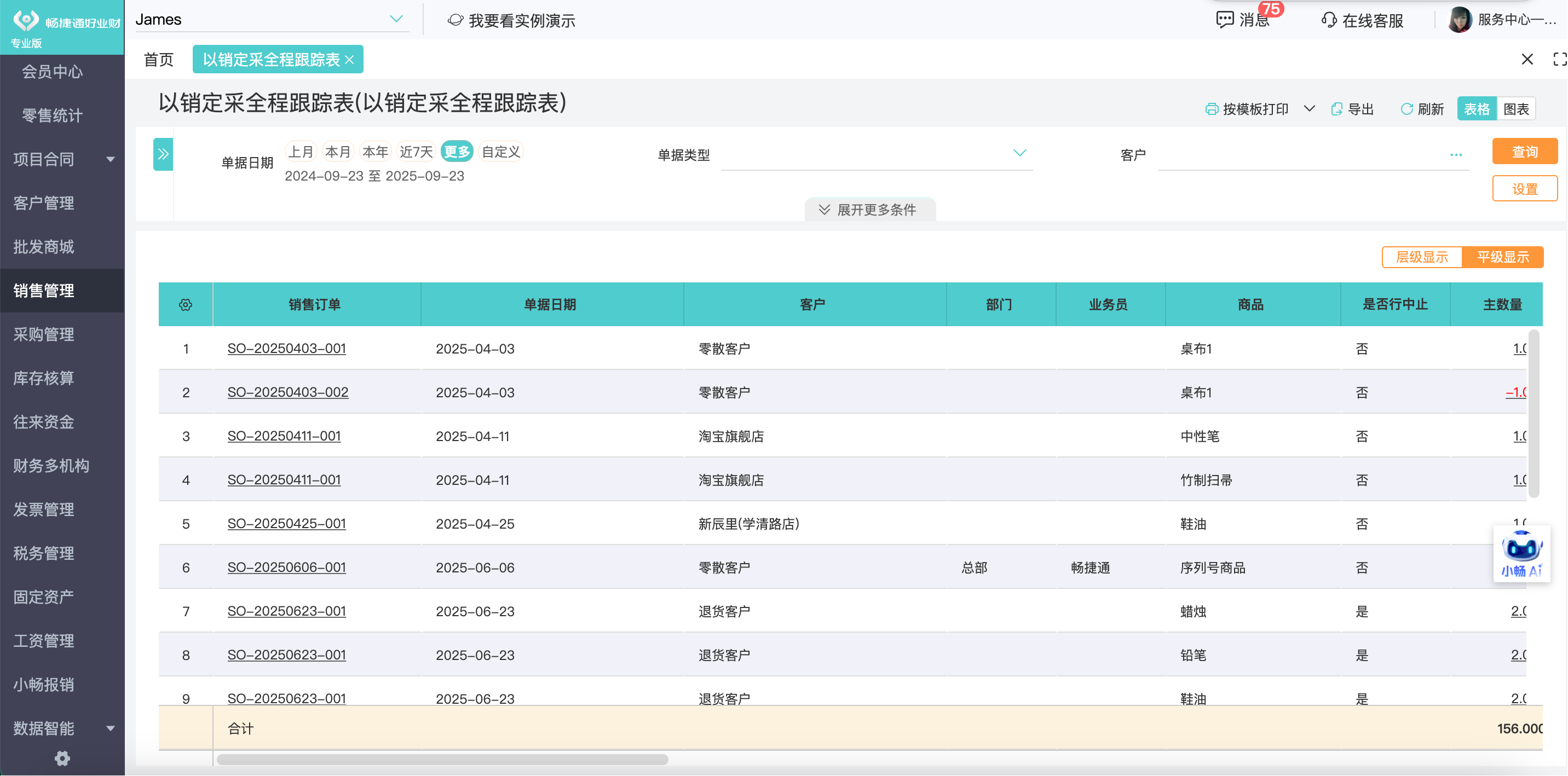
The make-to-buy tracking table visualizes the flow from sales order to procurement, with progress always visible. Actual and settlement customers can be managed separately, fitting the foreign-trade model and clarifying order and shipment management.
Purchase Price Tracking and Alerts
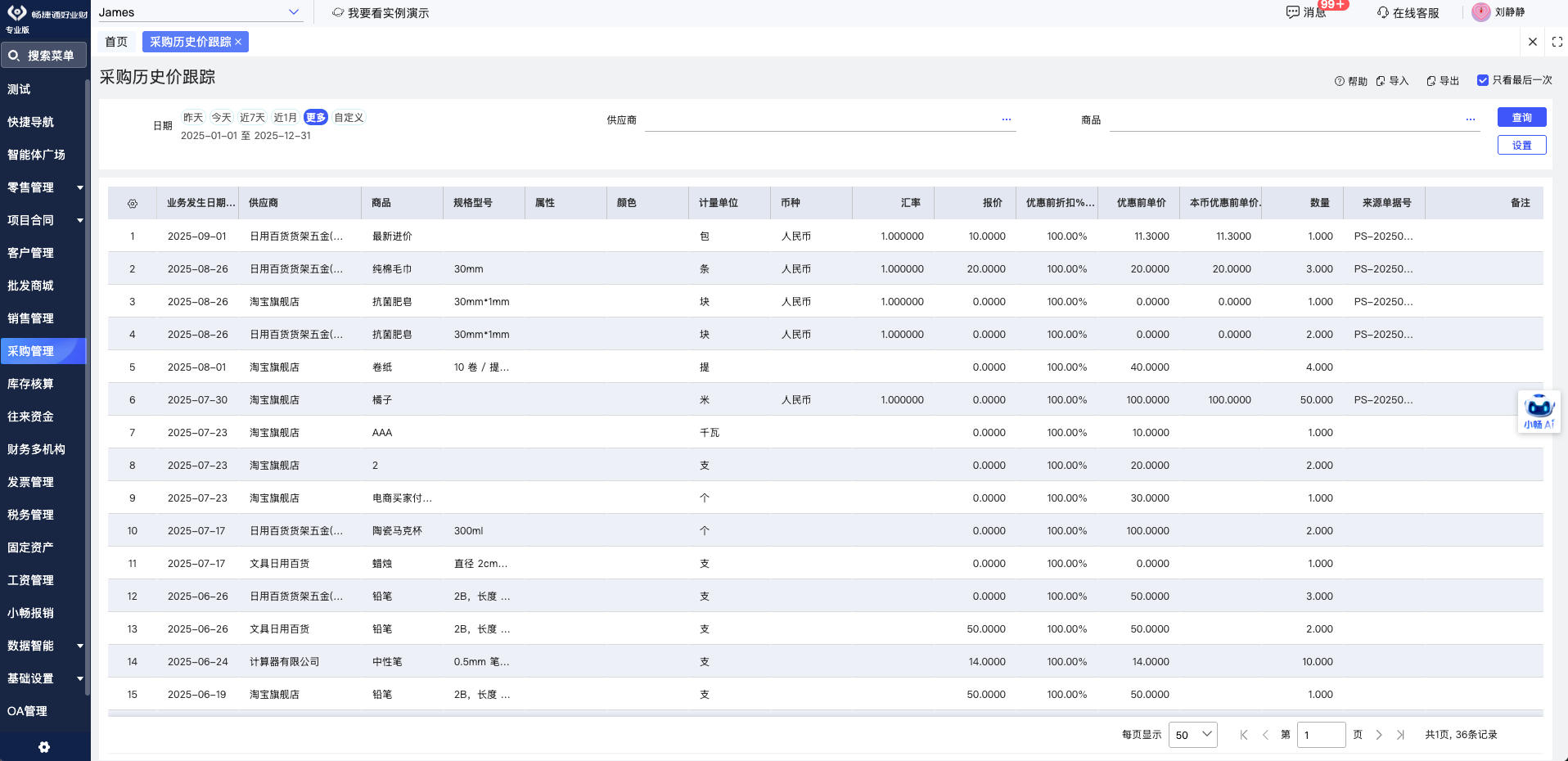
Purchase history price tracking records every buy to build a price database for negotiation. New purchases auto-compare to the last price and alert when fluctuation exceeds a threshold, blocking abnormal cost.
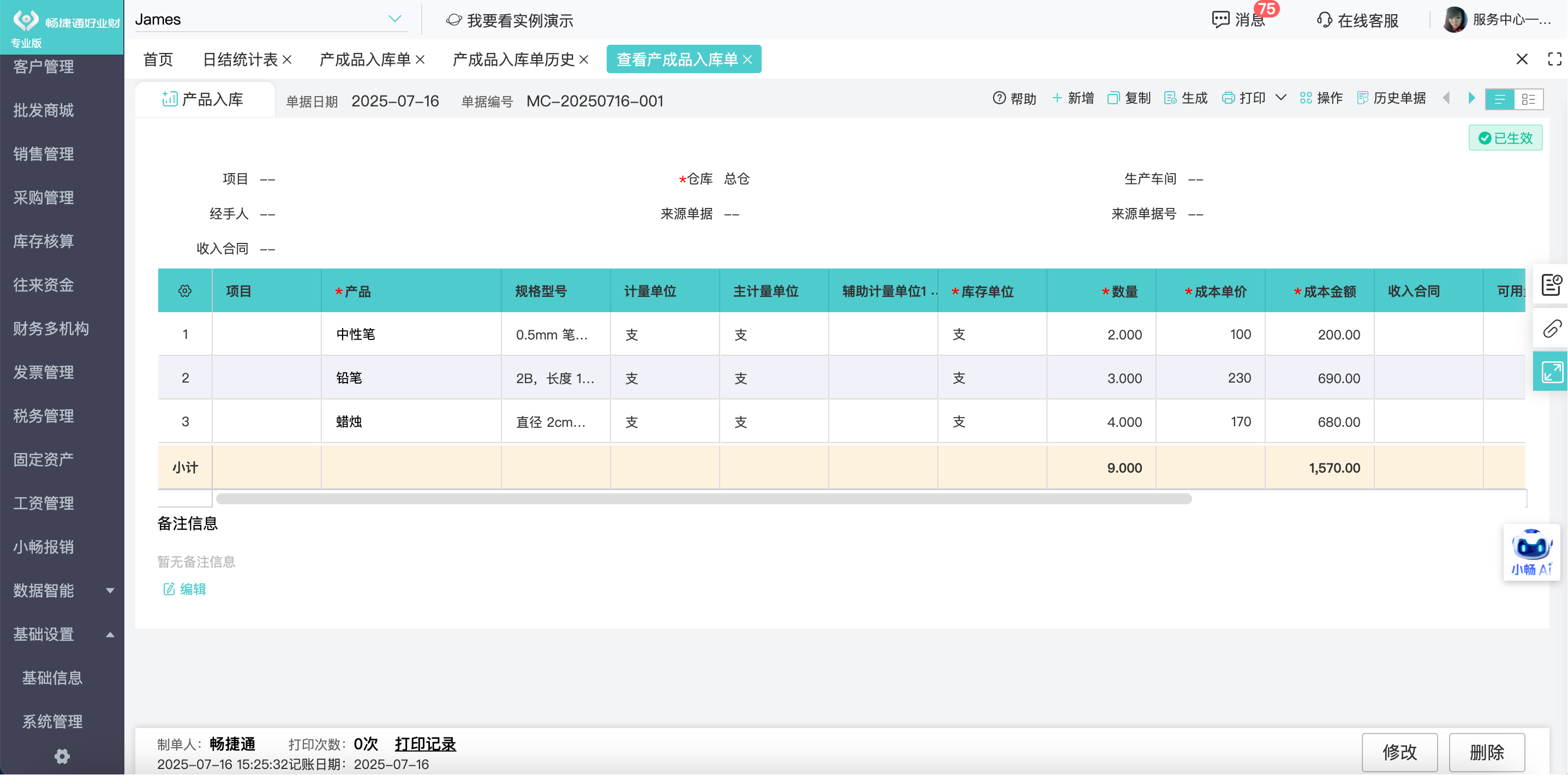
Finished-Goods Receipt with Quality Control
A standardized finished-goods receipt registers completion and handoff between shop and warehouse. Built-in quality status tags separate qualified and unqualified items and record reasons for traceability.
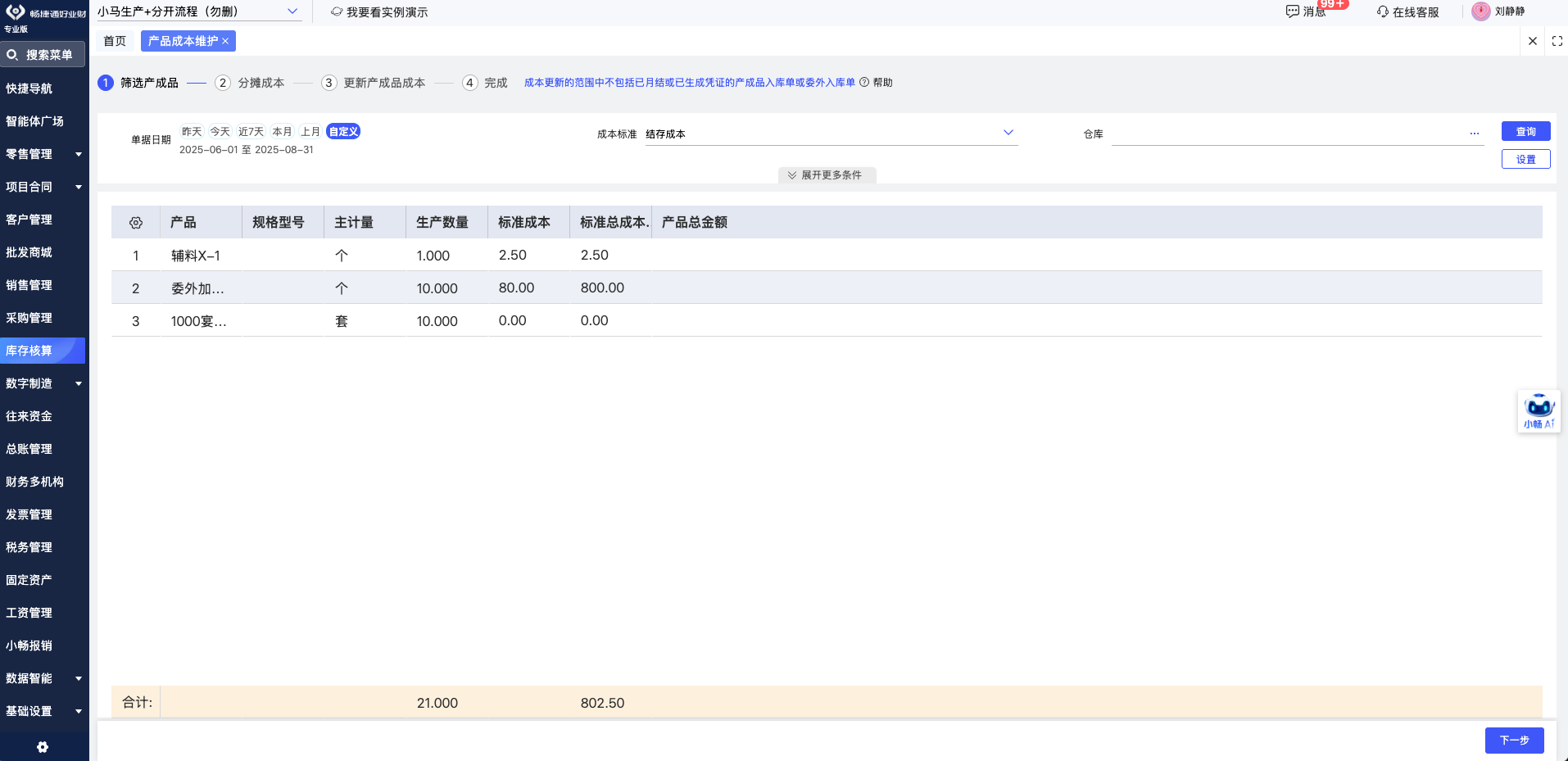
Precise Costing and Profit Analysis
Month-end product cost maintenance lets finance batch-adjust finished-goods cost for accurate allocation. Multi-dimensional costing by batch, attribute, or warehouse meets fine cost management.
Measurable Results
Standard Materials Lift Efficiency
Unified coding and BOM end the chaos; new hires learn the standard system fast, raising overall efficiency.
Real-Time Inventory, Better Plans
Live data across sales, purchase, inventory, and production lets planners see raw stock accurately, avoiding stoppages and pile-ups.
True Industry-Finance Integration
Business documents auto-generate vouchers, realizing real integration and auto reports that replace manual books, freeing finance for analysis.
Finance Freed for Analysis
When vouchers write themselves, the accountant stops being a data entry clerk and becomes a controller who watches cost drift and margin by product. That shift is where the finance function starts to pay for itself instead of just recording the past.
Conclusion
By standardizing codes, binding BOM, and unifying business with finance, the luggage maker swapped chaos for a digital, integrated operation, the foundation for steady competitiveness. Four users now run what once needed a roomful of ledgers and a great deal of hope, and the numbers finally tell the same story to the shop floor and the finance office. That shared view removes the endless reconciliation meetings and lets the team focus on making and shipping product. That shared view removes the endless reconciliation meetings and lets the team focus on making and shipping product.
Related reading
Solving Apparel Wholesale Pain Points with Online Selection and Smart Warehousing
An apparel wholesaler cut order-entry time, reduced churn, and tamed multi-warehouse picking with a cloud ERP. Online selection and attribute cataloging streamlined the flow.
Read guide →Customer Case StudyAustralia Frozen Meat Processor: Accurate Costing for Whole-Chicken Cutting
How a Melbourne frozen-meat processor used ERP barcode, BOM disassembly and batch control to cut receiving time and cost every chicken part precisely.
Read guide →Customer Case StudyHow a Beijing IC Company Achieved Finance–Operations Integration for Precision Management
A Beijing integrated-circuit maker unified purchasing, outsourcing, kit sales, and accounting in one ERP, automating cost allocation and cutting month-end close effort.
Read guide →