Overseas Game Publishing Agent Tracks Profit Across 20+ Projects With ERP
Running 20 to 30 overseas game-publishing projects left this agency unable to track profit. An integrated ERP suite now tracks income, cost, and margin per project.
Company Profile / Background
This case looks at an overseas game-publishing agent that runs as the domestic branch of a foreign game company. It localizes games for new markets: signing operating contracts with studios, running user-acquisition campaigns, managing operating expenses, and recognizing revenue in stages as payments arrive. At any time it runs 20 to 30 live titles, yet only four people handle all finance and operations.
Because each title runs on its own timeline and cost structure, the business depends on seeing every project's true margin. Before the upgrade, spreadsheets and manual entry made that visibility nearly impossible.
Core Challenges
Scattered Multi-Project Accounting Hid True Profit
Running 20 to 30 projects at once, each with different revenue points and costs, the finance team had to gather every campaign spend, outsourcing fee, and travel cost per title and match them to revenue. The work was huge and error-prone, and month-end profit reports took days of overtime yet stayed only roughly accurate.
Blind Spots in Receivables and Payables Risk
Dealing with multiple studios, ad platforms, and vendors created a web of receivables and payables. Without aging and due-date tracking, the team often found receivables two months overdue or paid suppliers late with penalties. Cross-border cash flow was also poorly monitored, exposing the firm to avoidable liquidity risk.
Cumbersome Approvals Slowed the Team
Reimbursements crossed several approval layers with long cycles, and expenses could not be tied to a project, so finance re-entered figures repeatedly. A single-language interface also slowed collaboration with the overseas team.
How the System Solved It
Project Registration Built a Unified Archive
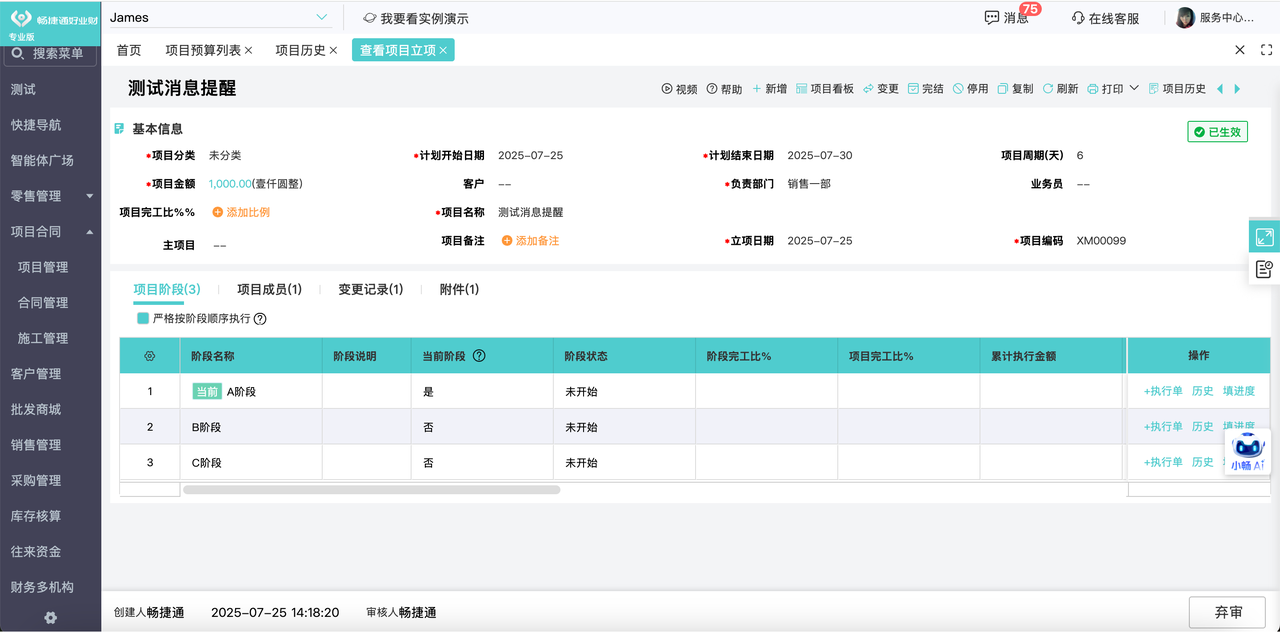
Using the platform's project management module, the team opened an independent project file for every game title, capturing the name, start and end dates, and team members so all master data stayed consistent. Projects could be classified by game genre, region, and partner, which made later comparison and analysis straightforward.
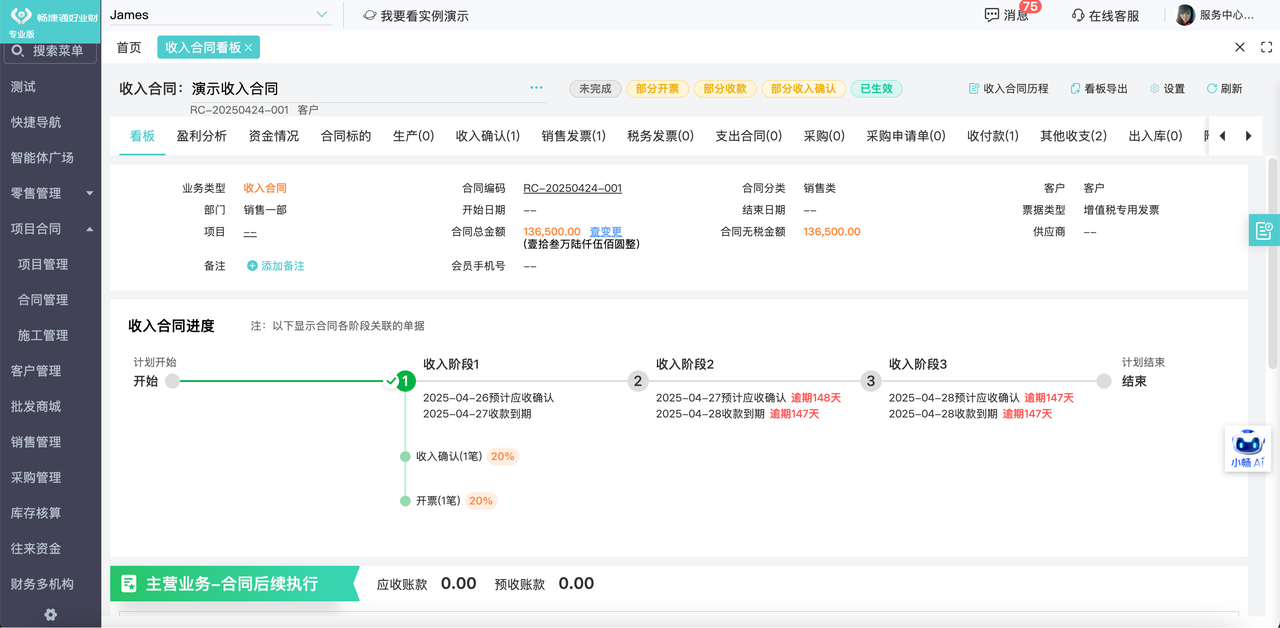
Revenue Contract Dashboard Monitored Every Project
A revenue contract dashboard pulled all game projects into one view, showing contract basics, collection progress, and revenue-recognition status. The system automatically highlighted the share of overdue collections and listed titles with abnormal gross margins, helping managers spot high-risk projects fast.
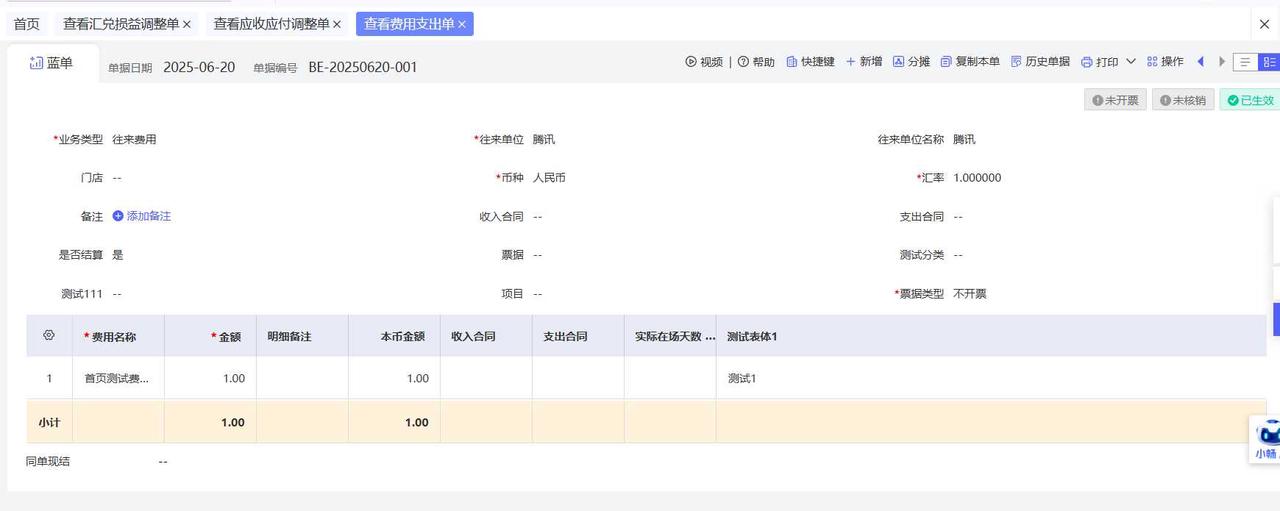
Expense Capture Tied Costs to Projects
A single expense form managed ad spend, outsourcing service fees, travel, and other project costs, with the system automatically attributing each cost to the right project. It also distinguished credit-based expenses, which linked to suppliers and supported pending postings, from cash expenses, which linked to payment accounts and generated payment records automatically.
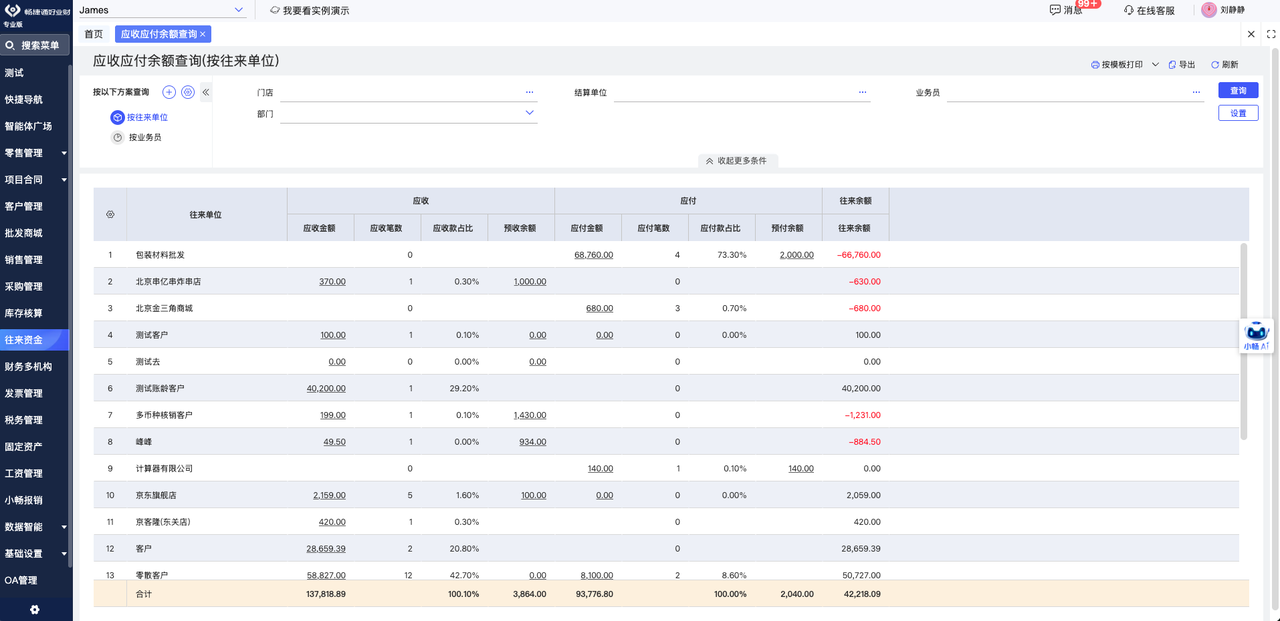
Receivables and Payables Under Control
A receivables and payables balance query gave real-time visibility into what was owed by and to each counterparty, with opening, current, and closing balances for any period. Built-in aging analysis warned the team about items approaching or already past due, keeping cash risk manageable.
Project Profit Analysis Made Margins Visible
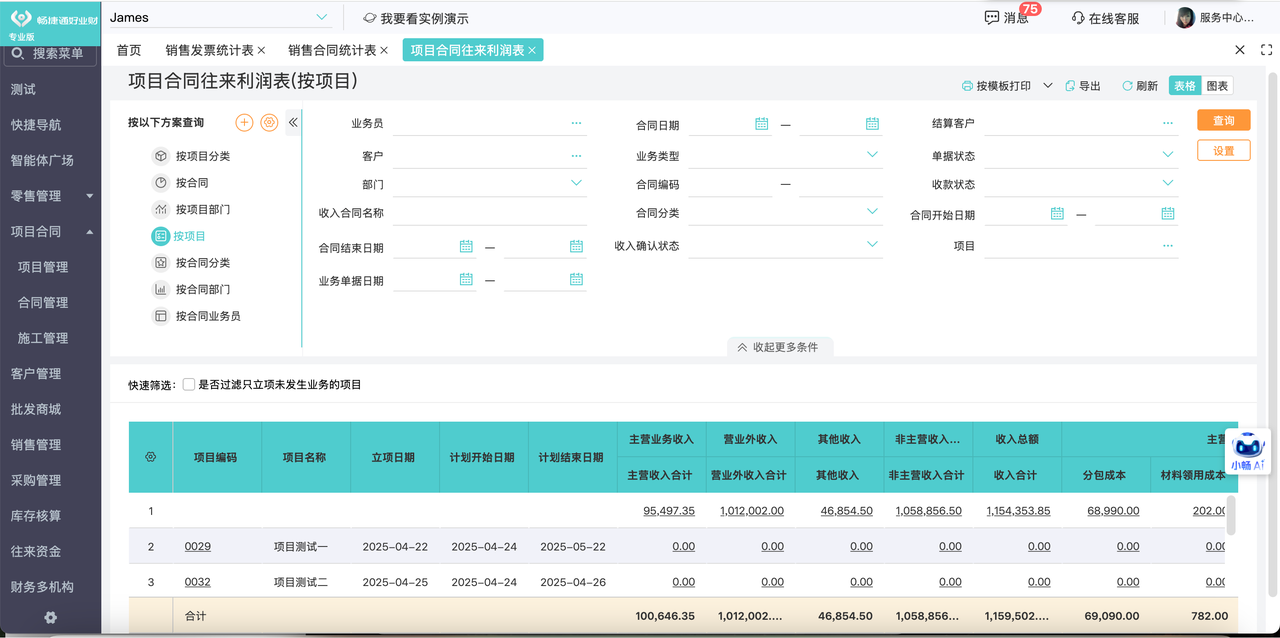
A project contract profit statement brought income, cost, and profit together for each title, so managers could clearly see which projects made money and which did not. Comparison by project, time, or partner gave a solid basis for optimizing the portfolio and allocating resources.
Faster Approvals Through Mobile Workflow
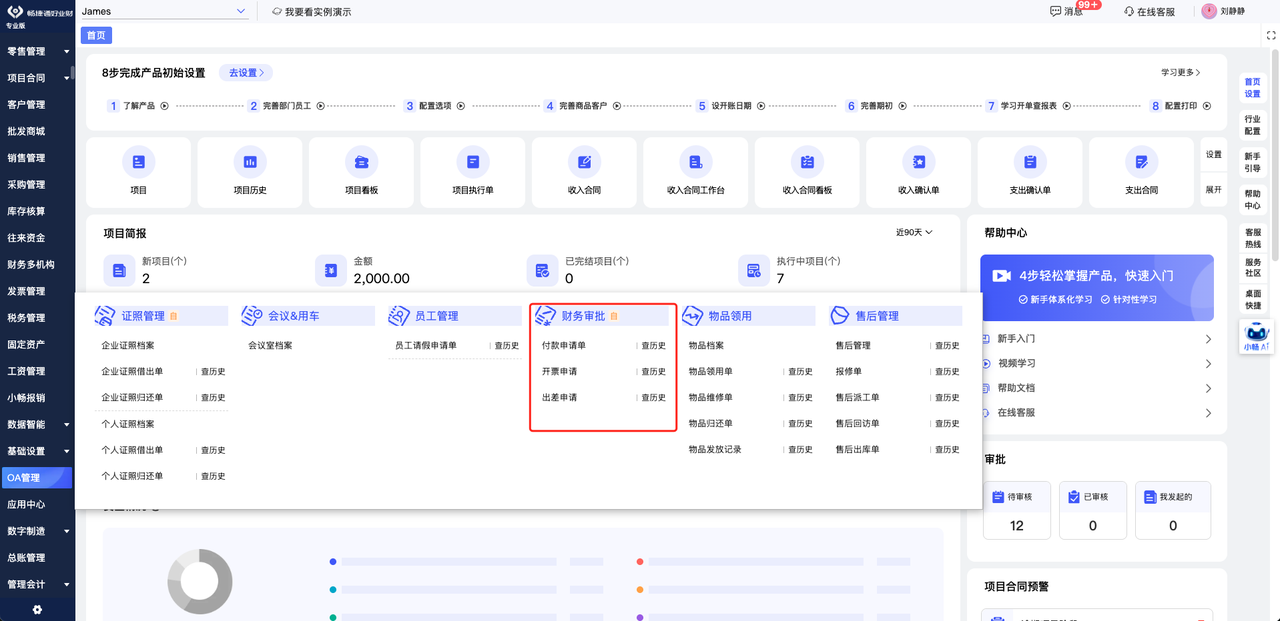
Core finance flows such as reimbursements and payment requests moved online with one-tap mobile approval, so work no longer stalled waiting for a signature. Approval routes could be set by type and amount, removing unnecessary steps and lifting overall efficiency.
Bilingual Interface Removed Language Barriers
An internationalization setting let users switch the interface between Chinese and English, meeting the needs of both domestic and overseas teams. The overseas team worked faster and made fewer errors caused by language gaps.

Measurable Results
Granular Project Accounting
After implementation, all 20 to 30 titles were accounted for independently. Dashboards and profit reports let management see each project's income, cost, and margin at a glance and quickly separate winners from losers. Automatic collection of every transaction sharply improved accuracy and gave reliable support for resource decisions.
Smarter Cash-Flow Risk Control
Balance queries and aging analysis gave an early-warning system for funds, flagging overdue items so finance could chase payment or settle bills on time. Cross-border cash movement also became transparent and controllable.
Higher Team Productivity
Streamlined approvals sped up reimbursements and spending, while automatic project attribution removed duplicate data entry. Mobile approval shortened cycle times, and the bilingual interface cleared collaboration obstacles for the international team.
Conclusion
By adopting this ERP suite, the agency did more than solve the headache of managing many projects at once. It built a transparent, efficient, and intelligent project-operations platform that lets it pinpoint profit and loss per title, allocate resources wisely, and sustain growth in the fiercely competitive game-publishing market.
Related reading
Solving Apparel Wholesale Pain Points with Online Selection and Smart Warehousing
An apparel wholesaler cut order-entry time, reduced churn, and tamed multi-warehouse picking with a cloud ERP. Online selection and attribute cataloging streamlined the flow.
Read guide →Customer Case StudyAustralia Frozen Meat Processor: Accurate Costing for Whole-Chicken Cutting
How a Melbourne frozen-meat processor used ERP barcode, BOM disassembly and batch control to cut receiving time and cost every chicken part precisely.
Read guide →Customer Case StudyHow a Beijing IC Company Achieved Finance–Operations Integration for Precision Management
A Beijing integrated-circuit maker unified purchasing, outsourcing, kit sales, and accounting in one ERP, automating cost allocation and cutting month-end close effort.
Read guide →