Shanghai Coating Maker Plans Multi Level BOM With MRP and Costing
A Shanghai coating maker with multi-level BOMs could not plan materials or cost batches. MRP planning, production tracking, and granular costing brought accuracy.
Company Profile / Background
This case study features a Shanghai chemical-coatings maker that develops, produces, and sells liquid coatings such as floor coatings, pigmented paints, varnishes, hardeners, and color pastes. It builds to order, using multi-level BOMs to convert raw materials by formula into semi-finished goods and then into final products. Because every formulation is recipe-based, even a small error in the bill of materials ripples straight into purchasing, scheduling, and finally the margin on each batch.
Coatings are formula-driven and color-heavy, so planning and costing hinge on clean BOM data. Weak fundamentals had been undermining both MRP and cost visibility. The plant also ran frequent custom colors for specific clients, so the BOM library had to evolve constantly without breaking the link between engineering and the shop floor. Getting that link right was the real test of the project.
Core Challenges
Complex Color Attributes Broke BOM Matching
A single product could span thousands of color variations, so building a BOM for each color was impossible. During planning runs the system could not auto-match the right BOM, making material requirements inaccurate and hurting purchasing and scheduling.
Messy BOM Data Distorted MRP
BOM levels were inconsistent, with mismatched version numbers and confused default versions. These master-data flaws directly broke MRP accuracy, miscomputing material needs and failing to guide purchasing and production.
Inaccurate Production Costing Lacked Support
Actual material used differed from BOM standard, yet no systematic cost-collection existed. The firm could not cost each batch accurately, weakening pricing and profit analysis and leaving management without solid cost data.
How the System Solved It
The team focused the rollout on three connected capabilities: planning that respected the BOM structure, live production visibility, and costing that finally matched reality. Each capability is described below.
MRP Planning Produced Precise Material Needs
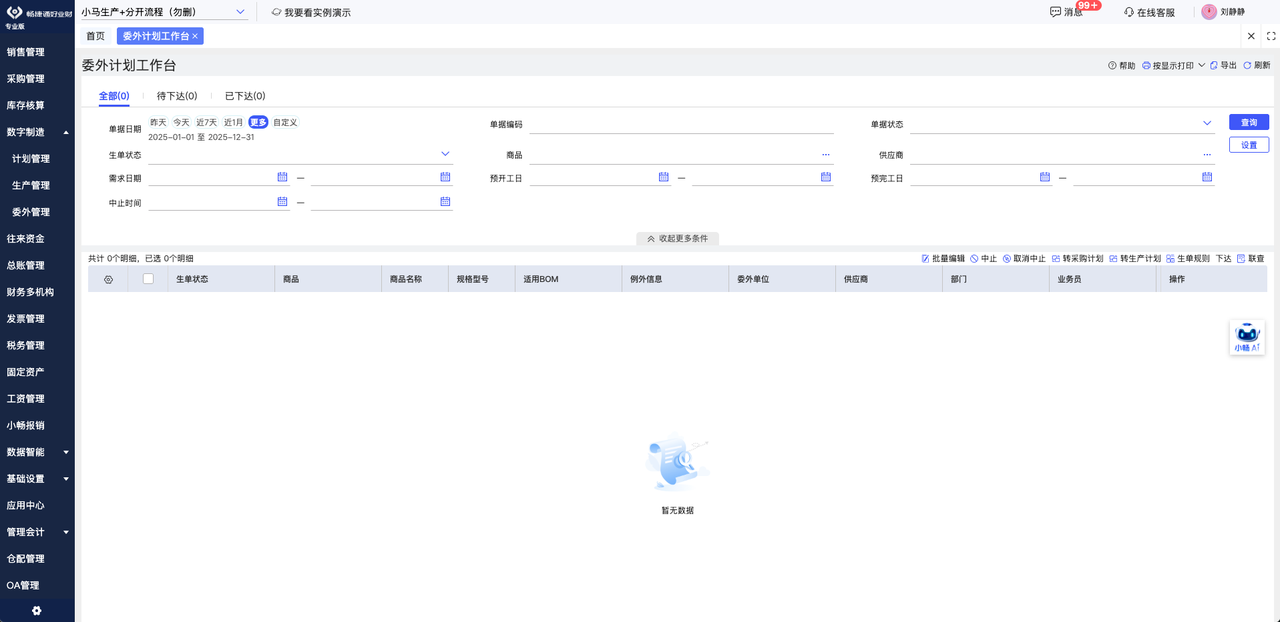
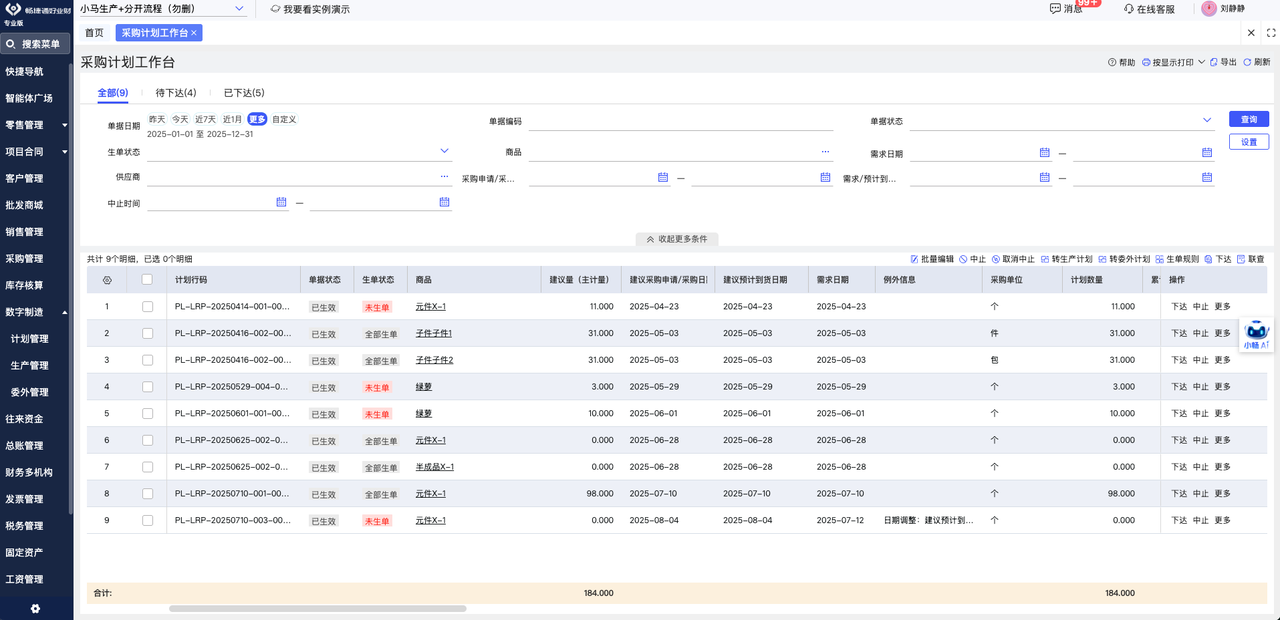
The digital manufacturing planning module ran MRP from sales orders and BOMs to compute material requirements that matched buying and production. Parameter settings for lead time, safety stock, and minimum batch auto-generated purchase advice, avoiding overstock or shortage. Batch handling of plans for review, adjust, split, and release ended slow, error-prone manual math. Planners could also simulate a what-if plan before committing, which built trust in the numbers.
Production Tracking Gave Real-Time Progress
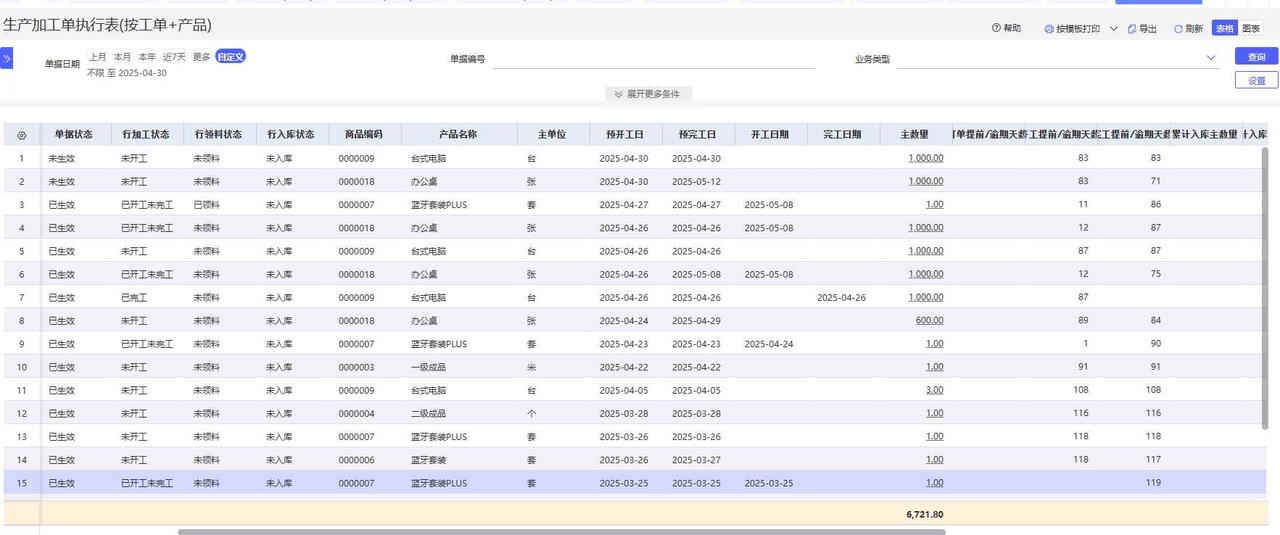
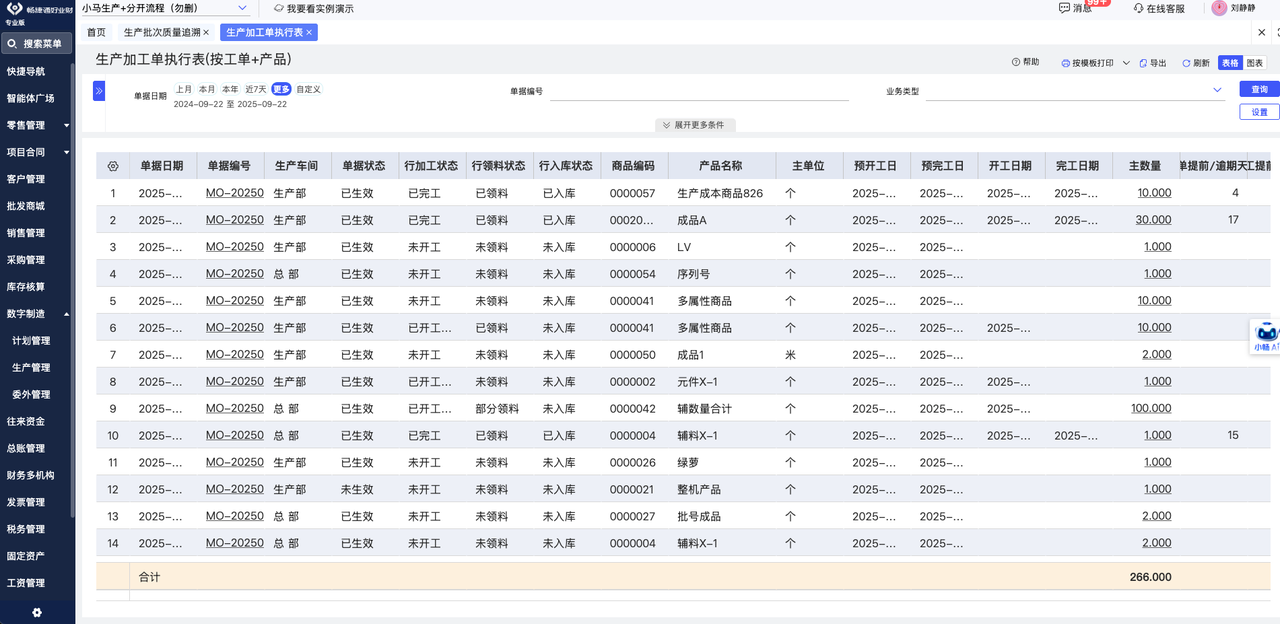
A production order execution report traced each work order's full lifecycle, including planned and actual received quantities. Monthly inbound progress showed production rhythm and auto-computed period and cumulative ratios. A full chain from sales order to work order enabled fast response and better coordination. Supervisors used the same view on the floor, so the office and the plant finally worked from one picture.
Fine Costing Drove Decisions
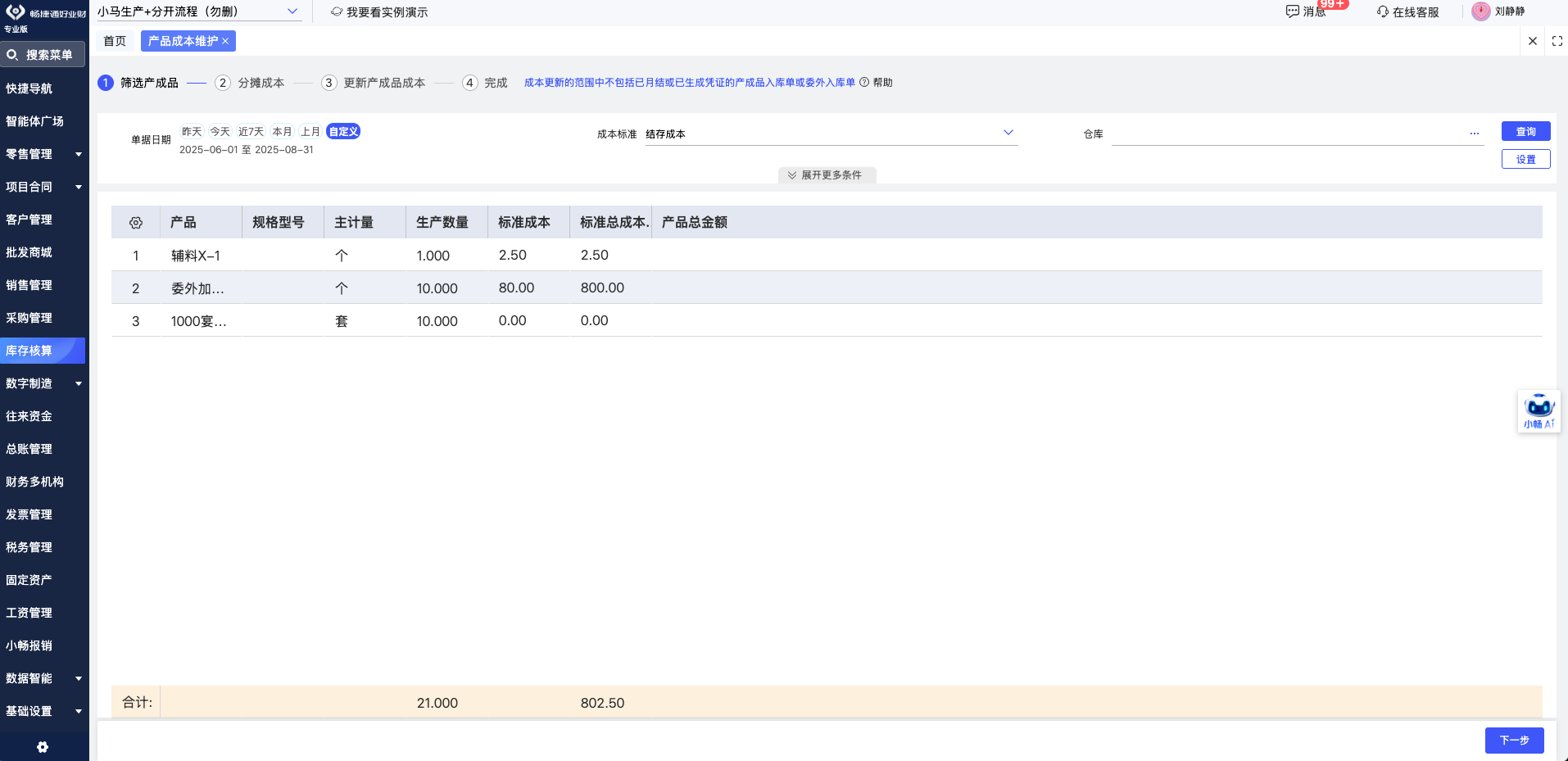
Product cost maintenance allowed batch adjustment of finished-goods cost on inbound for accuracy. Multi-dimensional queries summarized inbound by batch, attribute, or warehouse, with standard cost and allocation support. Re-maintenance of cost kept data current for decisions. Finance closed the month without the late-night scramble that the old manual method always demanded.
Measurable Results
The combined effect was a step change in how the plant planned, produced, and priced. The outcomes below capture what management noticed after the system went live.
Planning Accuracy Stabilized Supply
MRP lifted material-requirement accuracy, and with safety-stock and batch rules it cut manual error and avoided shortages or pile-ups. Faster purchasing plans made the supply chain more responsive and production steadier. Buyers stopped second-guessing quantities from memory and instead acted on a system they could defend to management.
Transparent Production Boosted Coordination
A full trace chain from sales order to work order let management see progress and material use live. Coordination rose, delivery promises grew accurate, and satisfaction improved. When a custom color ran late, the team could explain exactly where it stalled instead of guessing.
Precise Costing Made Profit Visible
Systematic collection and allocation let the firm cost each batch accurately, backing pricing and profit analysis. Stronger cost control and clearer profit analysis gave a firm data base for strategy. Low-margin products that once hid inside averaged reports now stood out clearly, guiding the sales team on where to push.
Conclusion
By deploying this ERP suite, the Shanghai coating maker built a digital production system that solved complex BOM management and costing. It now holds a stronger competitive footing in the chemical-coatings industry.
Related reading
Solving Apparel Wholesale Pain Points with Online Selection and Smart Warehousing
An apparel wholesaler cut order-entry time, reduced churn, and tamed multi-warehouse picking with a cloud ERP. Online selection and attribute cataloging streamlined the flow.
Read guide →Customer Case StudyAustralia Frozen Meat Processor: Accurate Costing for Whole-Chicken Cutting
How a Melbourne frozen-meat processor used ERP barcode, BOM disassembly and batch control to cut receiving time and cost every chicken part precisely.
Read guide →Customer Case StudyHow a Beijing IC Company Achieved Finance–Operations Integration for Precision Management
A Beijing integrated-circuit maker unified purchasing, outsourcing, kit sales, and accounting in one ERP, automating cost allocation and cutting month-end close effort.
Read guide →