Aquatic Processing Costing: From Raw Material to Finished Product
How a Shantou aquatic processor replaced manual cost allocation with ERP assembly orders, purchase cost spreading and shelf-life control to lift margin accuracy.
Costing Complexity in Aquatic Processing
Aquatic processing is unforgiving on cost. A single raw material like shrimp or fish becomes many graded finished products, and every grading, packing, and utility step adds cost that must be recovered in the price. Companies that rely on rough estimates soon find some products silently lose money while others carry inflated costs. Add strict shelf-life rules and the risk of spoilage, and the need for precise, digital cost control becomes obvious.
Company Profile: A Shantou Aquatic Processor
This case covers a Shantou-based food company specializing in aquatic products. It buys fresh shrimp and fish for deep processing, producing peeled shrimp in three grades, A, B, and sub-grade, alongside fish fillet, fish bone, fish neck, fish tail, fish maw, and fish roe. Its range spans both freshwater and seawater products and reaches customers through online e-commerce as well as offline wholesale and retail.
- Based in Shantou, focused on aquatic product processing
- Processes fresh shrimp and fish into multiple graded outputs
- Peeled shrimp graded A, B, and sub-grade
- Sells fish fillet, bone, neck, tail, maw, and roe via online and offline channels
Core Challenges Before Implementation
Production costs were inaccurate
The legacy Kingdee Jingdouyun system could only manage production with simple assembly and disassembly documents, so it could not accurately cost the full path from raw material to semi-finished goods to finished product. Utilities, labor, and packaging supplies had to be spread across products by hand, a heavy task that produced unreliable results. The business could not truly know the cost and profit of any single product.
Expense allocation distorted the numbers
Inbound freight was allocated to raw-material cost manually, so real purchase cost was never computed automatically. Manufacturing overhead lacked a scientific basis and was only roughly estimated or averaged, which understated the cost of high-energy products and overstated low-energy ones. That distortion fed straight into wrong pricing and misleading profit analysis.
Poor stock data raised food-safety risk
With no effective batch and shelf-life control, inventory records were often wrong and required frequent recounts to recover the truth. For products with strict expiry rules, there was no early warning for near-expiry stock, leaving the business exposed to both food-safety incidents and avoidable spoilage loss.
How the System Solved It
The company adopted a platform whose production management and cost accounting modules form one connected production-finance system, replacing manual sheets with automated, auditable workflows.
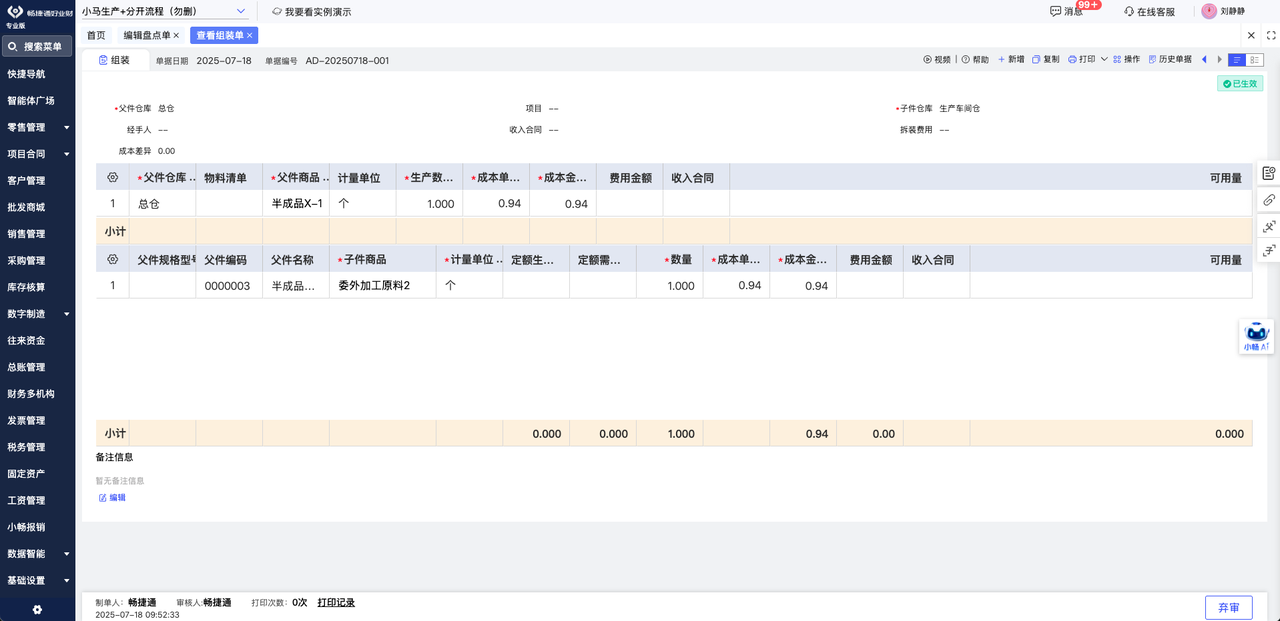
Assembly orders simplify production
The assembly order records exactly which raw materials and quantities go into each finished product, supporting the full flow from raw material to semi-finished to finished goods. The system automatically collects material cost into the finished item, solving cost accounting for straightforward production and retiring the old manual assembly-disassembly routine.
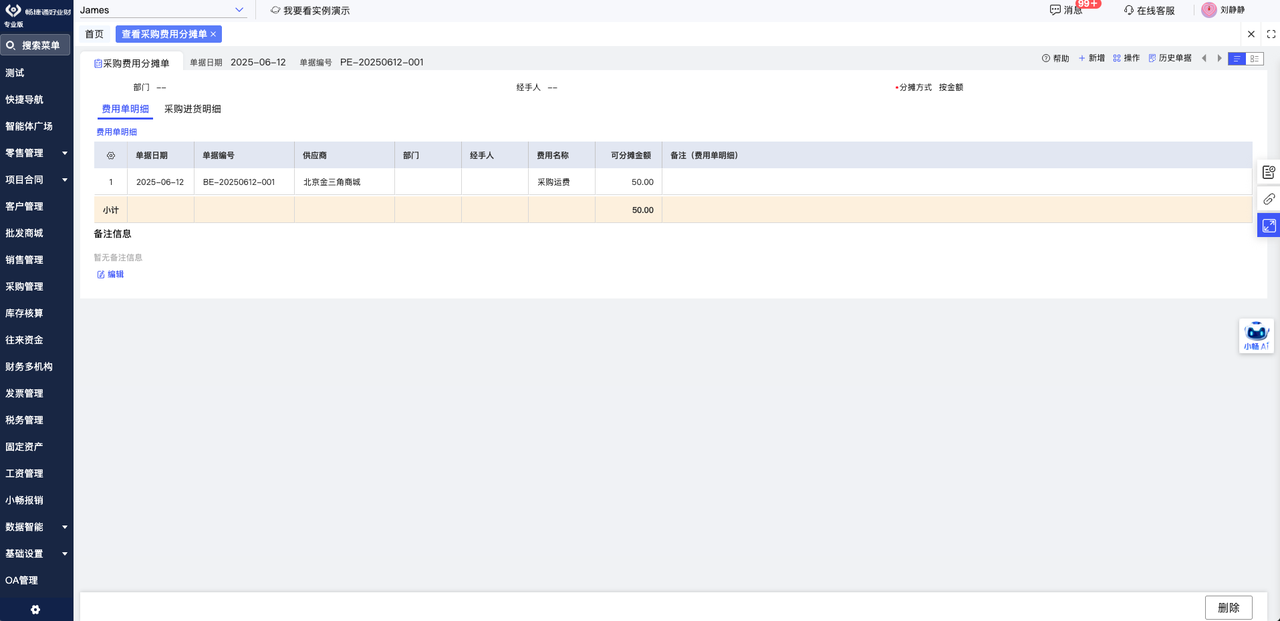
Purchase cost allocation for true costs
The purchase cost allocation document spreads transport and other buying expenses onto the specific goods received, computing the real purchase cost of every batch. An intelligent allocation algorithm prevents the cost distortion that comes from lump-sum posting, keeping cost accounting accurate and defensible.
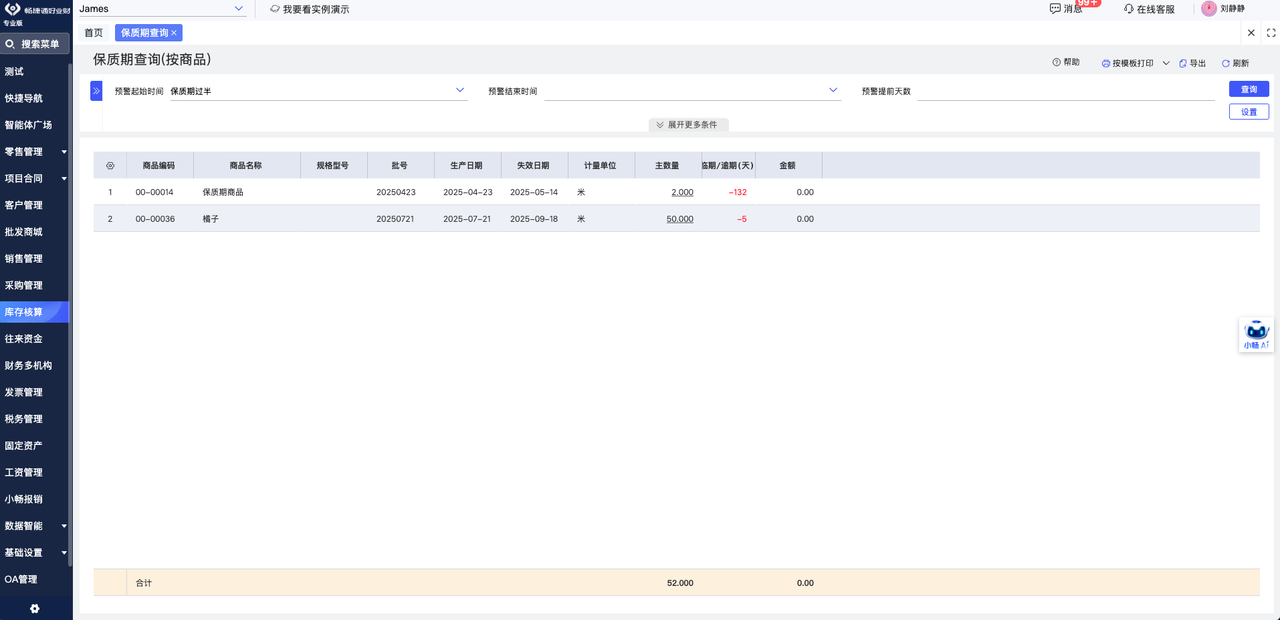
Shelf-life control cuts food-safety risk
The shelf-life query monitors expiry status in real time and supports warning rules such as half-life elapsed or past two-thirds, automatically filtering the matching items. Linked to the message center, it sends reminders the moment a rule is met, so staff act before goods expire and avoid needless loss.
Multi-unit management for flexible sales
The unit-of-measure feature sets a base unit such as pack, kilogram, or box and defines conversion between them, so the same product sells in different units without confusion. A unified measurement standard keeps purchasing, sales, and inventory consistent and prevents the settlement errors that mixed units used to cause.

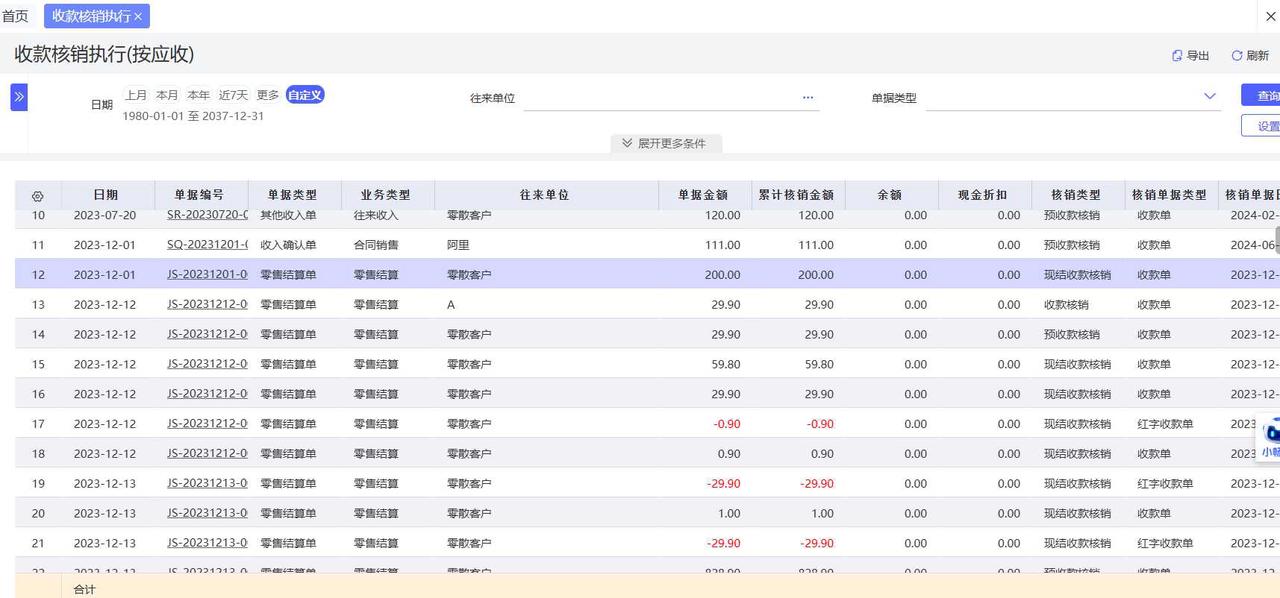
Receipt write-off speeds cash recovery
The receipt write-off function matches collections precisely to accounts receivable, automatically confirming which invoice a payment settles and reducing the receivable balance. It removes the confusion of slow, error-prone manual write-off and makes sure every payment lands against the right customer and document.
Measurable Results
Automated costing lifts finance efficiency
Direct materials, consumed materials, and manufacturing overhead are now collected automatically, and month-end costing finishes with one click. Finance is freed from heavy manual allocation and can spend its time on cost analysis and decision support, while cost data stays accurate and timely.
Digital production improves transparency
The whole production flow, from buying raw material through processing to finished-goods storage, is now traceable and replaces the old manual documents. Management sees production progress and cost consumption in real time, giving strong support to planning and cost control.
Food-safety control reduces loss
Batch and shelf-life mechanisms bring food-safety control and stock warnings that cut expiry loss. By acting early on near-expiry goods, the company reduces inventory shrinkage, lifts turnover, and stays compliant on food safety.
Conclusion
With the platform in place, the processor replaced guesswork with a precise, transparent, and efficient production-management system. It can now control cost, protect food safety, and grow sustainably in a fiercely competitive aquatic processing market.
Related reading
Solving Apparel Wholesale Pain Points with Online Selection and Smart Warehousing
An apparel wholesaler cut order-entry time, reduced churn, and tamed multi-warehouse picking with a cloud ERP. Online selection and attribute cataloging streamlined the flow.
Read guide →Customer Case StudyAustralia Frozen Meat Processor: Accurate Costing for Whole-Chicken Cutting
How a Melbourne frozen-meat processor used ERP barcode, BOM disassembly and batch control to cut receiving time and cost every chicken part precisely.
Read guide →Customer Case StudyHow a Beijing IC Company Achieved Finance–Operations Integration for Precision Management
A Beijing integrated-circuit maker unified purchasing, outsourcing, kit sales, and accounting in one ERP, automating cost allocation and cutting month-end close effort.
Read guide →