Sichuan City-Investment SOE Unifies Construction, Procurement and Finance on One Platform
A Sichuan city-investment SOE unified construction, procurement and finance on one platform, gaining project visibility, automatic cost collection and tight budget control.
Company Profile / Background
Ya'an City Investment and Development Co., Ltd. (Ya'an Chengtou) was established in August 2012 with registered capital of RMB 1 billion. As a municipal state-owned enterprise approved by the Ya'an municipal government, it is headquartered in Ya'an, a city promoted as the lungs of the Tianfu region and hometown of the giant panda. The company concentrates on major government municipal works and market-driven urban comprehensive development, and has grown into a local SOE spanning six business segments: construction, engineering consulting, urban-rural energy, real estate development, building materials, and city operations.
Driven by China's 14th Five-Year Plan emphasis on building a Digital China and creating new advantages in the digital economy, Ya'an Chengtou needed to accelerate its own intelligent transformation. The stated goal was to build an information-management platform that brings project contracts, cost control, material procurement and financial management fully online, enabling an enterprise-wide 'one map, one set of reports' management view that uses digital means to empower smarter operations.
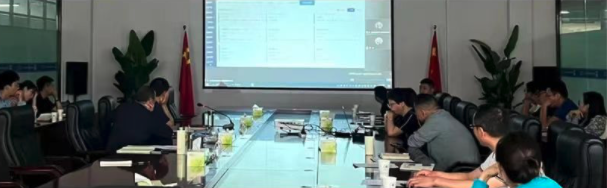
Ya'an Chengtou and the Chanjet (Yonyou) team exchanged views on application requirements and product functions before go-live.
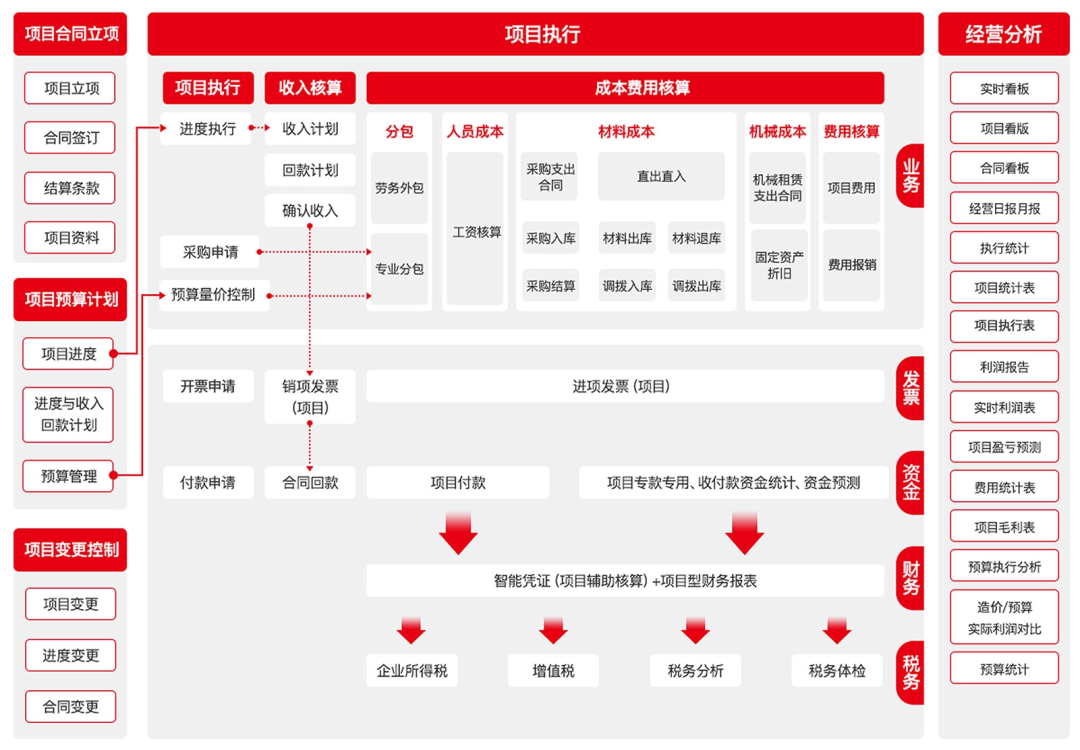
The blueprint achieves deep integration of construction project management and finance on the Chanjet platform.
Core Challenges
Scattered projects with no live progress view
Ya'an Chengtou undertakes many construction projects with long cycles. Because each project sits at a different stage, managers could not see progress at a glance and had to ask project managers individually, a slow and opaque process that left leadership guessing.
Manual, error-prone cost allocation
The cost of building materials and equipment, together with on-site expenses, all had to be allocated to specific projects. That allocation was done by hand, was labor-intensive and frequently produced errors, so true project margin was hard to know.
Budget, finance and inventory trapped in separate systems
Project budgets lived in one system, financial books in U8, and inventory in yet another. Running several systems in parallel disconnected budget execution from control, lowered cost-budget efficiency and weakened protection of project profit.
Broken coordination between sister companies
The supply-chain company and the construction company are essentially buyer and seller, but multiple systems made the handoff inefficient and data error-prone. Reconciling the supply-chain unit with its upstream purchasing suppliers was especially painful.
How the Platform Solved It
A single map for live project progress
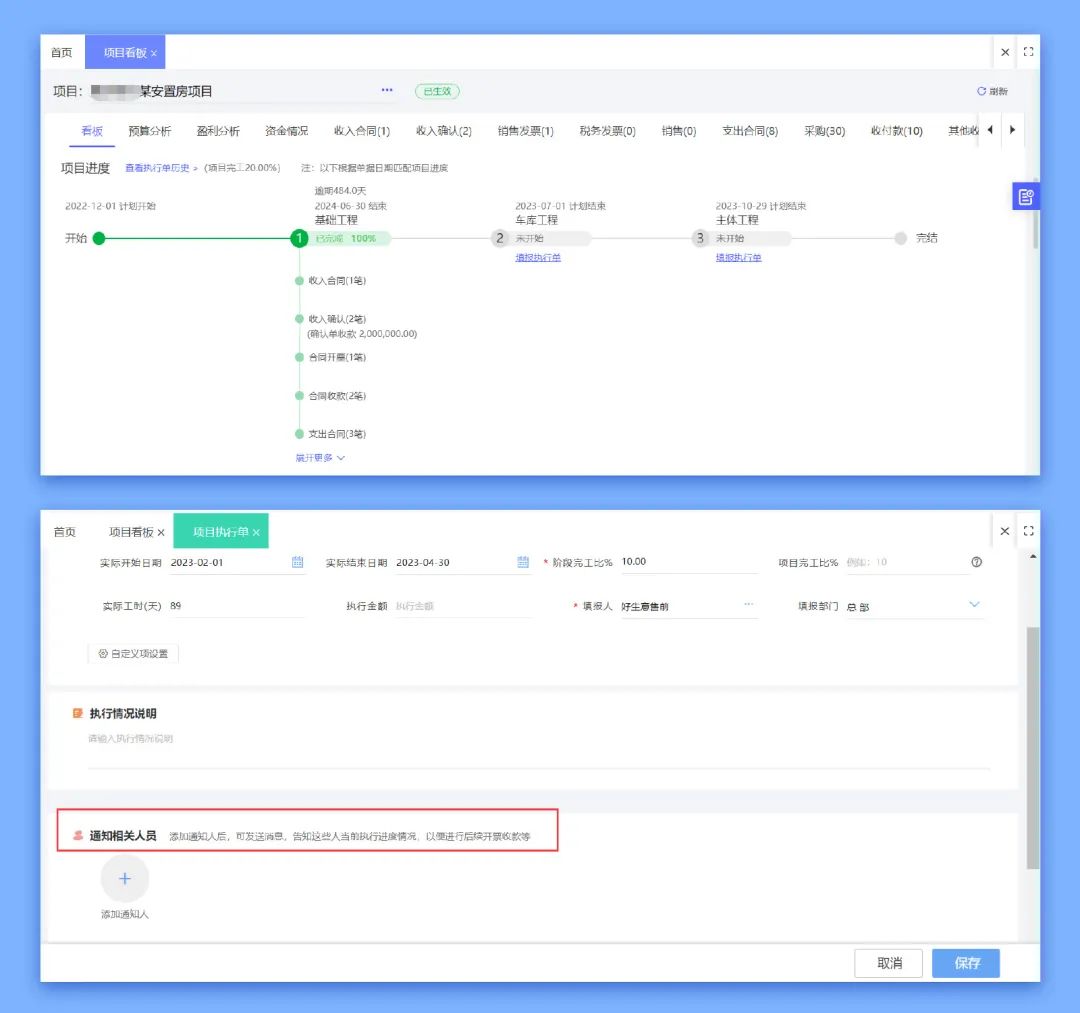
The platform provides a project kanban where every project's progress is visible at a glance. Project managers report stage progress directly on the kanban, and the system notifies the owner and the finance team about collections, linking delivery progress to cash recovery.
Real-time collection of material cost and expenses
Through the project kanban and contract kanban profitability analysis, material costs and expenses are collected in real time against the relevant project, so cost anomalies are caught as they happen rather than discovered at month-end.
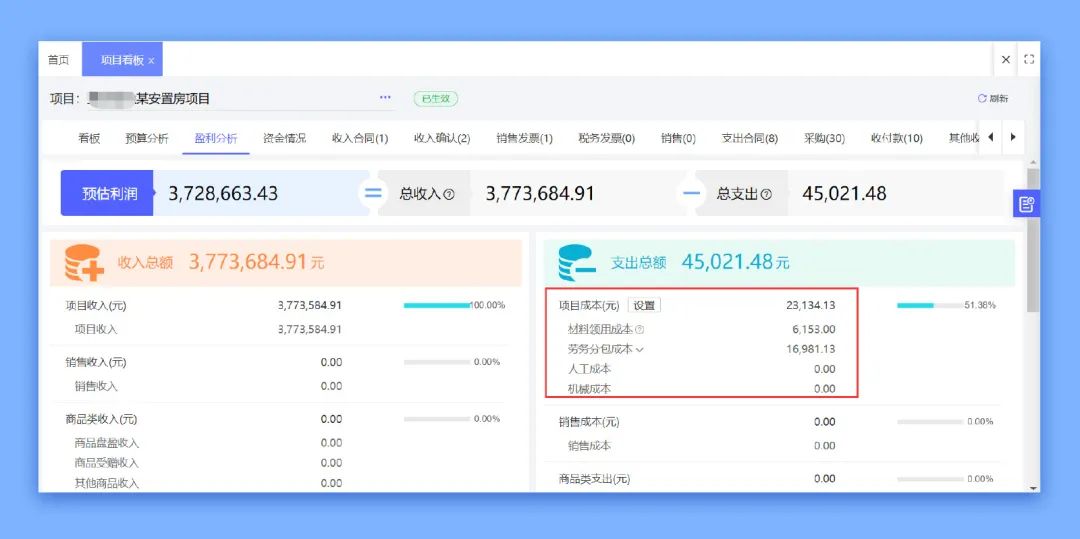
One table for strong budget control
Instead of juggling disconnected systems, the company now runs project budget control inside one system, governing project expenses, outsourced labor and material cost to protect the profit of every project.
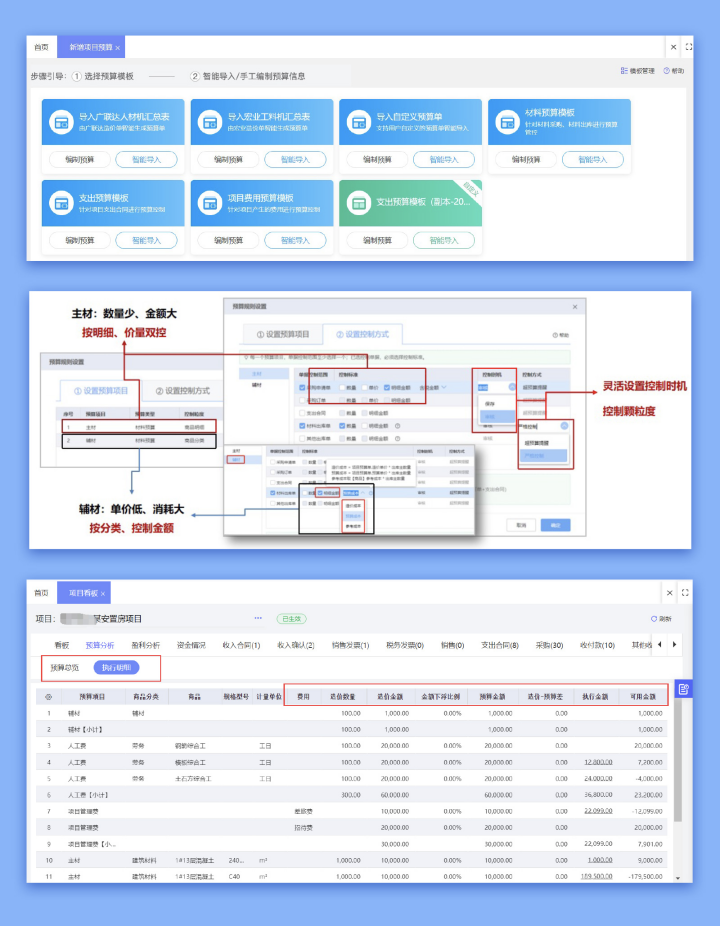
One system to coordinate construction and supply chain
Enterprise collaboration connects the supply-chain and construction units. The construction unit raises a purchase order that automatically generates a sales order in the supply-chain unit; the supply-chain unit then procures from its upstream supplier, and goods are delivered straight to the site and settled by the on-site weighbridge weight against that supplier.
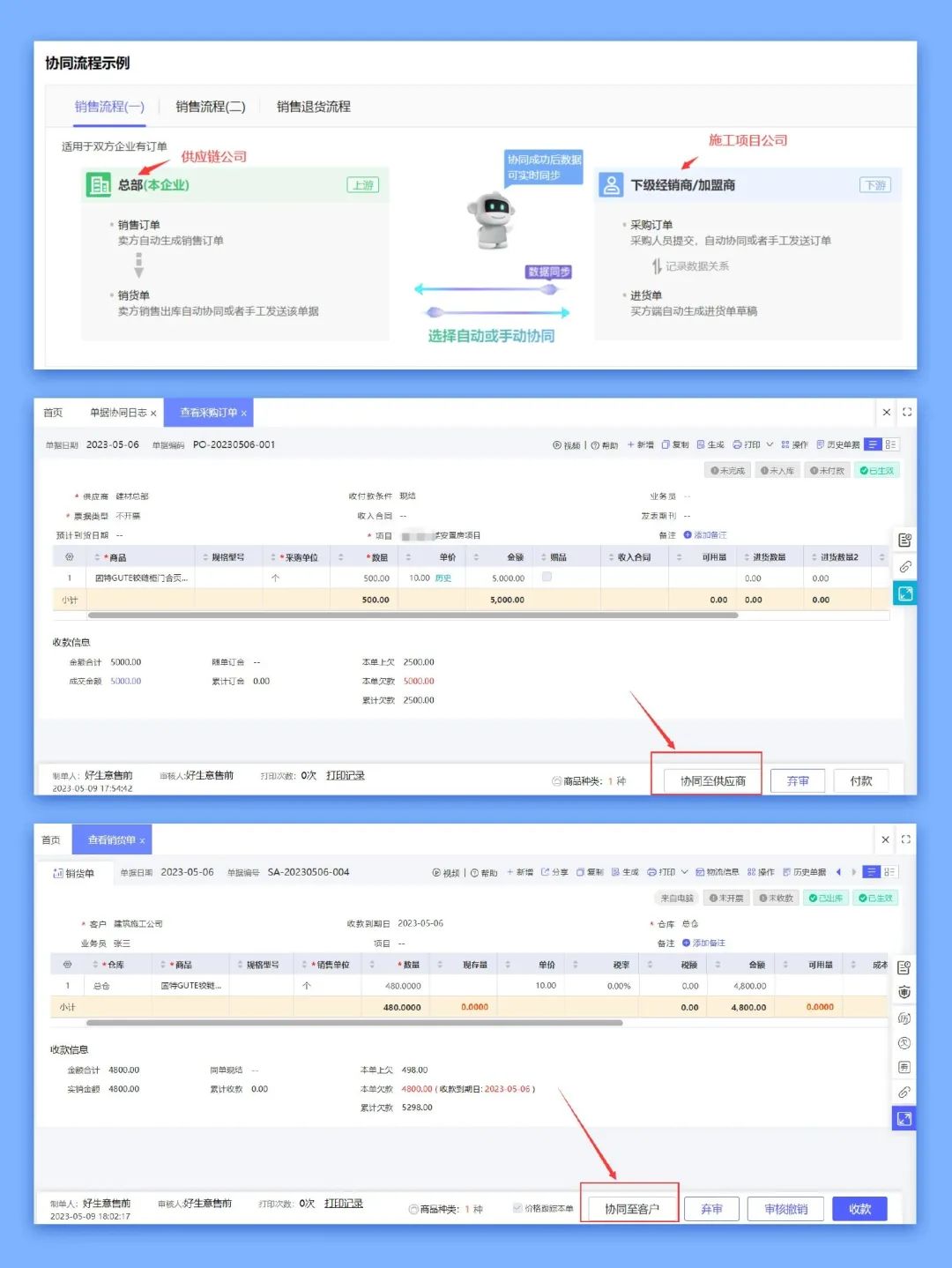
Expert implementation and continuous service
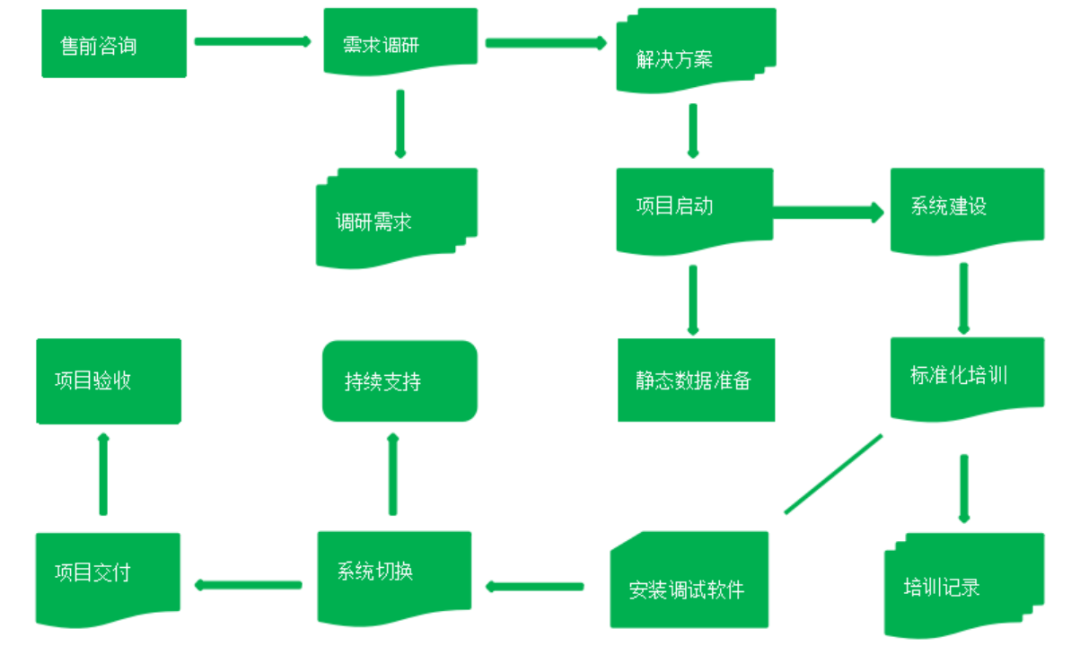
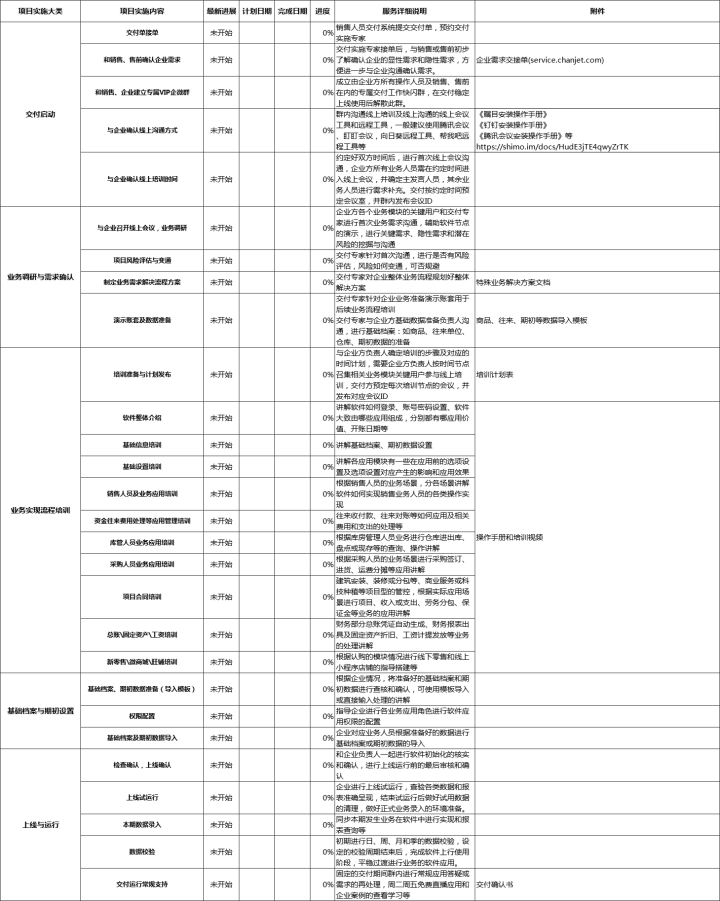
Guided by a customer-first, continuous-innovation mindset, a specialist implementation team supported product training, initialization and go-live with professional online tracking and advisory services.
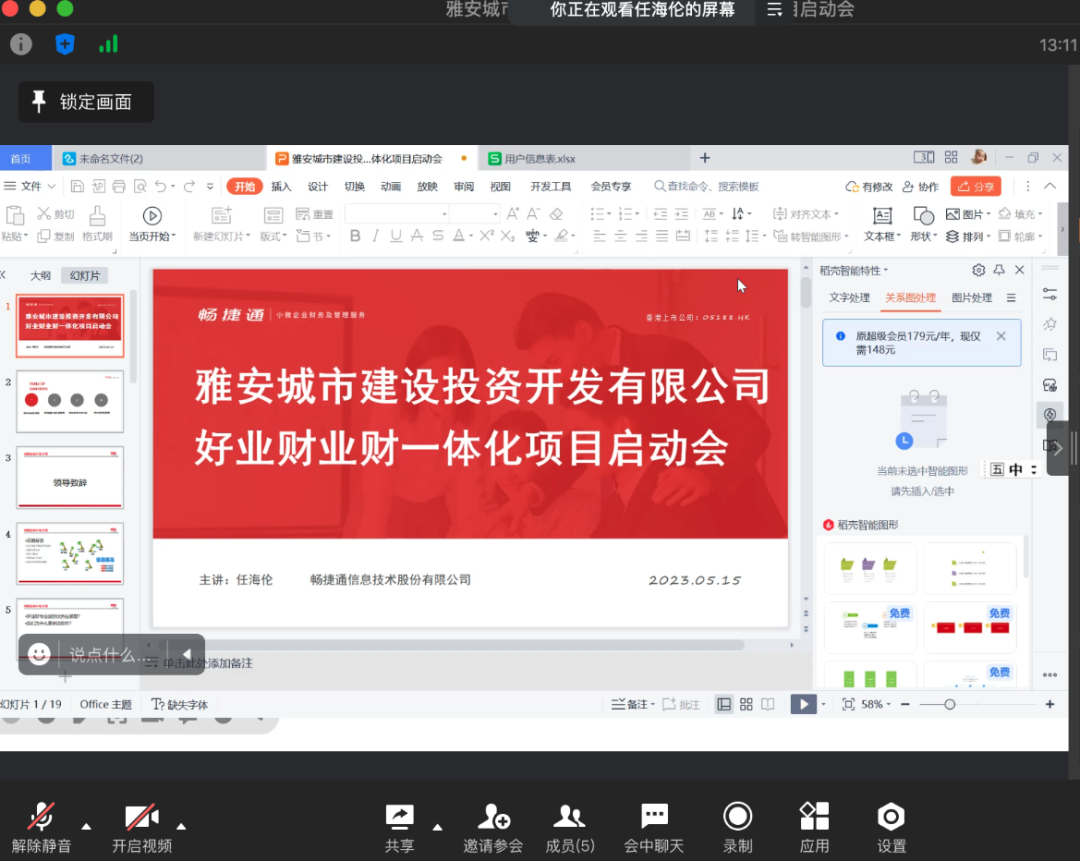

Measurable Results
Visibility and control achieved
Although the deployment did not publish a single headline metric, the operational gains were concrete: project status became visible at a glance instead of by phone call; material and expense costs are now collected automatically per project in real time; budget overruns are blocked inside one system rather than discovered after the fact; and the construction to supply-chain handoff runs on a single connected workflow with automated upstream reconciliation.
Stronger profit protection
For a multi-segment state-owned enterprise, unifying progress, cost collection, budget control and cross-company collaboration turns isolated data into an enterprise-wide one map, one set of reports management view, giving leadership confidence that each project's margin is protected.
Conclusion
Ya'an Chengtou's journey shows how a city-investment SOE can move from parallel, manual systems to a connected industry-finance platform. By unifying project progress, cost collection, budget control and cross-company collaboration, the ERP suite gives management the real-time visibility needed to protect margin and scale operations confidently.
Related reading
Solving Apparel Wholesale Pain Points with Online Selection and Smart Warehousing
An apparel wholesaler cut order-entry time, reduced churn, and tamed multi-warehouse picking with a cloud ERP. Online selection and attribute cataloging streamlined the flow.
Read guide →Customer Case StudyAustralia Frozen Meat Processor: Accurate Costing for Whole-Chicken Cutting
How a Melbourne frozen-meat processor used ERP barcode, BOM disassembly and batch control to cut receiving time and cost every chicken part precisely.
Read guide →Customer Case StudyHow a Beijing IC Company Achieved Finance–Operations Integration for Precision Management
A Beijing integrated-circuit maker unified purchasing, outsourcing, kit sales, and accounting in one ERP, automating cost allocation and cutting month-end close effort.
Read guide →