How a Snack Food Leader Drives Sales, Motivation, and Smarter Stocking
A snack-food leader automated sales commissions, surfaced product margins, and adopted smart replenishment. The cloud ERP turned manual work into self-service insight.
Company Profile / Background
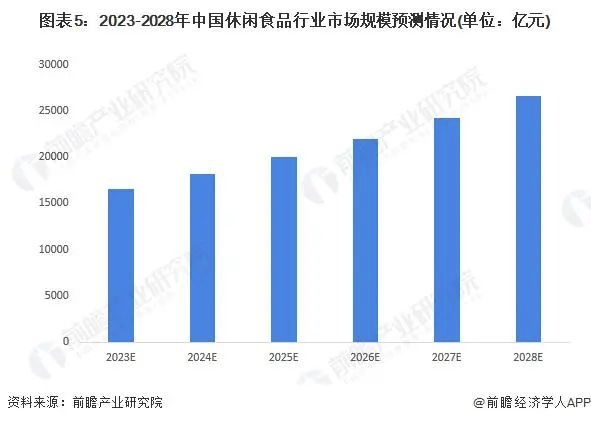
The company is a leading player in the snack-food wholesale segment, moving a broad range of packaged foods through a sizeable sales organization. Like many distributors at scale, its pressures were less about finding customers and more about running the business well: selling efficiently, keeping the sales team motivated with fair and transparent incentives, and making stocking decisions on real data rather than gut feel. In a category where margins are thin and shelf life is short, small leaks in motivation and inventory discipline compound into real money lost.
Core Challenges
Paying and motivating the sales team
Commissions had to be calculated by hand and payslips distributed manually, while reps had no easy way to see their own earnings. That opacity dulled motivation and consumed administrative time that added no value. Reps who could not see their own trajectory had little reason to push for the next sale.
Knowing which products truly profit
Without contribution, liquidity, and gross-margin analysis, the buying team could not easily tell which SKUs earned the business money versus which merely turned. Decisions about what to promote and what to stock were harder than they needed to be, and the buying team risked doubling down on volume that looked busy but earned little.
Stocking the right amount
Fast movers risked stockouts that cost sales, while slower items quietly tied up working capital. Replenishment was manual and reactive, so the business was either scrambling or overstocked, with overstock aging toward write-offs that quietly ate margin.
How the System Solved It
Employee commission and incentive
The firm adopted the HaoYeCai cloud ERP suite (the ERP product by Chanjet) for food wholesale. It can choose a commission plan, the system auto-calculates the results, payslips go out with one click, and employees scan a code to check their own commission anytime. Incentives become transparent and self-service instead of a monthly mystery, which is exactly what a commission-driven sales force needs to stay engaged.
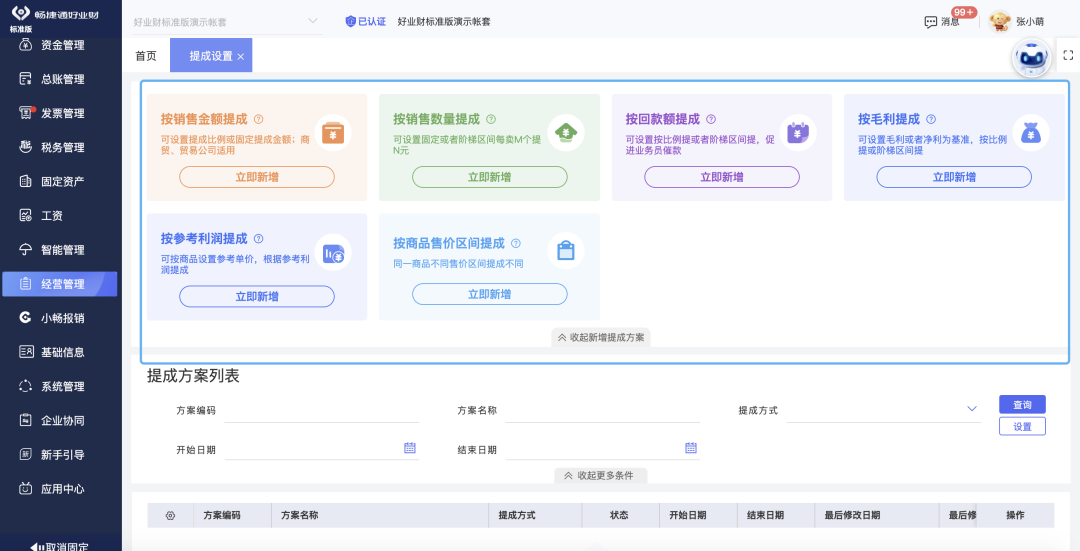
Selecting the commission plan.
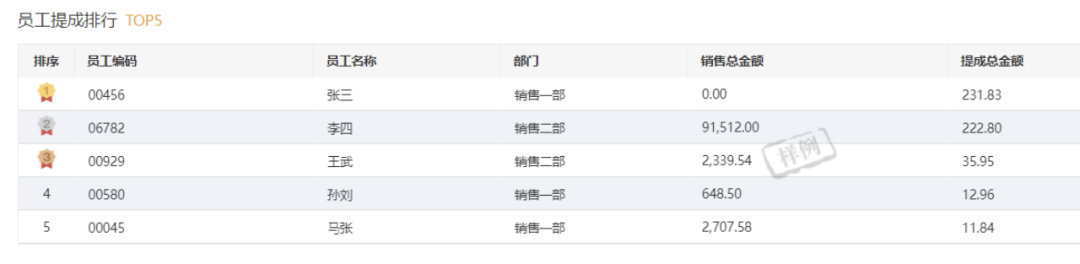
The system calculates commission results automatically.
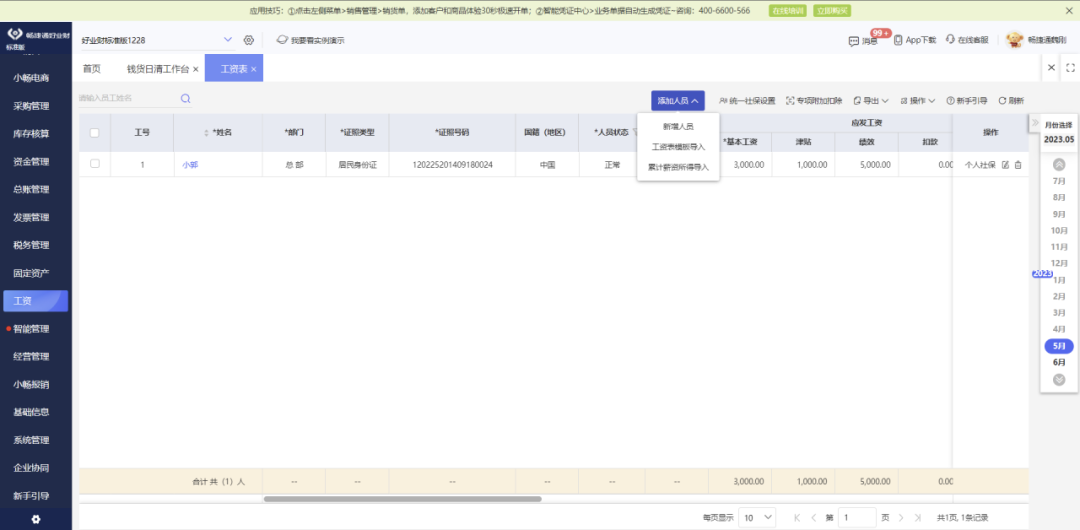
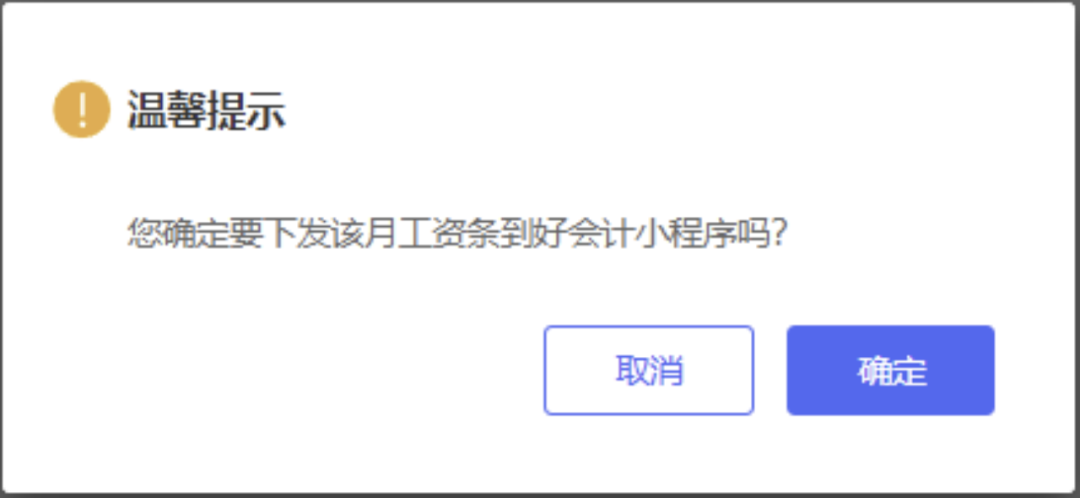
One-click payslip distribution.

Employees query their own commission by scanning anytime.
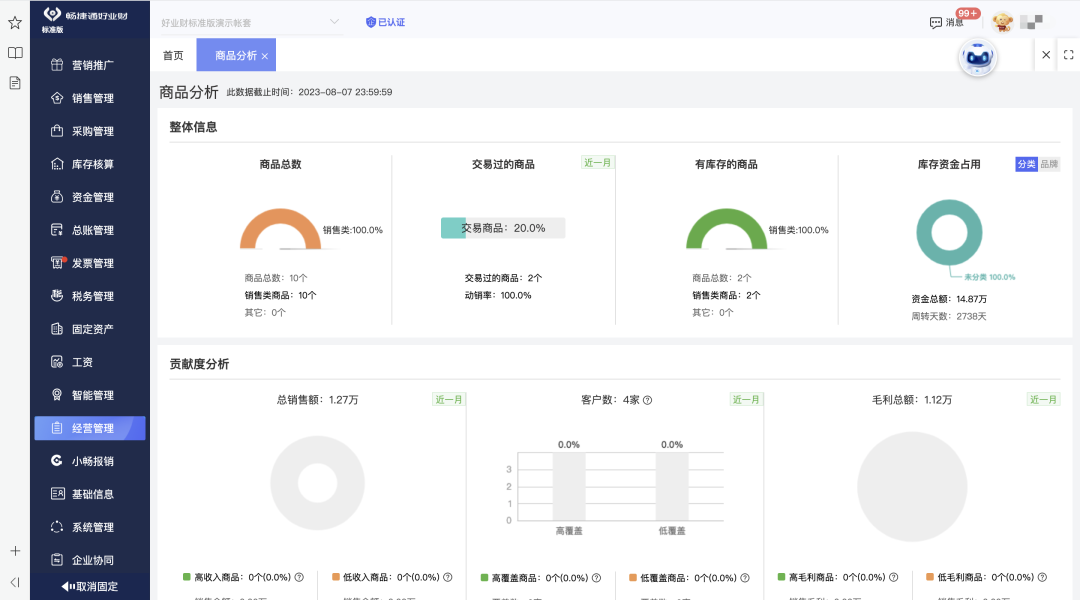
Product analytics and margin visibility
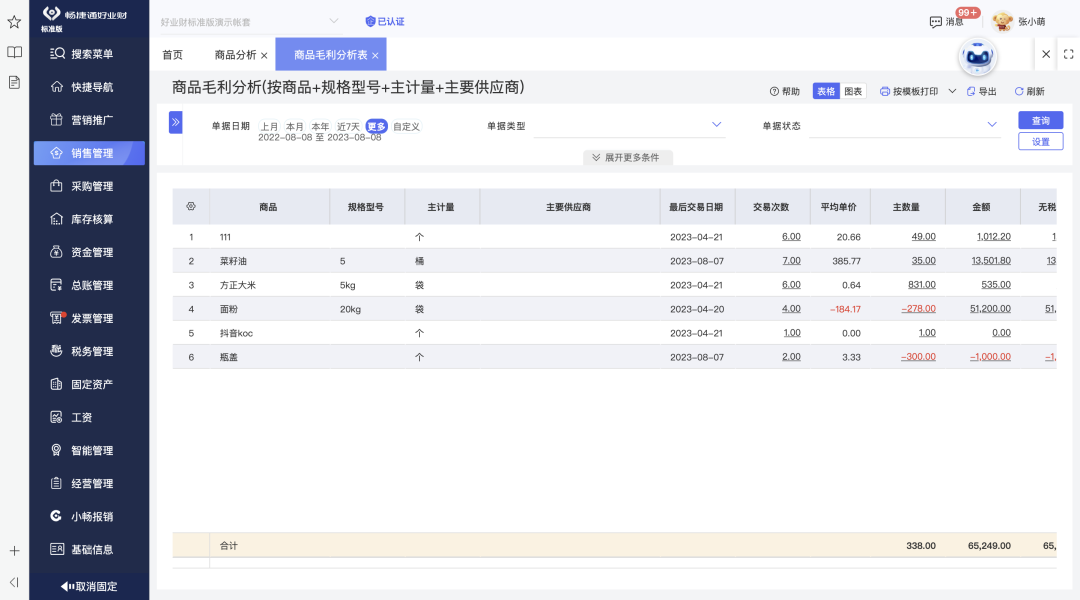
Product analysis covers contribution and liquidity, and gross-margin analysis shows what each item actually earns. With that view, the buying and sales teams can promote what pays and trim what does not.
Product analysis by contribution and liquidity, plus product gross-margin analysis.
Smart replenishment
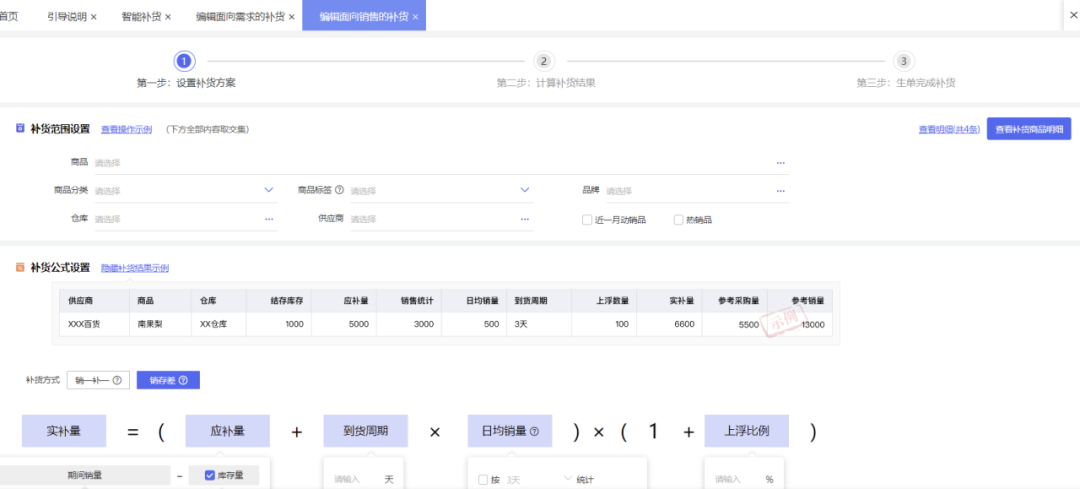
Smart replenishment is enabled so the business stocks by signal instead of by habit. High-frequency products get a replenishment plan based on sales to protect availability, while high-growth products are replenished by demand to avoid tying up inventory cash. The system calculates replenishment results and auto-generates purchase orders, raising efficiency across the board.
Enable smart replenishment.
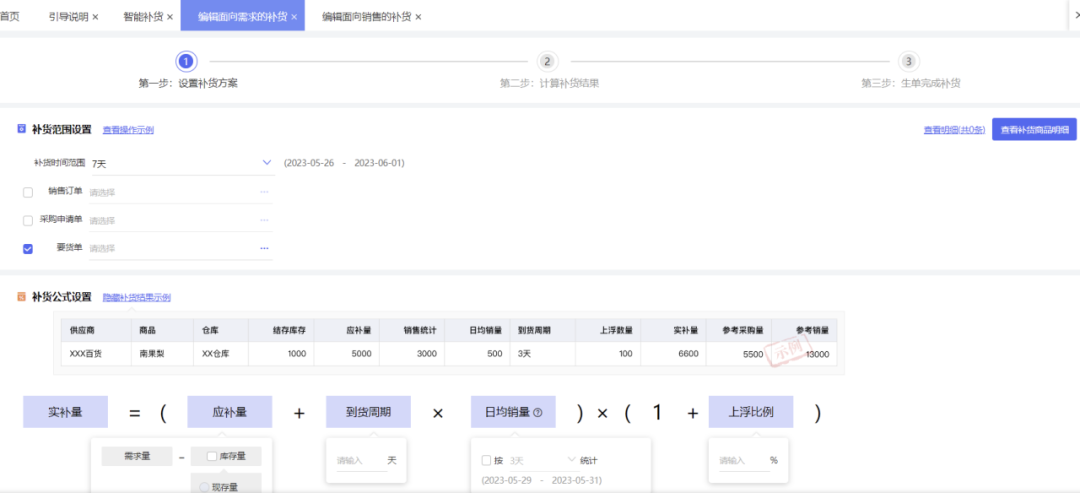
High-frequency products replenish by sales to protect sales.
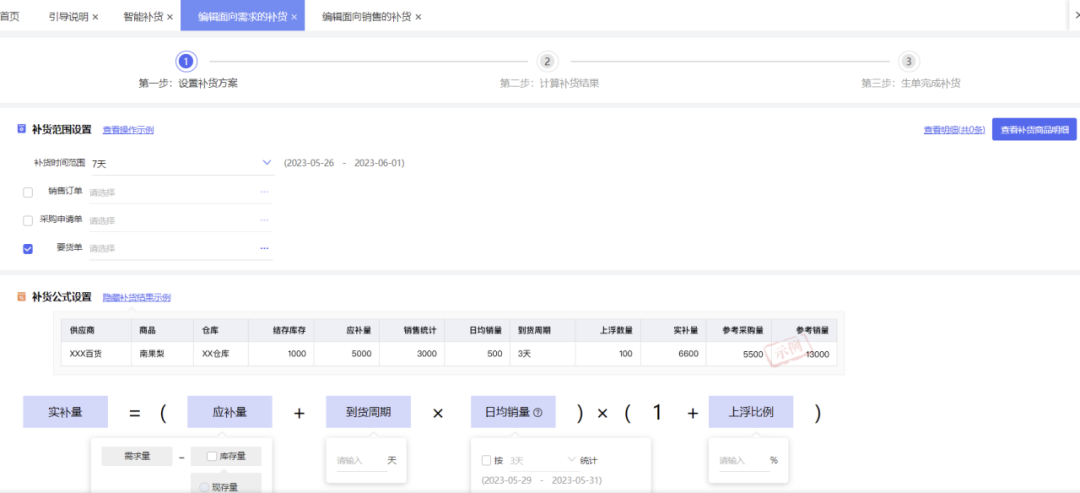
High-growth products replenish by demand to avoid inventory capital occupation.
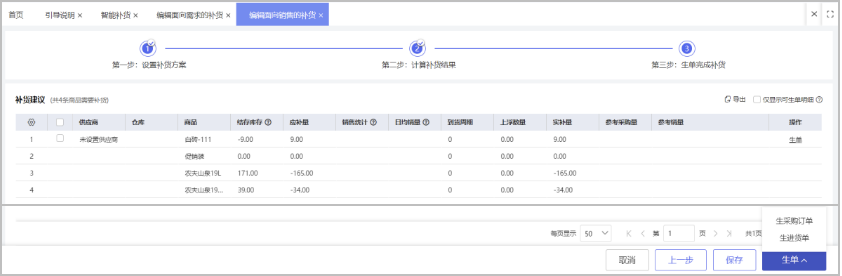
The system auto-calculates replenishment and auto-generates orders to improve efficiency.

Measurable Results
A motivated, self-service sales team
Transparent, automatically calculated commissions and on-demand payslip access turn incentives into a management tool rather than an administrative chore. Reps see their earnings in real time, which sustains motivation through the selling cycle. When reps can see exactly what each deal earns them, they naturally push the higher-margin items.
Stocking decisions backed by data
Contribution, liquidity, and margin views expose which products deserve attention, while smart replenishment protects fast movers and frees cash from slow ones. The business replaces reactive ordering with a planned, signal-driven approach. Buyers stop guessing and start defending margin, which is the heart of profitable distribution.
Less administrative drag
Because commissions, vouchers, and replenishment orders are generated by the system rather than typed by hand, the back office spends its time on exceptions instead of data entry. The same headcount now supports a larger, faster-moving business without adding night shifts or temporary help.
Conclusion
A snack-food leader does not win on product alone; it wins on how well it sells, motivates, and stocks. By automating commissions, surfacing product profitability, and switching to smart replenishment, this wholesaler converted three manual weak spots into a connected, insightful workflow. The takeaway for distributors is that the right ERP pays for itself in motivation and working-capital discipline as much as in raw efficiency.
Related reading
Solving Apparel Wholesale Pain Points with Online Selection and Smart Warehousing
An apparel wholesaler cut order-entry time, reduced churn, and tamed multi-warehouse picking with a cloud ERP. Online selection and attribute cataloging streamlined the flow.
Read guide →Customer Case StudyAustralia Frozen Meat Processor: Accurate Costing for Whole-Chicken Cutting
How a Melbourne frozen-meat processor used ERP barcode, BOM disassembly and batch control to cut receiving time and cost every chicken part precisely.
Read guide →Customer Case StudyHow a Beijing IC Company Achieved Finance–Operations Integration for Precision Management
A Beijing integrated-circuit maker unified purchasing, outsourcing, kit sales, and accounting in one ERP, automating cost allocation and cutting month-end close effort.
Read guide →