How a Software System Integrator Manages Cash Flow Across 40+ Projects
A software integrator running 40-plus projects replaced Excel chaos with project-based ERP, automating collections, payments, and invoicing for live cash-flow visibility.
Why Software System Integrators Struggle With Project Cash Flow
System integration firms live and die by managing long, multi-stage engagements. Projects stretch over a year, payments arrive in irregular tranches, and cash passes through several hands before a job closes. Without one source of truth, finance loses track of who owes what and when. This case shows how one integrator rebuilt its project-finance backbone across 40-plus concurrent jobs.
Company Snapshot
The firm is a software system integrator serving the hazardous-chemicals sector, building environmental monitoring, access-control, and related subsystems. It also sells the hardware those systems run on. Most coding is outsourced to vendors, while the company owns project management, coordination, and final delivery.
As the pipeline grew, the firm managed 40-plus active projects at once, each with its own timeline, contract terms, and cash rhythm. The toolset that suited a handful of jobs was no longer enough.
Three Pressing Pain Points
1. A Surge in Projects Created Operational Chaos
With 40-plus engagements running at once, the old mix of memory and scattered Excel files broke down. Project data lived in different spreadsheet versions, so teams worked from stale numbers. That confusion caused delivery misunderstandings, client complaints, and costly rework.
2. Complex Collection and Payment Milestones Were Easy to Miss
Money moved on a staged schedule: a deposit up front, a progress payment at completion, and a final balance that could lag acceptance by months. The firm also paid subcontractors in stages and covered business-development costs. With no automated reminders, collection dates slipped and managers lost sight of each project's cash position and risk.
3. Project Profitability Stayed Opaque
Leadership could not see, in real time, the revenue, cost, amounts received and paid, or receivables and payables tied to any single project. At month-end, the finance team pulled all-nighters stitching together collection, invoicing, and cost figures across dozens of jobs, yet still could not surface the key indicators management needed. Decisions ended up resting on gut feel rather than evidence.
How a Project-Based ERP Resolved It
To attack these problems, the company deployed HaoYeCai (a project-finance ERP suite by Chanjet) and used its project management and cash-control capabilities to build a single, integrated system spanning operations and finance.
Unified Project Initiation and Master Data
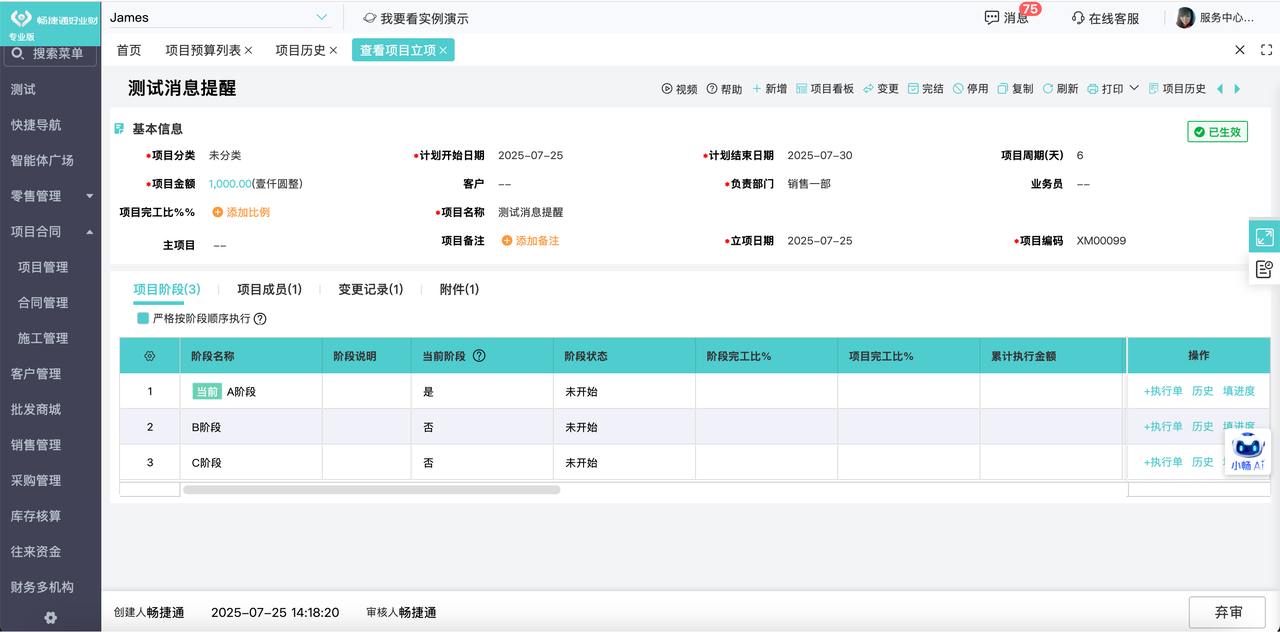
Every engagement now gets a structured profile through the Project Management module, capturing the project name, start and end dates, team members, and other core attributes so that master data is gathered in one place. Custom fields let the firm categorize projects by type and progress status, giving managers an at-a-glance view and eliminating the scattered-file and version-drift problems that caused earlier confusion.
Automated Receipt and Payment Reminders
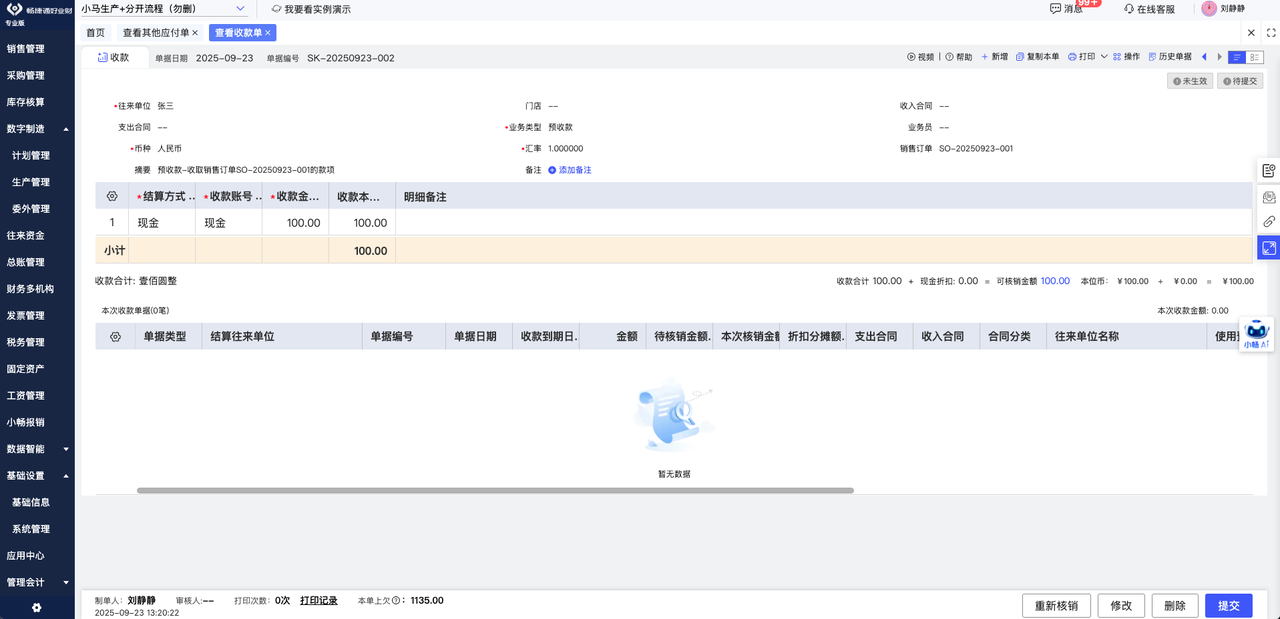
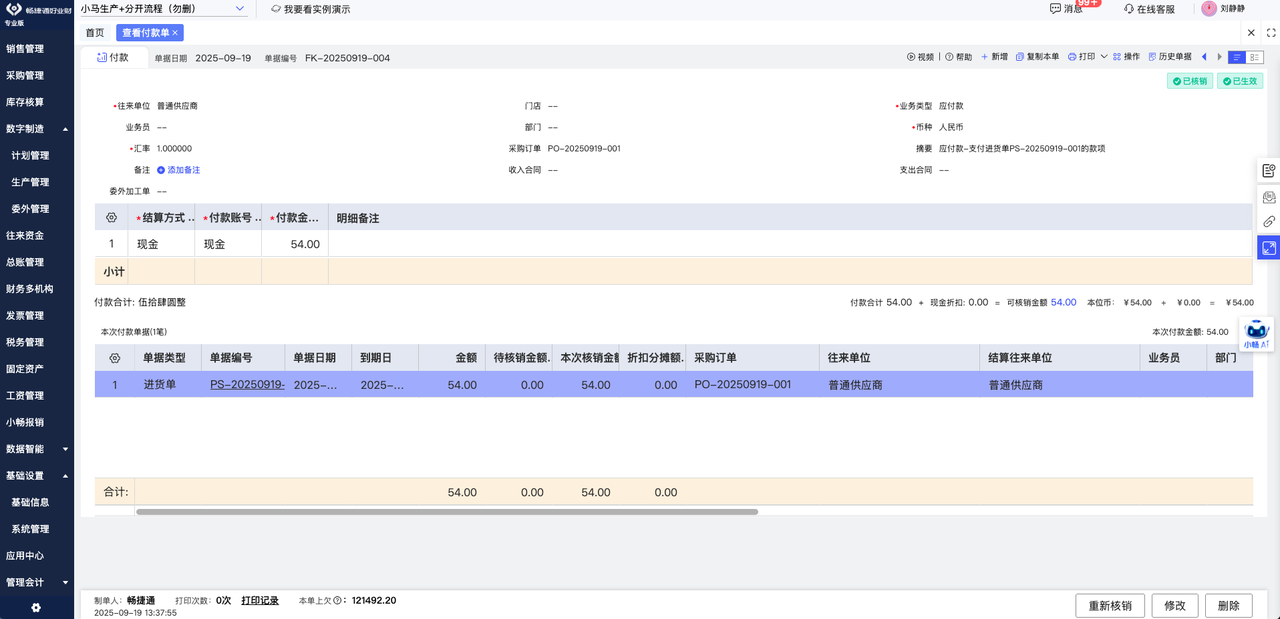
The Receipt module logs each project's collection plan and actual receipts, then fires automatic reminders when money is due, so final balances get collected on time instead of forgotten. The Payment module records staged subcontractor payments and project expenses in a traceable flow, including deposit handling. A separate expense module consolidates business-development and travel costs, automatically linking each charge to its project and generating the matching payment record.
Invoicing That Never Slips Through the Cracks
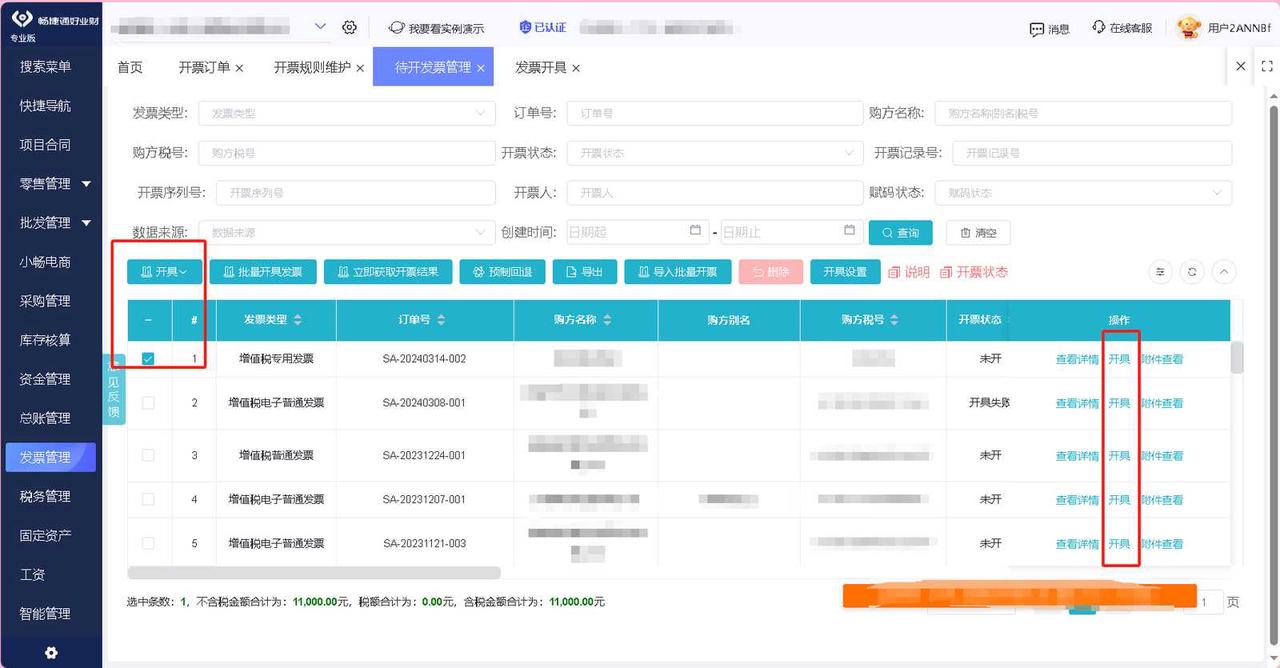
The pending-invoice feature automatically ties collection records to a live list of invoices waiting to be issued, removing the risk of forgetting a billing step. A status board visualizes invoicing progress, and once an invoice is issued the system writes back to the ERP so the accounts-receivable ledger stays in sync without manual re-entry.
A Contract Dashboard for Full Visibility
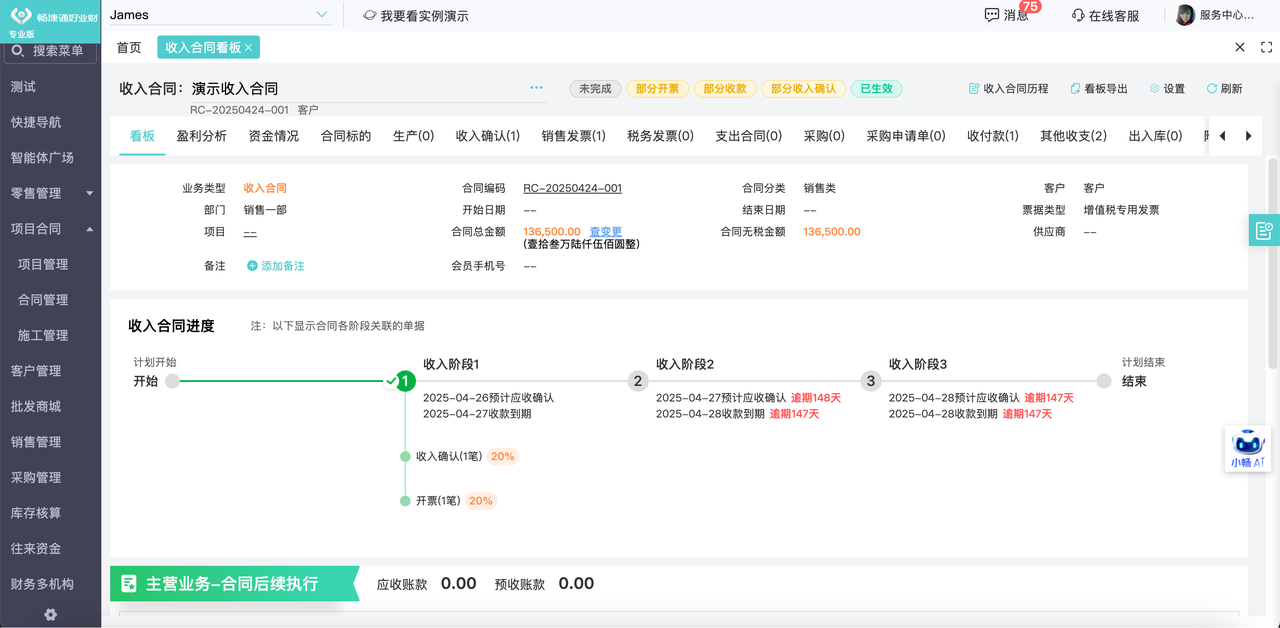
The revenue-contract dashboard consolidates the full execution picture for every project: contract basics, collection progress, and revenue-recognition status in one view. Managers can instantly read each project's revenue, expense, amounts received and paid, and outstanding receivables and payables, monitoring profitability as it happens rather than after a month-end scramble.
Results and Business Value
Standardized Projects Run More Efficiently
All 40-plus projects now carry standardized profiles with information gathered in one place, which smoothed handoffs between teams. The classification board lets managers read each project's status at a glance, cutting the miscommunication that scattered files used to cause and lifting both execution speed and client satisfaction.
Automatic Reminders Keep Cash Safer
Scheduled reminders stopped collection dates from being missed, so final balances came in on time. Standardized payment and expense controls made every cash movement traceable, lowered financial risk, and kept the company's cash flow healthy even with dozens of jobs in flight.
Transparent Profitability Leads to Sharper Decisions
The project dashboard exposes each engagement's cash flow and profit without waiting for a finance roll-up. With hard numbers in front of them, leaders could spot high-risk projects early, reallocate resources, and raise overall profitability instead of guessing.
Conclusion
By implementing HaoYeCai, the integrator did more than fix project chaos and cash-control gaps. It built a transparent, efficient, and controllable project-finance platform that gives the business a solid foundation to keep growing in a competitive system-integration market.
Related reading
Solving Apparel Wholesale Pain Points with Online Selection and Smart Warehousing
An apparel wholesaler cut order-entry time, reduced churn, and tamed multi-warehouse picking with a cloud ERP. Online selection and attribute cataloging streamlined the flow.
Read guide →Customer Case StudyAustralia Frozen Meat Processor: Accurate Costing for Whole-Chicken Cutting
How a Melbourne frozen-meat processor used ERP barcode, BOM disassembly and batch control to cut receiving time and cost every chicken part precisely.
Read guide →Customer Case StudyHow a Beijing IC Company Achieved Finance–Operations Integration for Precision Management
A Beijing integrated-circuit maker unified purchasing, outsourcing, kit sales, and accounting in one ERP, automating cost allocation and cutting month-end close effort.
Read guide →