Steel Trader Tames Weight Variance and Multi Spec Stock in ERP
A steel trader juggling supplier scale weight against actual weight struggled with cost chaos. Split weighing, attribute batches, and auto reconciliation restored clarity.
Company Profile / Background
This case study covers a steel-trading and processing firm dealing in square tubes, galvanized square tubes, and rectangular tubes. It buys black square tubes from upstream suppliers, sends some to galvanizing plants for outsourced processing, weighs goods on arrival, settles payables with suppliers by settled weight, and manages stock by actual scale weight. Settling with suppliers on one weight yet stocking on another meant the business lived or died by keeping the two apart.
Steel is sold by weight yet billed on two different weight bases, and every batch carries varying specs. That combination demands disciplined data separation the old manual method could not deliver.
Core Challenges
Weight Variance Broke Cost Accuracy
The supplier's settled weight and the actual scale weight differed, so both had to be recorded and costed separately. Manual handling forced finance to keep two weight sets at once, one for payable settlement and one for inventory cost, inviting confusion and error.
Multi-Spec Attributes Caused Stock Chaos
Steel specs varied, with unstable pieces, per-piece count, and length per batch needing flexible capture. Old methods could not trace these attributes, so stock turned chaotic and outbound failed to match customer specs, hurting sales and satisfaction.
Outsourced Processing Obscured Profit
In outsourcing, black-tube weight, processing-fee weight, and galvanized-tube weight differed, making cost complex. Manual allocation could not spread processing fees to specific products or reveal each batch's true cost and profit, weakening pricing and profit analysis.
How the System Solved It
The build covered seven areas: split weighing, attribute batches, sales analytics, invoice control, cash risk, and permissions. Each is described below.
Split Weighing Separated Settlement and Cost
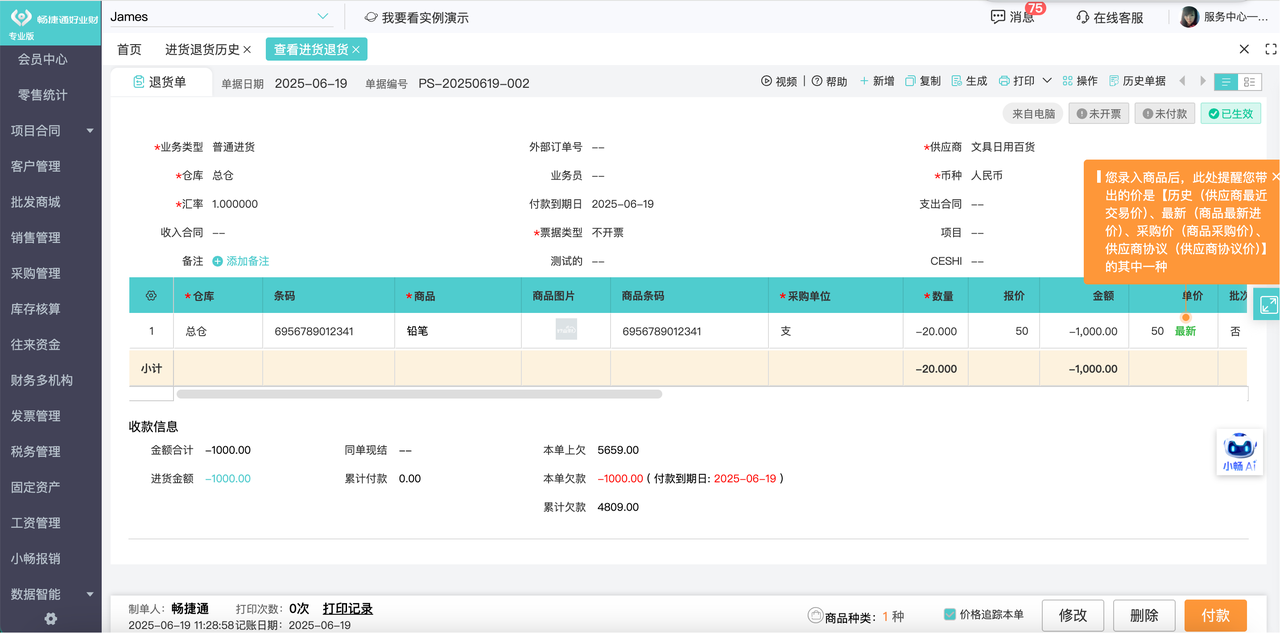
A split flow used a purchase receipt for the supplier's settled weight and price in payable accounting, and a warehouse inbound for the actual scale weight in cost accounting, precisely managing variance. The system auto-generated the right vouchers from each weight, avoiding manual error and keeping settlement and cost accurately apart. The two weight sets stopped colliding inside a single muddled ledger.
Attribute Batches Gave Fine Inventory
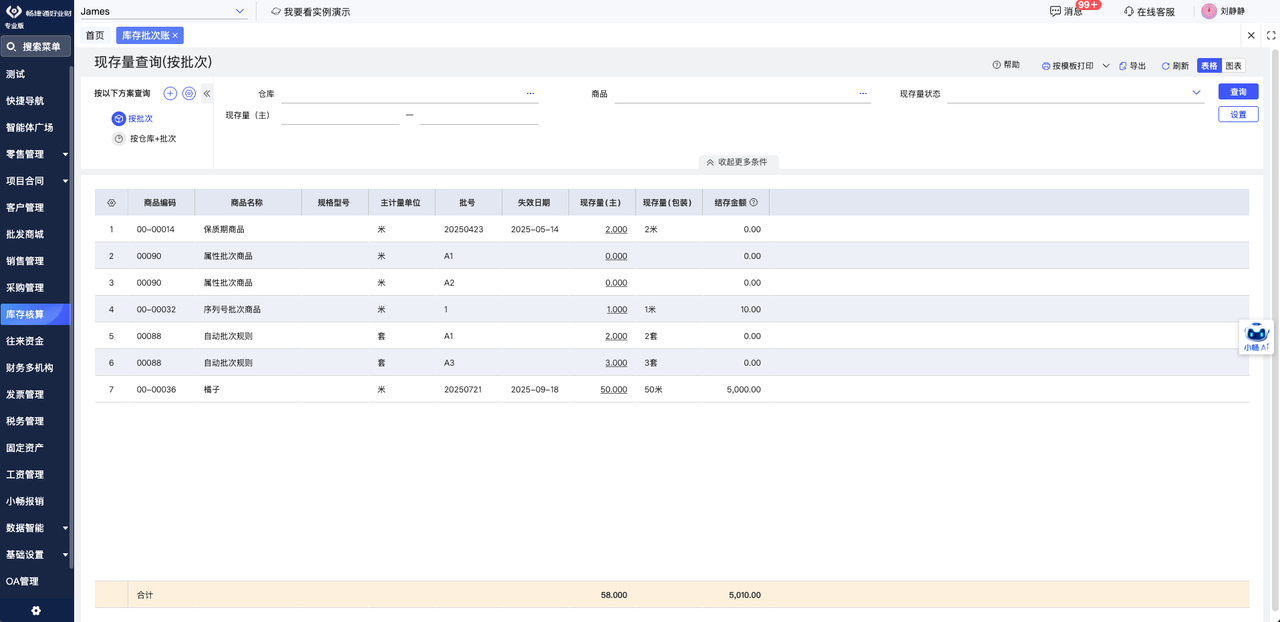
Item attribute management set combined attributes like supplier, length, and per-piece count, with batch control and multi-units such as ton and piece using floating conversion rates. A batch ledger traced any batch's inbound time, supplier, and current stock for full traceability. Custom fields computed total pieces and piece weight by formula, lifting accuracy. Any batch could be traced back to its supplier and length in seconds.
Multi-Dimension Sales Informed Decisions
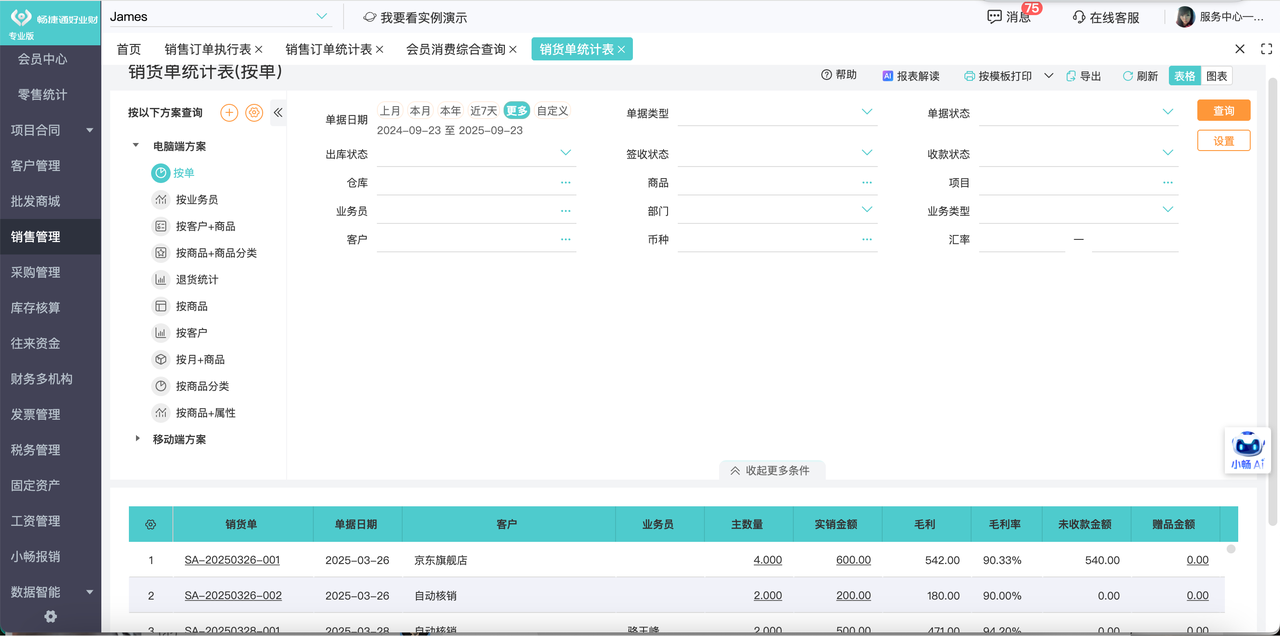
Sales statistics by item, customer, and salesperson auto-computed amount, quantity, gross profit, and margin. Freight and rebate entered on the sales document auto-generated an expense form allocated to that sale, keeping profit accurate. Margin by customer exposed which accounts actually paid their way.
Invoice Control Contained Tax Risk
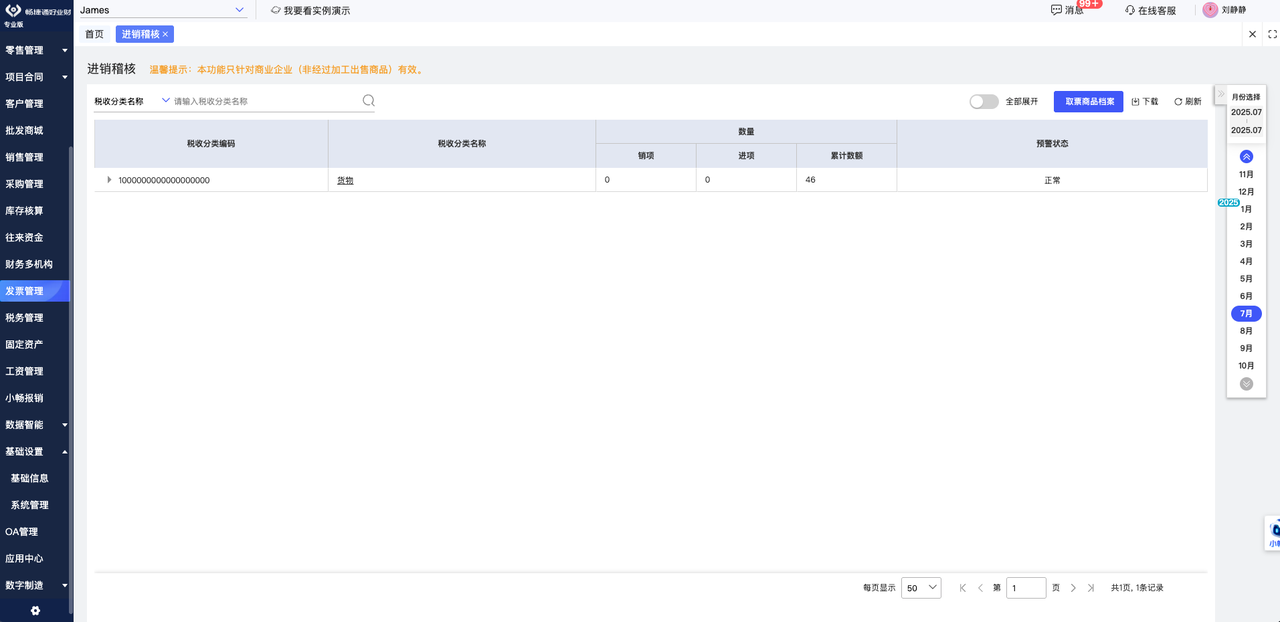
Purchase-sales reconciliation showed input stock, output quantity, and balance per spec to guard against fake or inflated invoices. Manual editing of invoice name, spec, and quantity fixed input-output mismatches for tax compliance. Tax inspectors found clean input-output matching.
Cash Risk Control Tracked Collection
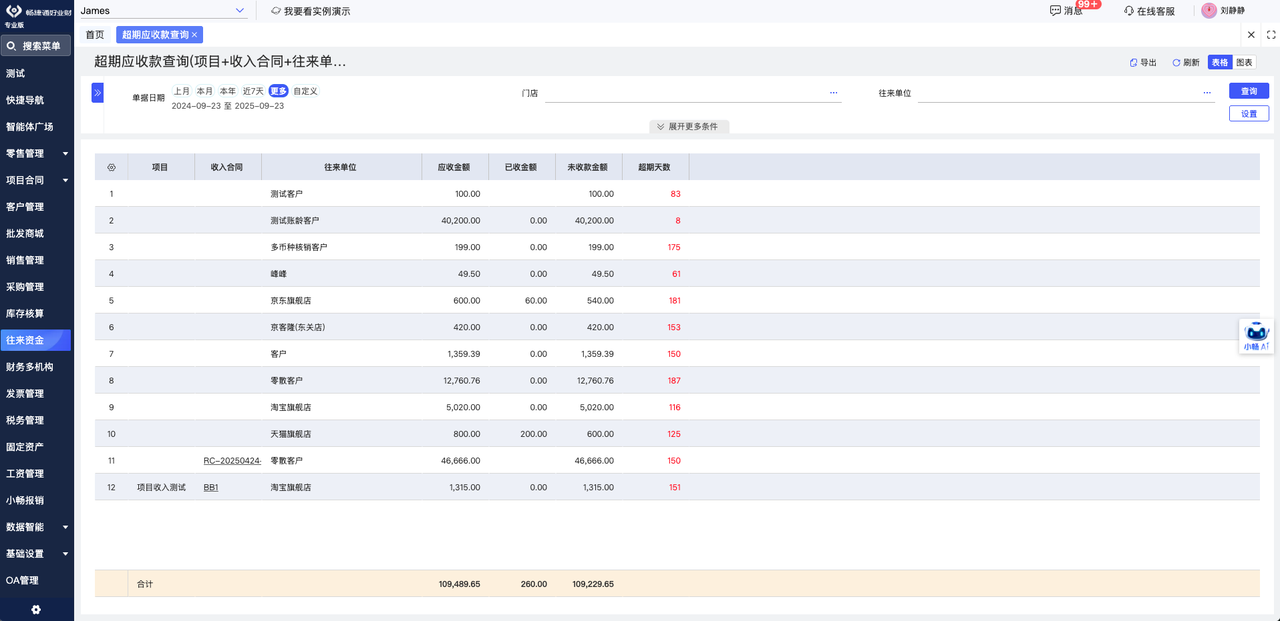
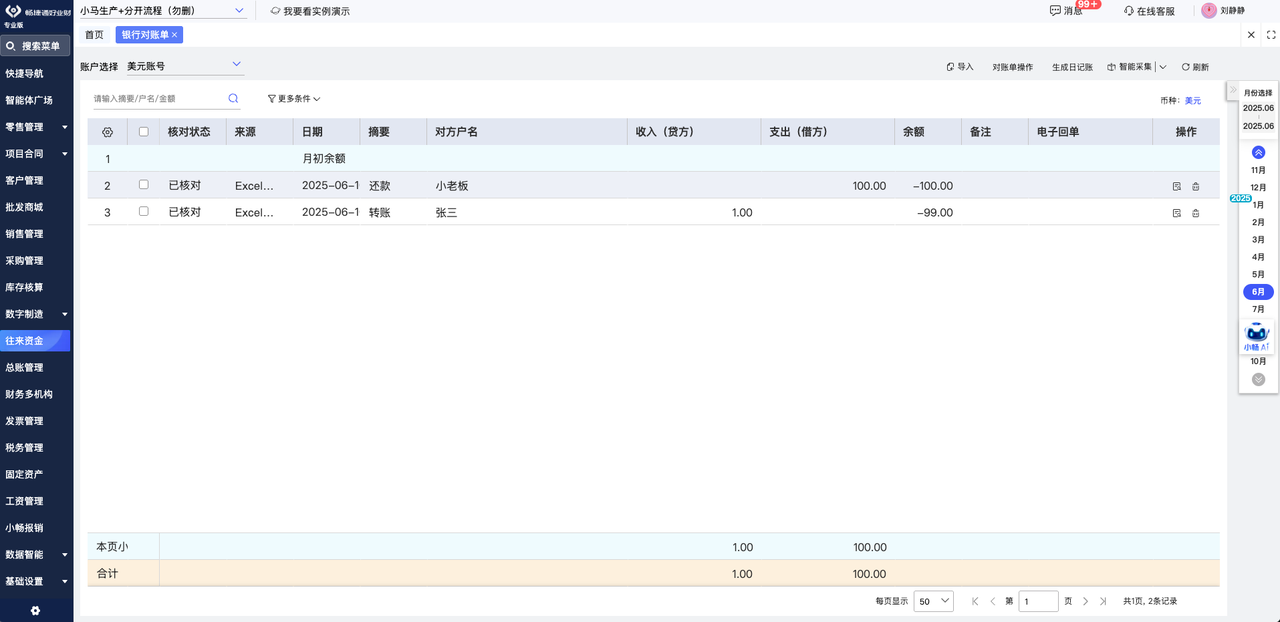
Overdue receivable queries auto-flagged unpaid items past term to start collection and cut bad debt. Bank reconciliation pulled statements via bank-cloud linkage and matched them to the ledger automatically, sharply raising efficiency. Overdue items surfaced before they became write-offs.
Permission and Approval Kept Operations Clean
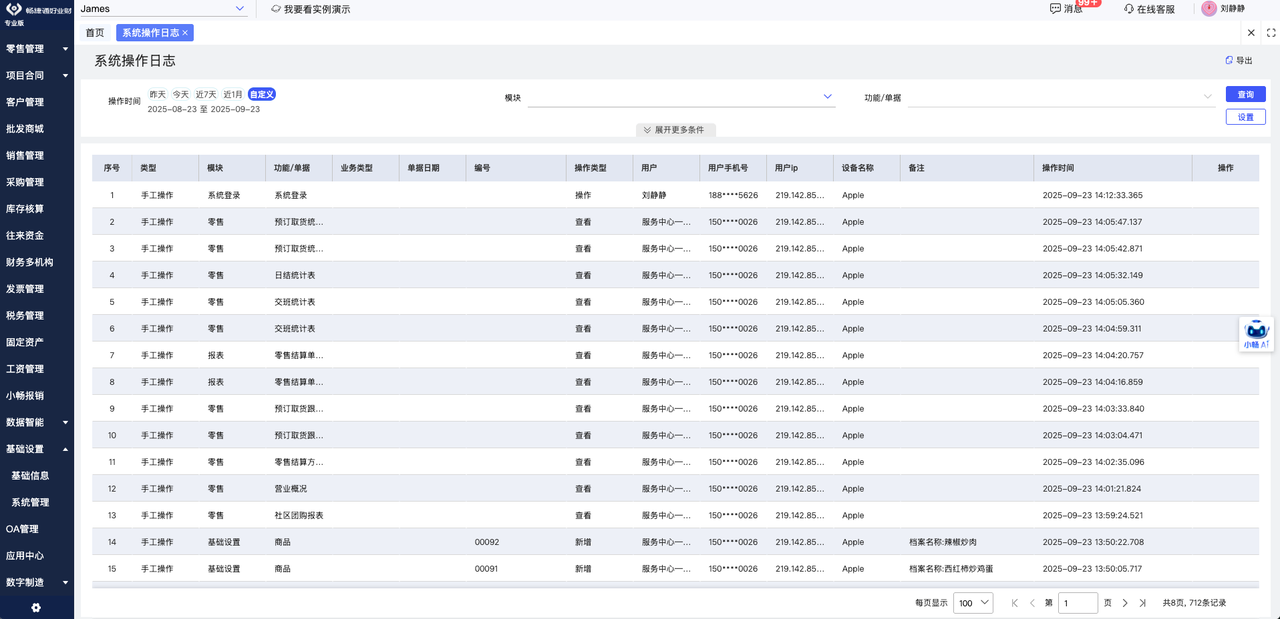
Operation logs recorded every user's full trail to locate anomalies and meet compliance, reducing department disputes. Role-based permissions controlled view, edit, and delete rights, and a day-close lock prevented arbitrary changes to history. History could no longer be quietly rewritten.
Measurable Results
The improvements reinforced each other across buying, stock, and cash. The outcomes below show the result.
Standard Variance Management Sharpened Cost
Split flows accounted for settlement and cost separately, reflecting true purchase cost and stock value. The firm knows each batch's real cost, backing pricing and profit analysis and strengthening cost control. True cost per batch replaced a blended guess.
Transparent Multi-Spec Stock Lifted Efficiency
Attribute and batch management gave fine, traceable control of varied specs. Transparent stock made outbound matching precise, raising satisfaction and turnover. Outbound matched the spec the customer actually ordered.
Controlled Cash Risk Improved Health
Overdue alerts and auto bank reconciliation let the firm track collection and manage receivables actively. Systematic cash management made forecasts accurate and supported decisions. Cash forecasting became something management could trust.
Conclusion
By adopting this ERP suite, the steel trader solved the industry's special pains and built a standardized, efficient, transparent operating platform. It now lifts management and sustains steady growth in a tough market.
Related reading
Solving Apparel Wholesale Pain Points with Online Selection and Smart Warehousing
An apparel wholesaler cut order-entry time, reduced churn, and tamed multi-warehouse picking with a cloud ERP. Online selection and attribute cataloging streamlined the flow.
Read guide →Customer Case StudyAustralia Frozen Meat Processor: Accurate Costing for Whole-Chicken Cutting
How a Melbourne frozen-meat processor used ERP barcode, BOM disassembly and batch control to cut receiving time and cost every chicken part precisely.
Read guide →Customer Case StudyHow a Beijing IC Company Achieved Finance–Operations Integration for Precision Management
A Beijing integrated-circuit maker unified purchasing, outsourcing, kit sales, and accounting in one ERP, automating cost allocation and cutting month-end close effort.
Read guide →