Chemical Trading: Tightening Loss Control and Accurate Cost Accounting with ERP
How a Wuhan chemical distributor cut leakage and sharpened batch costing using virtual transit warehouses, credit limits, and per-load freight allocation in an ERP.
Why Chemical Traders Struggle with Loss and Cost Visibility
Distributors of bulk chemicals live in a tough environment: prices swing constantly, materials shed volume at every transfer, and large sums of cash sit tied up in inventory and prepayments. Products such as toluene, xylene and methanol move through advance-paid purchases, tanker deliveries, staged pickups and direct shipments, leaving thin margins exposed to the smallest measurement gap or control lapse. Surviving on these margins means digitizing the operation and imposing real discipline on both risk and cost.
Company Snapshot
The company in this case is a Wuhan-based chemical trader focused on the wholesale distribution of solvents and raw materials including toluene, xylene and methanol. It runs a prepayment model: funds are sent to suppliers up front, goods are later collected in batches by tanker truck, warehoused, and either sold from stock or shipped straight to the buyer. The workflow spans prepaid buying, split pickups, inventory holding and direct delivery, with each hand-off adding loss and costing complexity that a spreadsheet-based process could no longer absorb.
Three Pressing Challenges
Sales risk went unmonitored, squeezing cash recovery
The sales team had no live view of a customer's outstanding balance or credit standing. Chasing targets, reps routinely extended credit beyond safe limits, pushing receivables steadily higher. Even worse, with no floor-price rule in place, a deal could be discounted below cost just to win it. The business endured chronic cash-flow pressure and quiet margin erosion that management only noticed at month-end close.
Prepayments behaved like a black box
Sizeable amounts were wired to suppliers before any goods moved, yet finance had no system to track the remaining prepaid balance with each vendor. Duplicate prepayments and short prepayments happened often. As every batch was collected, linking the pickup value back to the original prepayment was done by hand, a process that was error-prone and opaque. Working capital therefore sat idle or ran short with no early warning.
Losses and freight distorted the true cost
Chemical products lose volume at every stage, from loading and transport to unloading and final delivery, and must ultimately be settled on actual weighbridge figures. Without a systematic loss ledger, the firm could not record or allocate these shrinkages properly. Freight had to be spread across batches into purchase cost, but manual calculation slipped. Direct shipments sent from supplier to customer made the cost picture murkier still, leaving managers blind to genuine profitability.
How the ERP Resolved It
Dual controls locked down sales risk
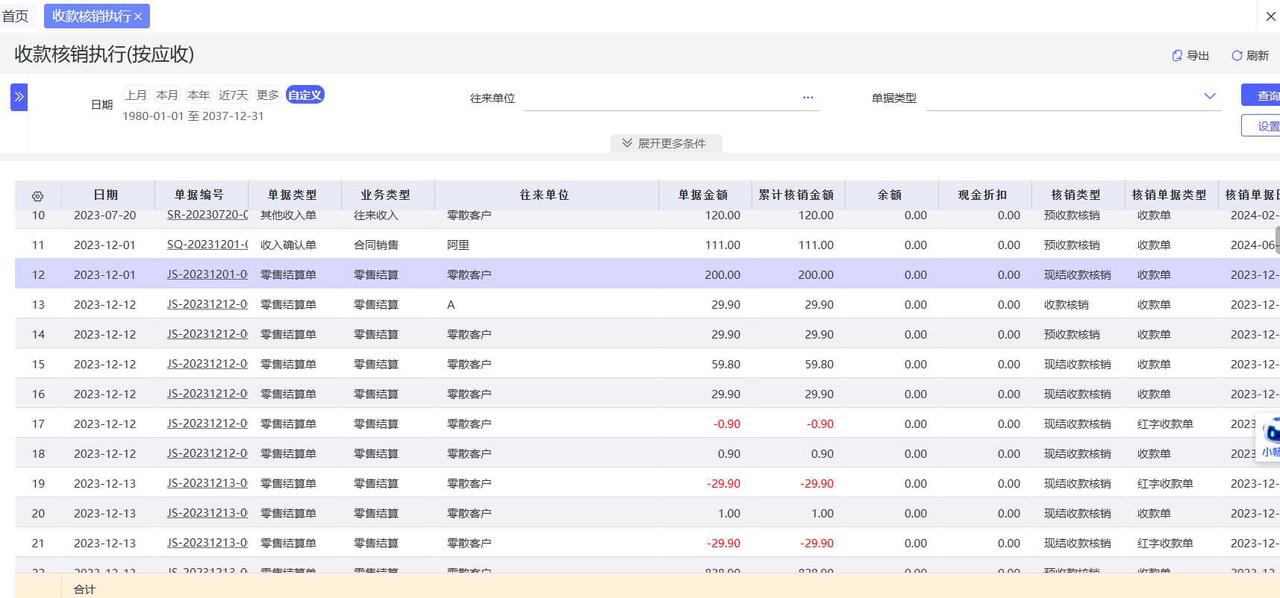
The system stores a credit ceiling for every customer and checks the live balance the instant a sales order is created; anything over the limit is blocked or flagged automatically. A minimum selling price is attached to each item, so any quote beneath cost is stopped at the counter. Once goods leave the warehouse, a receivable document is generated automatically and later matched against collections, giving finance precise, real-time command of what is owed and what has been recovered.
A virtual transit warehouse made procurement transparent
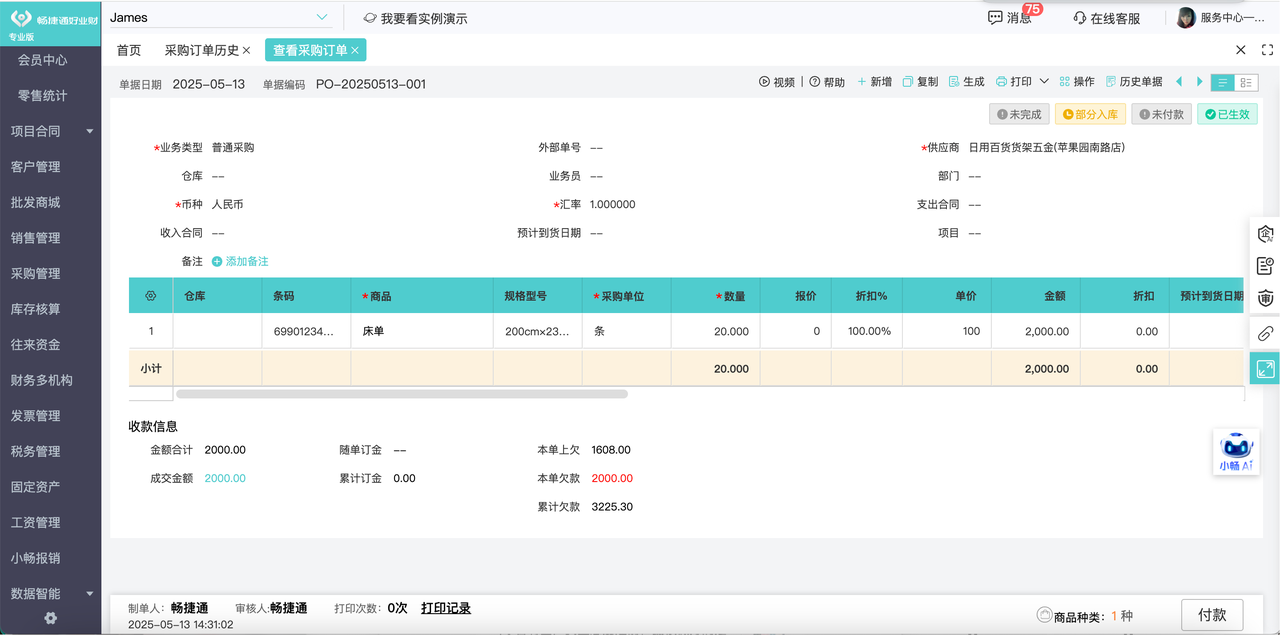
A three-tier warehouse structure was introduced: a physical warehouse in Wuhan, a physical warehouse in Nanchang, and a virtual transit hub in between. Every purchased load first lands in the virtual hub, then is allocated to a physical site or sold directly. Purchase orders now drive both the prepayment and the pickup schedule, and each collection is recorded by a stock-in document into the virtual hub, making the entire buying journey visible. On stock-in, the system ties the receipt back to the order and prepayment, clearing balances without manual reconciliation.
Batch costing turned loss into a measurable line item
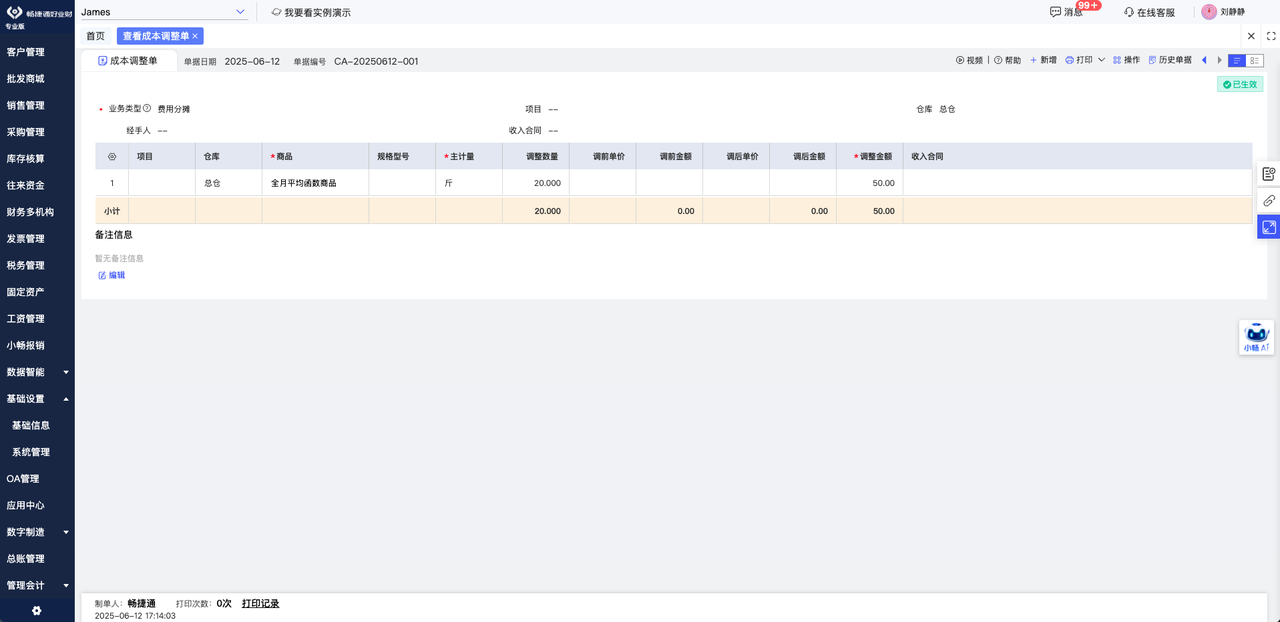
Batch management was switched on so each tanker receives its own batch number, and freight is allocated per batch straight into purchase cost, producing a standalone cost for every load. Losses are handled by adjusting quantities on the purchase and sales documents, while final receivables and payables settle on the actual weighed amount. A cost adjustment document captures any residual variance from loss or freight, keeping the cost base clean and auditable.
Measurable Outcomes
With credit limits and floor prices enforced, over-extension and below-cost sales disappeared, receivables turned faster, and cash returned to the business sooner. The virtual hub gave finance a live reading of every supplier's prepaid balance, ending duplicate payments and freeing trapped capital. Batch costing placed a true per-load profit figure in managers' hands, converting pricing and sourcing decisions from guesswork into evidence-based choices.
Takeaway
Rolling out the ERP did more than patch individual gaps; it built a standardized, transparent operating system for chemical distribution. For traders competing on razor-thin margins, that level of discipline in loss control and costing is precisely what protects profit and compounds an advantage over time.
Related reading
Solving Apparel Wholesale Pain Points with Online Selection and Smart Warehousing
An apparel wholesaler cut order-entry time, reduced churn, and tamed multi-warehouse picking with a cloud ERP. Online selection and attribute cataloging streamlined the flow.
Read guide →Customer Case StudyAustralia Frozen Meat Processor: Accurate Costing for Whole-Chicken Cutting
How a Melbourne frozen-meat processor used ERP barcode, BOM disassembly and batch control to cut receiving time and cost every chicken part precisely.
Read guide →Customer Case StudyHow a Beijing IC Company Achieved Finance–Operations Integration for Precision Management
A Beijing integrated-circuit maker unified purchasing, outsourcing, kit sales, and accounting in one ERP, automating cost allocation and cutting month-end close effort.
Read guide →