Building a Unified Digital Operations System for a Beverage Retailer
A beverage and wholesale trader struggled with slow checkout and disconnected finance. A unified retail ERP restored speed and efficiency across every channel.
Company Profile / Background
A regional trader operating across wine and beverage retail, wholesale distribution, and on-site food service was running hard just to keep the three channels aligned. Foot traffic at the store was softening, more customers wanted home delivery, and the wholesale side of the business had grown into a second, parallel operation. What had started as a single shop now behaved like three companies sharing one name, and none of the systems talked to each other. Growth had outpaced the tooling, and the cracks showed up as delayed replies, duplicate stock counts, and finance closing the books long after the month was over.
Core Challenges
Slow, Frustrating In-Store Checkout
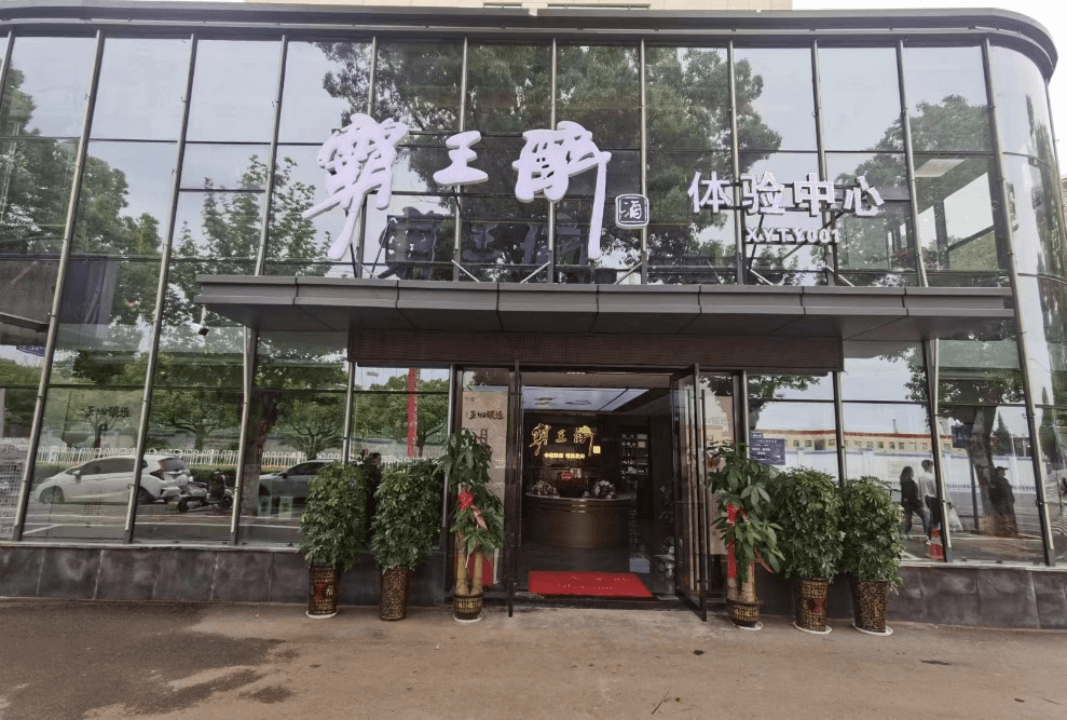
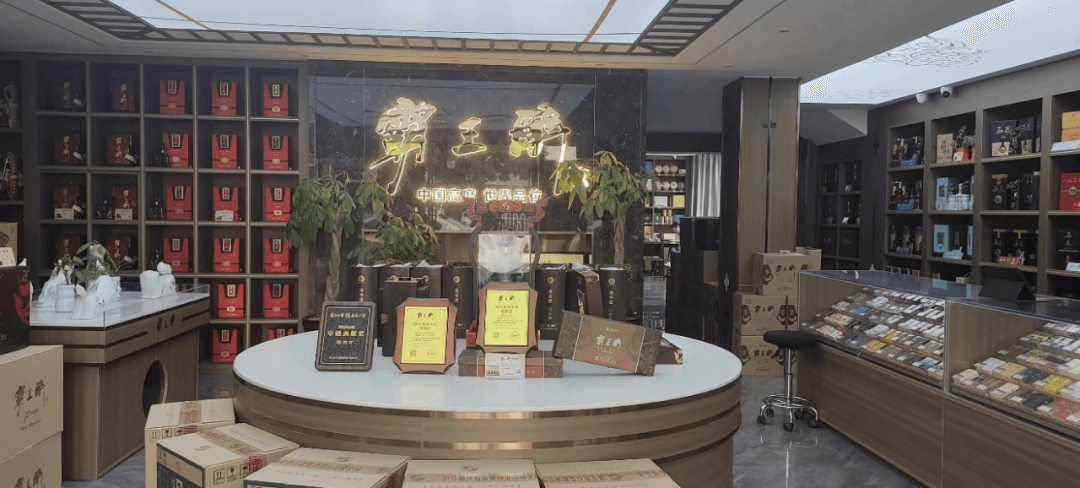
The store was large and the catalog wide, so shoppers browsed and asked staff to quote items on the spot. During festivals the queue at the register stretched long; in quiet periods the cashier stood idle. Either way, labor was misused and customer satisfaction suffered.
Fragmented Sales Channels and Weak Membership
As foot traffic fell, more customers shifted to online ordering with home delivery, yet the business had no real membership system. Loyalty was tracked by hand, retention was poor, and the company had no way to recognize or reward its best buyers.
Wholesale and Finance Running in Isolation
The original system handled retail only. Wholesale ran on a separate warehouse with manual purchase and sales entry, which was slow and error-prone. Worse, the retail system and the finance system were disconnected: staff reconciled them by hand, periods dragged, and revenue and cost figures frequently failed to tie out.
How the System Solved It
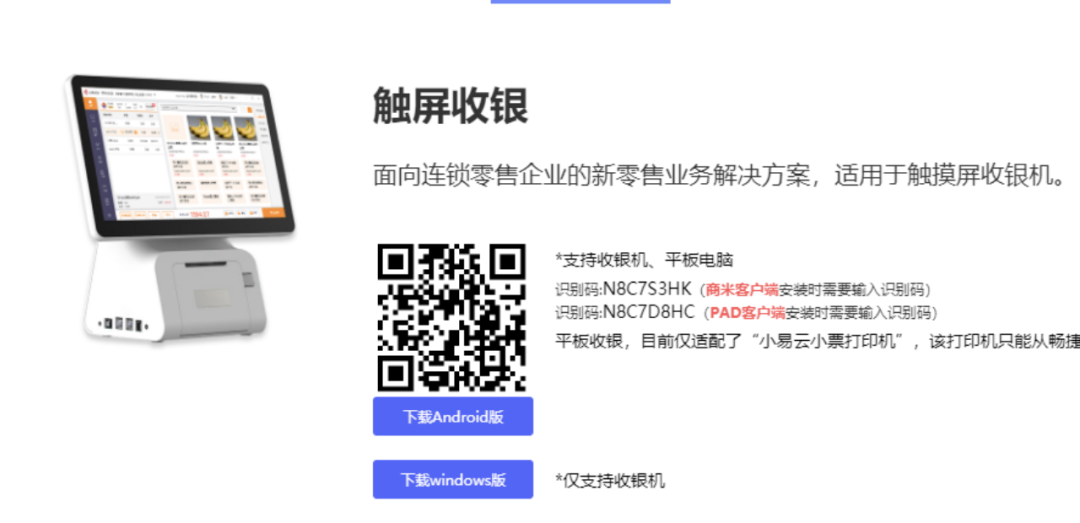
The deployment combined the platform's standard edition with the smart-store and online-mall modules, knitting the three sales channels into one operation.
Smarter In-Store and Membership Capture
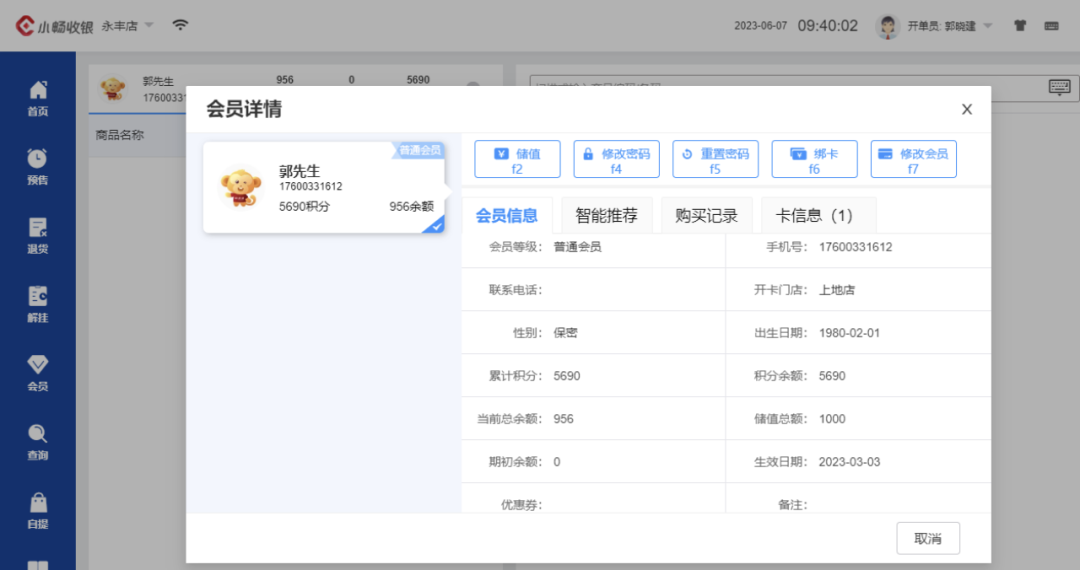
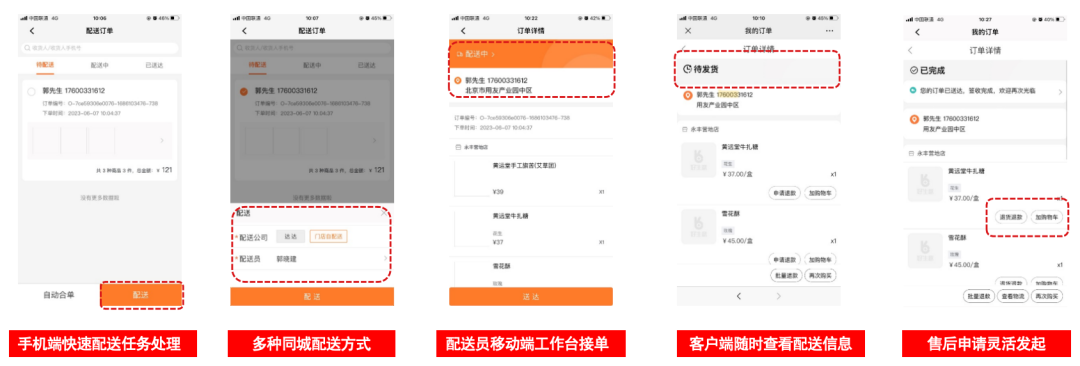
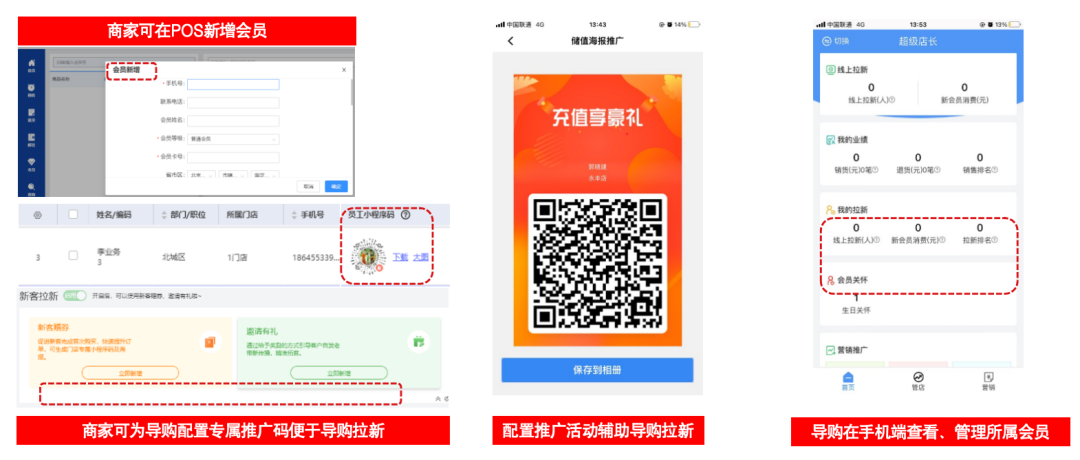
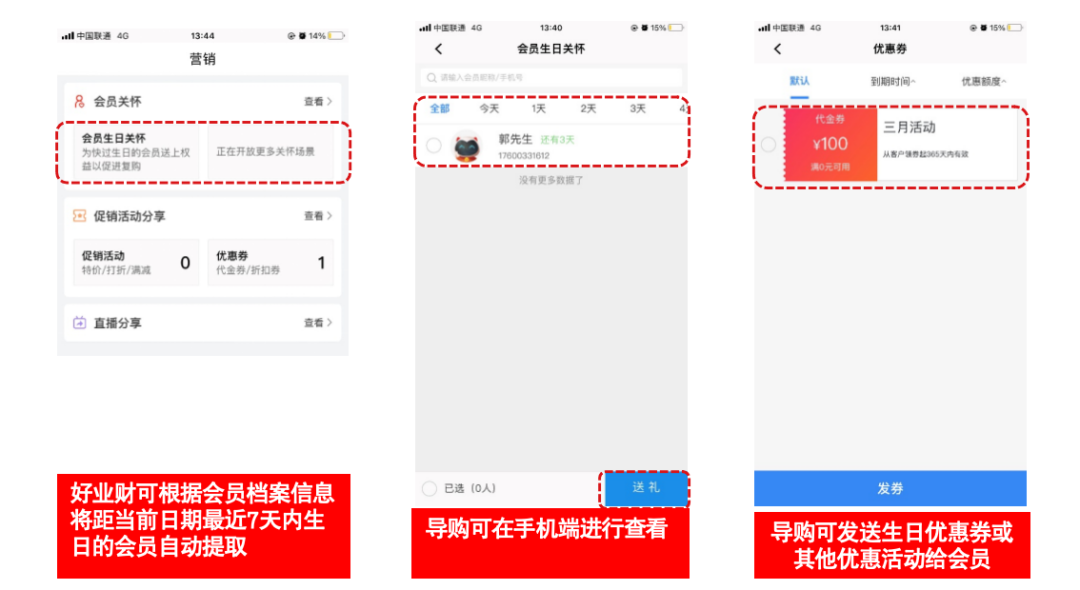
At the counter and on a handheld device, staff can open a member profile, view a customer's purchase history and preferences, and register new members on the spot or through the online mall. New-member coupons pull customers in, while tiered levels and benefits, points and stored value, keep them coming back. Each member is assigned a dedicated sales associate who can follow up with offers and birthday care from a phone.
From Manual Loyalty to Data-Driven Retention
Before the system, loyalty lived in a notebook and in the memory of a few long-serving clerks. Now every interaction, purchase, and preference is attached to a member record, so retention becomes a managed program rather than a hope. Targeted coupons and birthday care can be launched in bulk, and the business finally knows which customers actually return.
Connected Delivery and Unified Wholesale-Retail
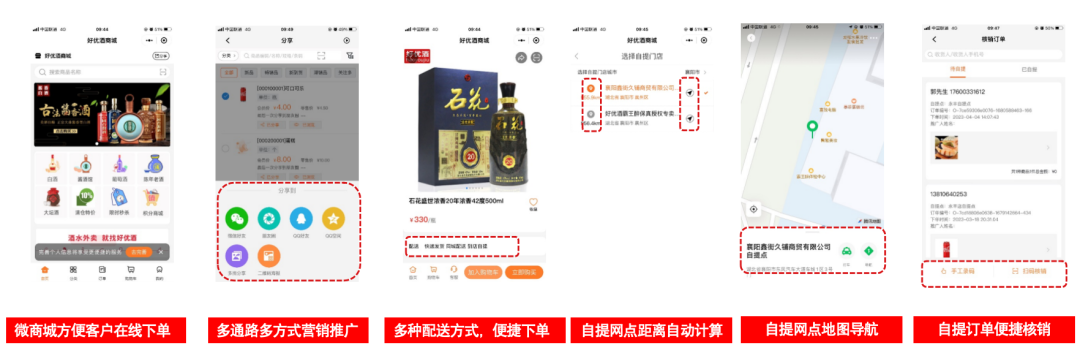
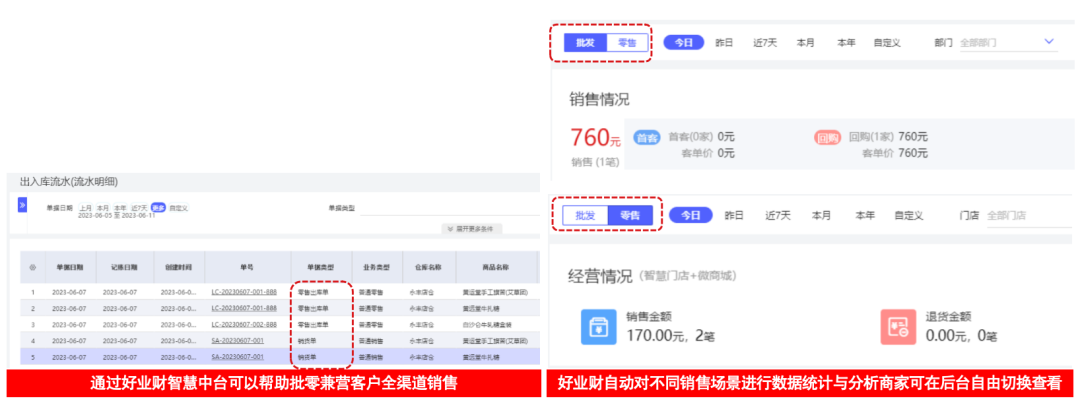
The system links to same-city delivery platforms so dispatch orders flow from the register or phone and a courier workspace handles fulfillment. Through the middle-platform management layer, wholesale and retail share one product catalog, one inventory, and one order pipeline, cutting the cost and complexity of running two businesses.
Reconciliation and Automated Vouchers
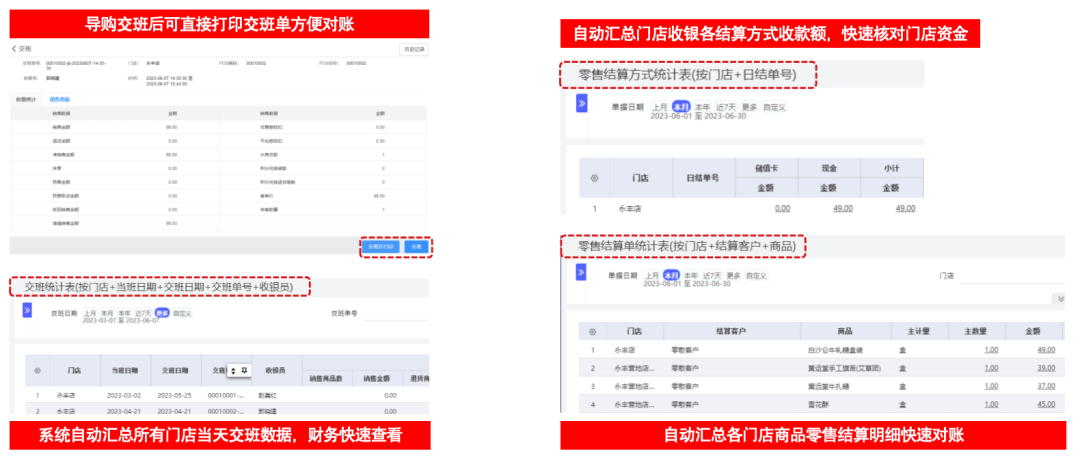
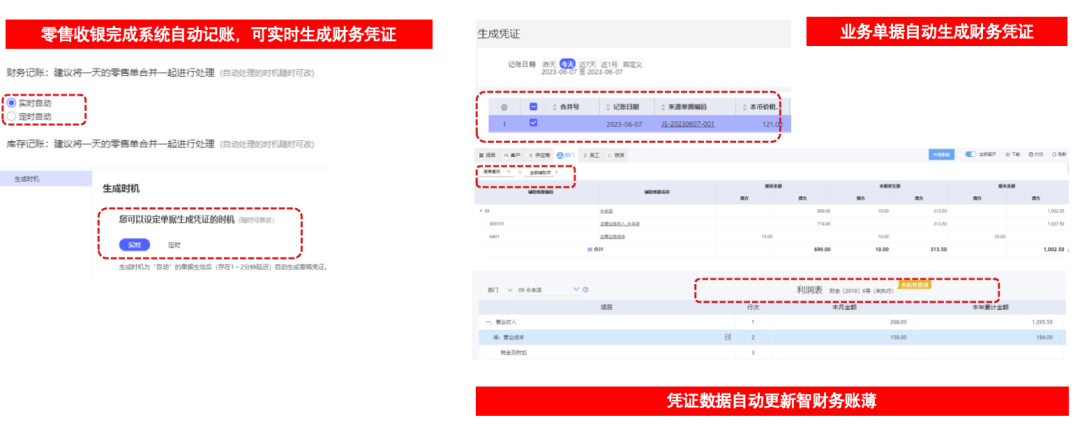
After a shift or daily close, the checkout detail prints for finance. The team queries by store, date, shift, and cashier, then reconciles against settlement and retail statistics. Once a sales slip is confirmed, the intelligent voucher center turns business documents into accounting entries in one click, no more manual posting, and posts revenue and cost automatically by store.

Measurable Results
One Operation Across Three Channels
Retail, wholesale, and online now run on shared data, so inventory and orders are coordinated instead of conflicting. The business spends less to operate and serves customers consistently wherever they buy.
Finance That Finally Ties Out
Manual reconciliation and voucher entry are gone. Finance gets accurate, store-level numbers quickly, freeing the team to analyze rather than recopy.
Lower Labor Cost Per Transaction
With self-service registration, mobile member lookup, and automated vouchers, the same headcount serves more customers and closes the day faster. The cashier idle-time problem eases because staff shift smoothly between floor selling and checkout as demand moves.
Conclusion
By unifying store, membership, delivery, wholesale, and finance on a single retail ERP, the trader turned three disconnected efforts into one efficient operation. For mixed-channel retailers, that integration is what converts scattered activity into measurable margin. Membership and delivery data now feed the same ledger as the shop floor, so promotions are judged on profit rather than just footfall. Membership and delivery data now feed the same ledger as the shop floor, so promotions are judged on profit rather than just footfall.
Related reading
Solving Apparel Wholesale Pain Points with Online Selection and Smart Warehousing
An apparel wholesaler cut order-entry time, reduced churn, and tamed multi-warehouse picking with a cloud ERP. Online selection and attribute cataloging streamlined the flow.
Read guide →Customer Case StudyAustralia Frozen Meat Processor: Accurate Costing for Whole-Chicken Cutting
How a Melbourne frozen-meat processor used ERP barcode, BOM disassembly and batch control to cut receiving time and cost every chicken part precisely.
Read guide →Customer Case StudyHow a Beijing IC Company Achieved Finance–Operations Integration for Precision Management
A Beijing integrated-circuit maker unified purchasing, outsourcing, kit sales, and accounting in one ERP, automating cost allocation and cutting month-end close effort.
Read guide →